
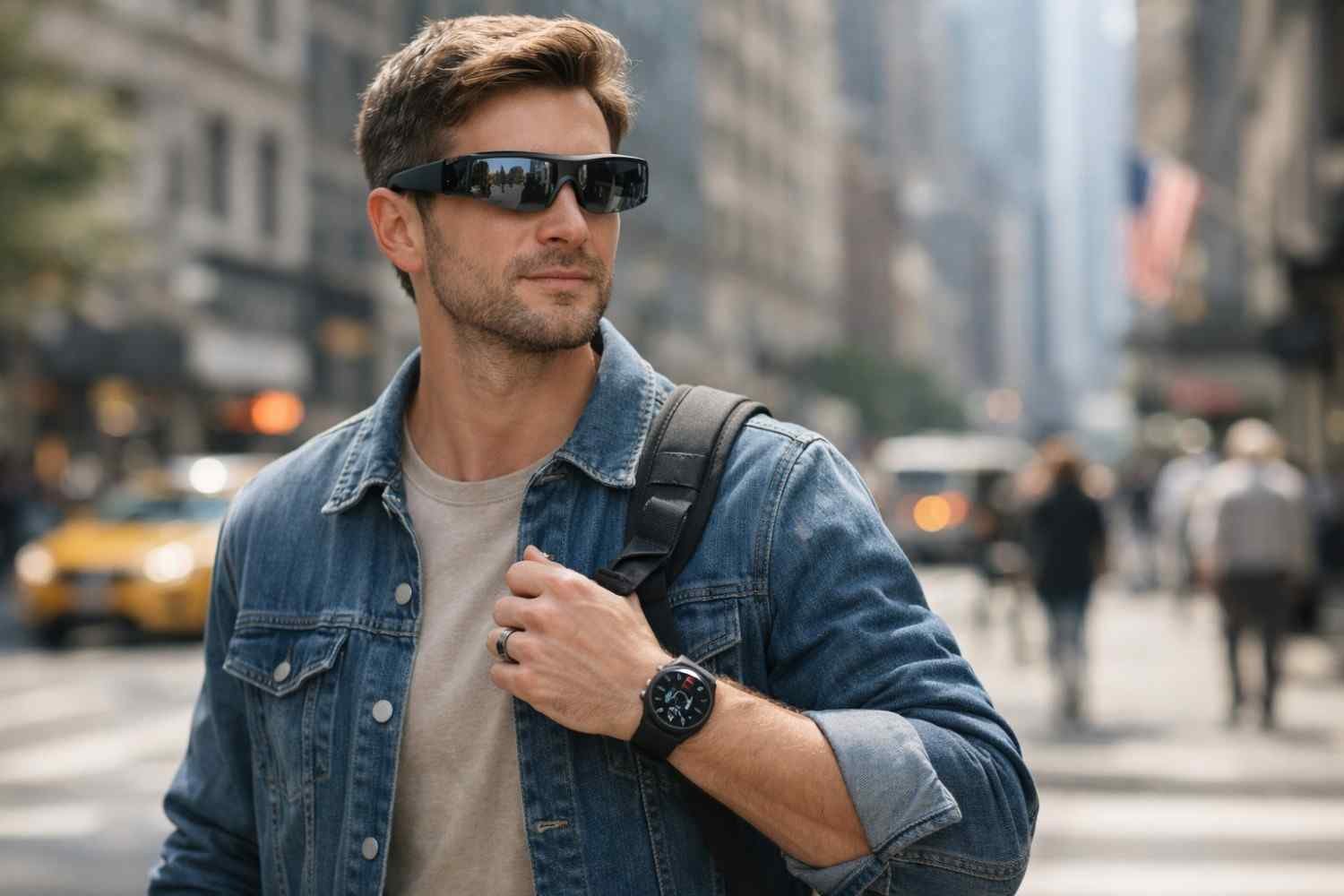
A few years ago, wearable tech felt exciting but a little surface-level. You’d check your steps, maybe glance at your heart rate, and that was about it. It was useful, but it didn’t really change how you lived day to day.
Now, it’s starting to feel different. Wearables are becoming more intuitive, less visible, and far more involved in everyday decisions. They don’t just track anymore, they guide, predict, and sometimes even nudge you before you realize something is off. That shift is exactly what makes the latest wearable technology trends worth paying attention to.
Wearables Are Moving Beyond “One Device Does Everything”
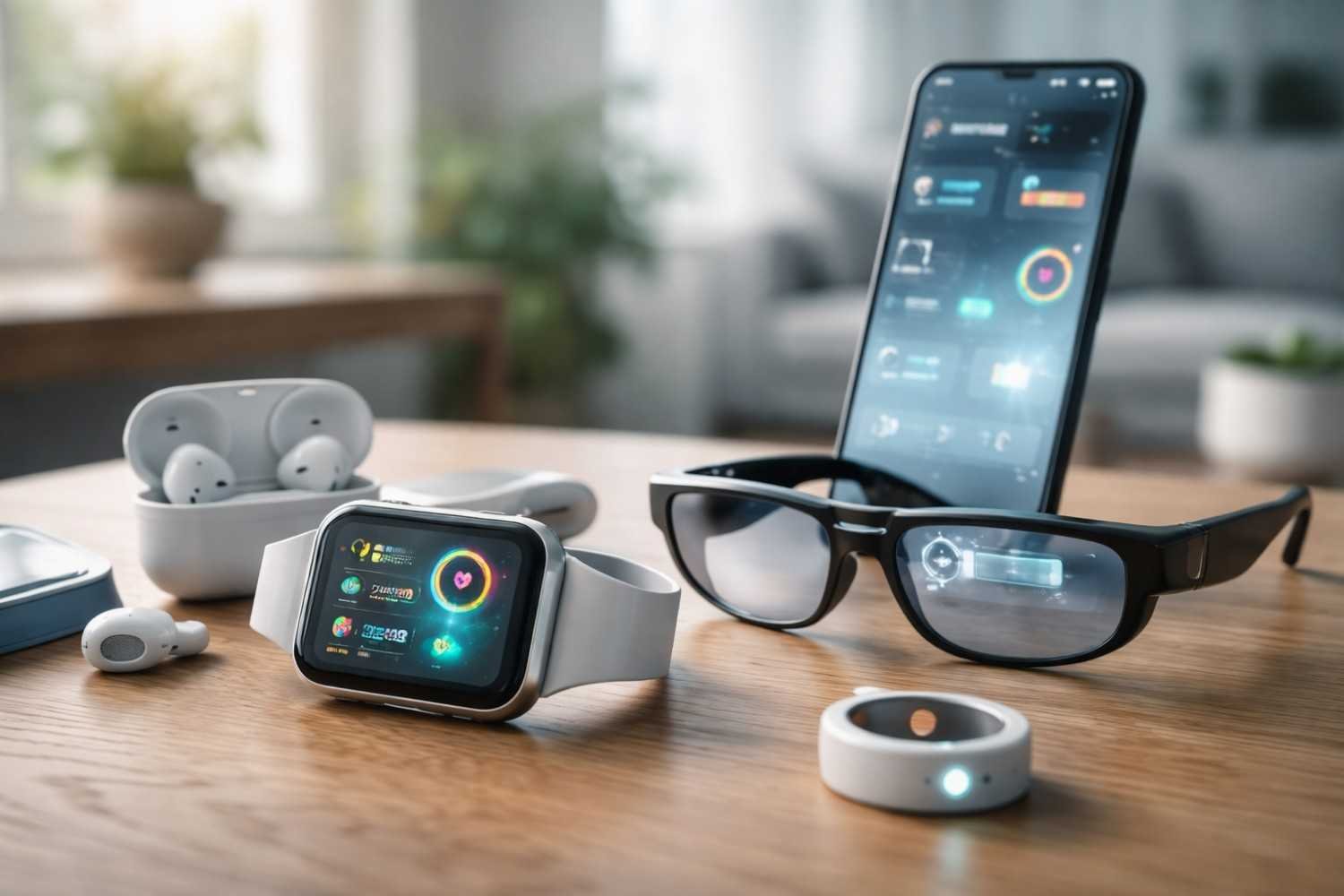
For a long time, the smartwatch dominated the space. It tried to do everything: fitness tracking, notifications, health monitoring, even payments. But in 2026, that all-in-one approach is slowly being replaced.
People are moving toward smaller, more focused wearable devices. Instead of relying on a single gadget, users are combining multiple smart wearables that each serve a clear purpose. It feels less overwhelming and more natural.
This shift is also shaping how people think about smart living with technology. It’s not about adding more screens. It’s about making technology blend into your routine without constantly demanding attention.
Smart Rings Are Becoming Everyday Essentials
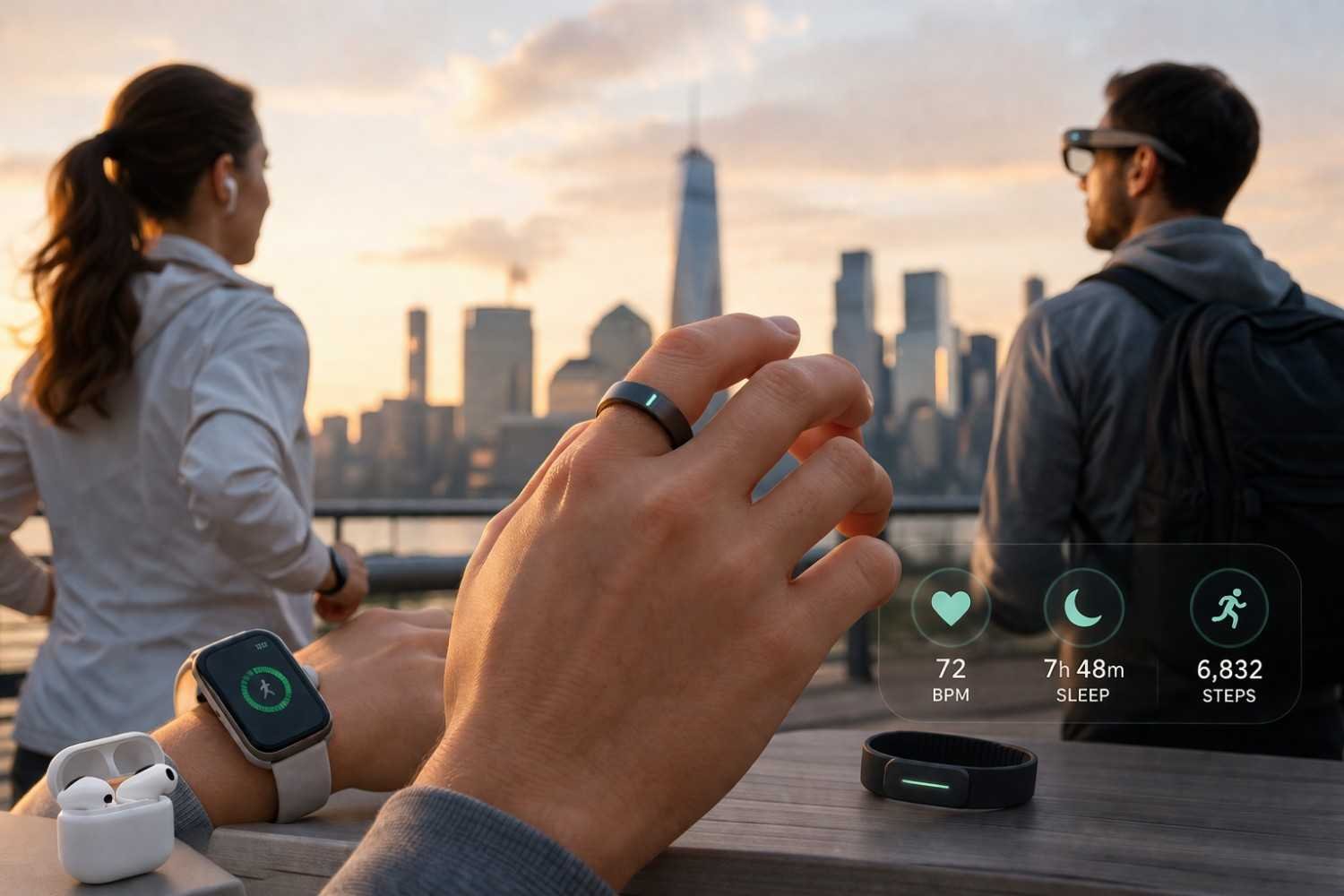
Smart rings are easily one of the most noticeable wearable technology trends right now. They’re subtle, comfortable, and designed for continuous use without feeling intrusive.
Unlike traditional wearable tech devices, rings don’t interrupt your day. You wear them, forget about them, and still get valuable insights.
What makes them stand out is how much they can do despite their size. They now track advanced health metrics like sleep cycles, heart rate variability, and recovery patterns. Some are even moving toward non-invasive tracking of things like glucose trends and blood pressure indicators.
There’s also a practical side to them. You can control devices with small gestures, dismiss calls, or even manage presentations without touching a screen. It reduces screen fatigue and makes interactions feel more natural.
AI Is Turning Wearables Into Digital Health Coaches
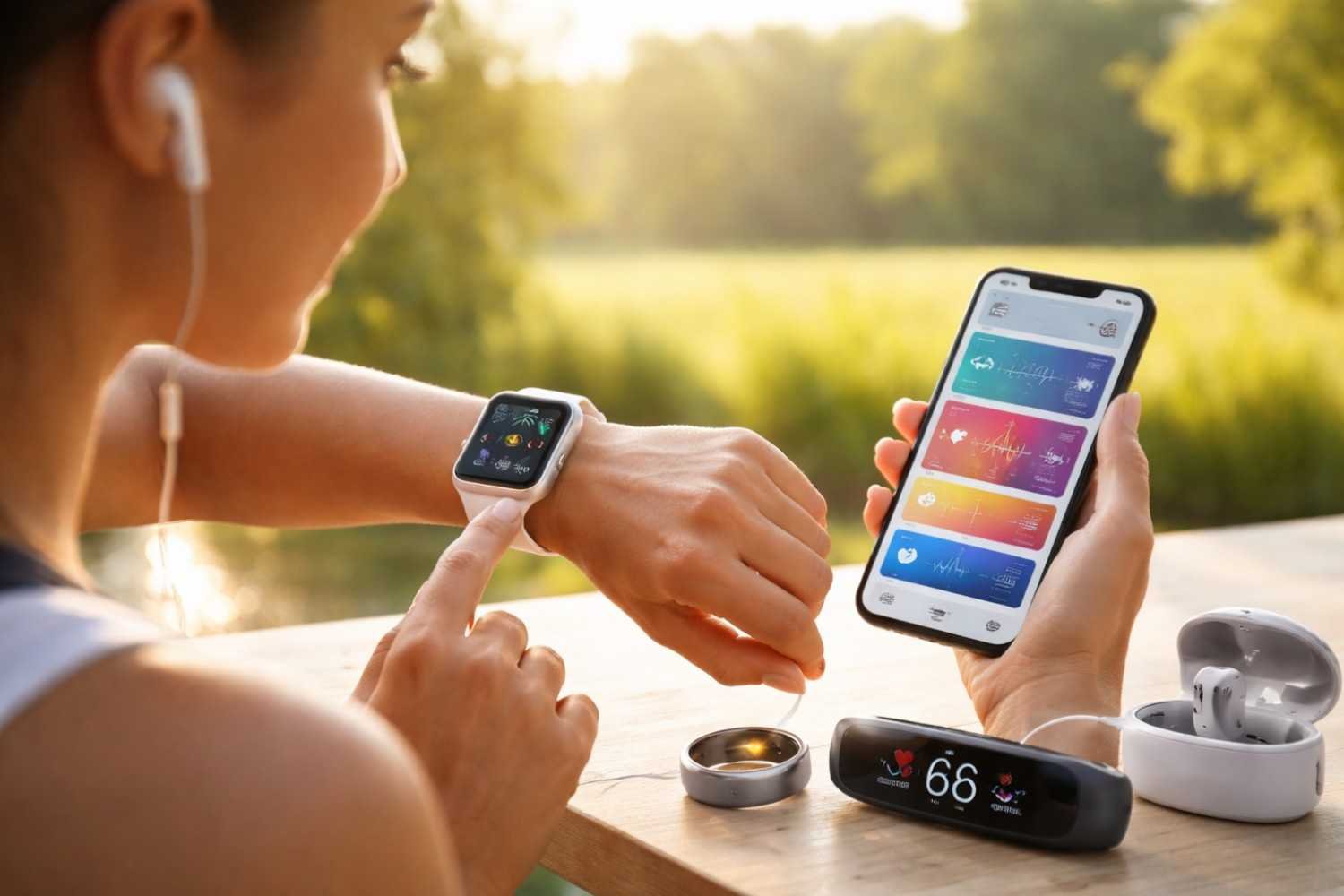
One of the biggest shifts in wearable innovation is how AI is being used. It’s no longer sitting in the background; it’s becoming the main interface.
Instead of just showing data, AI-powered wearables now interpret it and offer real-time suggestions. If your sleep quality drops, you won’t just see a number. You’ll get context on what might have caused it and what to adjust.
Some devices can even detect early patterns that suggest your body is under stress or about to get sick. That predictive layer changes everything. It moves wearable health technology from reactive to proactive.
Another noticeable shift is how interactions are becoming more natural. You can log meals, moods, or activities using voice, and the system adapts recommendations based on that input. It feels less like using a device and more like having a conversation.
At the same time, privacy is becoming a priority. Many wearable devices now process sensitive health data directly on the device instead of sending everything to the cloud.
Hearables Are Doing More Than Just Playing Audio
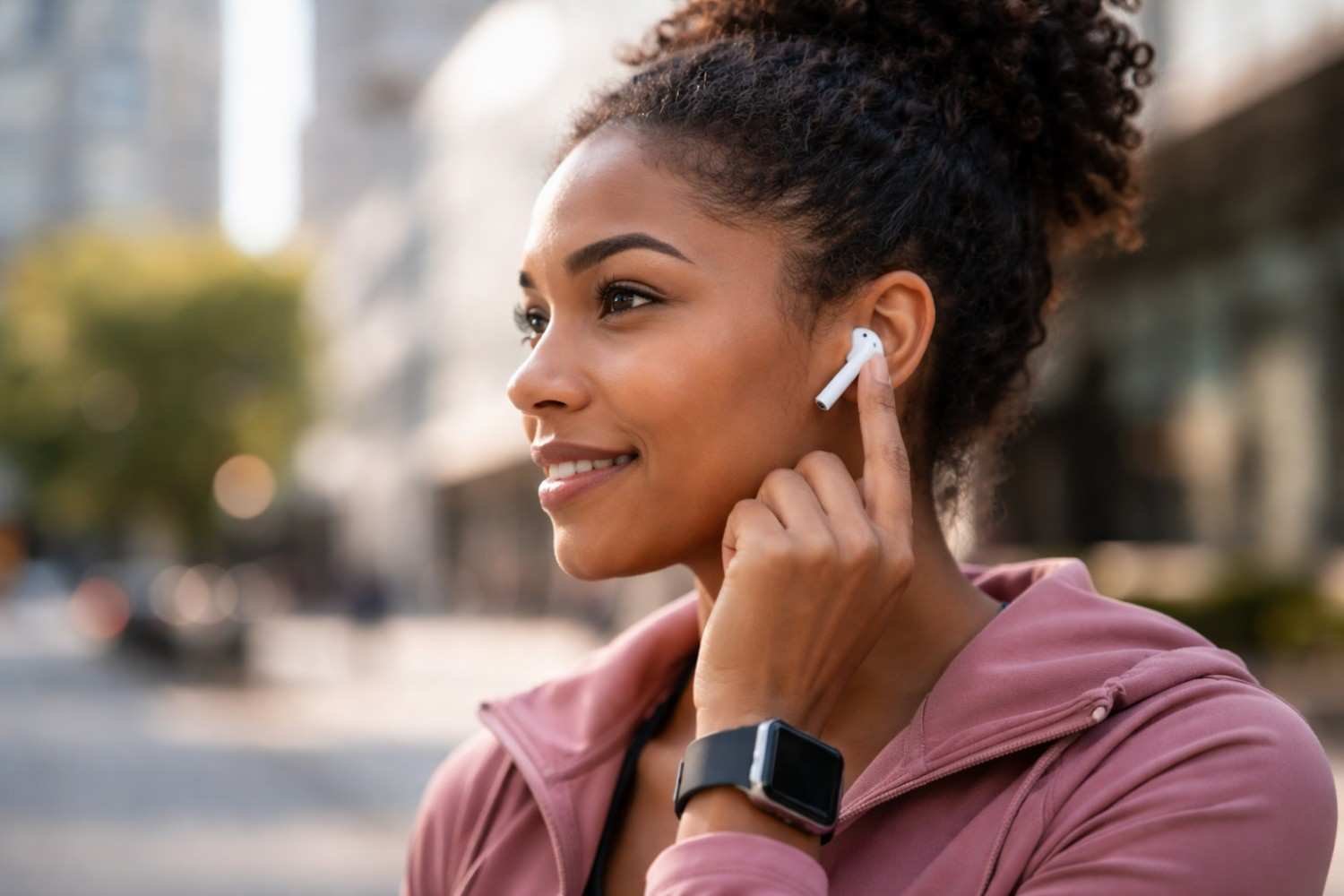
Earbuds have quietly evolved into some of the most advanced wearable tech devices available today. They’re no longer just for music or calls.
Because of their position in the ear, they can capture highly accurate biometric data. This includes heart rate, oxygen levels, and even fatigue indicators. That makes them incredibly useful for both fitness tracking and everyday health monitoring.
There’s also a strong focus on real-time assistance. Features like live translation, voice-controlled AI, and contextual alerts are becoming more common. For example, some hearables can detect signs of fatigue and prompt you to take a break.
It’s interesting how something so small is becoming such a powerful part of the wearable technology market.
Smart Clothing And Body-Based Wearables Are Expanding
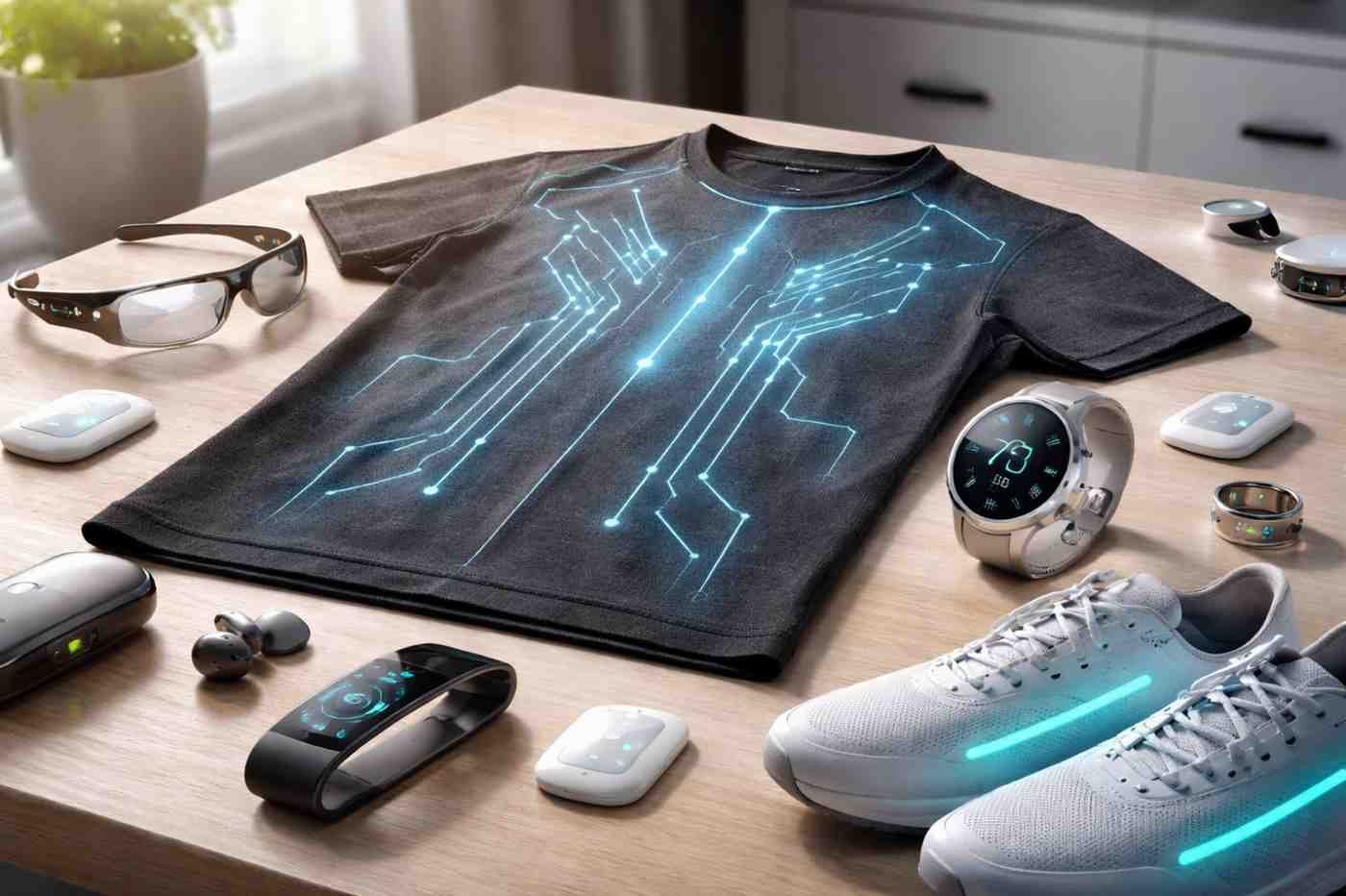
Wearables are no longer limited to accessories. They’re becoming part of what you wear.
Smart clothing is gaining traction, especially with fabrics that respond to environmental conditions. Some garments can adjust to temperature changes, helping you stay comfortable without layering.
There’s also growth in more functional applications. Wearable devices in healthcare now include adhesive biometric patches that monitor specific conditions without requiring bulky equipment. These are especially useful for long-term health tracking.
Exoskeleton technology is another area seeing real progress. These wearable systems assist with movement, helping people with mobility challenges or enhancing physical performance in demanding environments.
It’s a shift from convenience to capability.
What These Trends Actually Mean In Daily Life
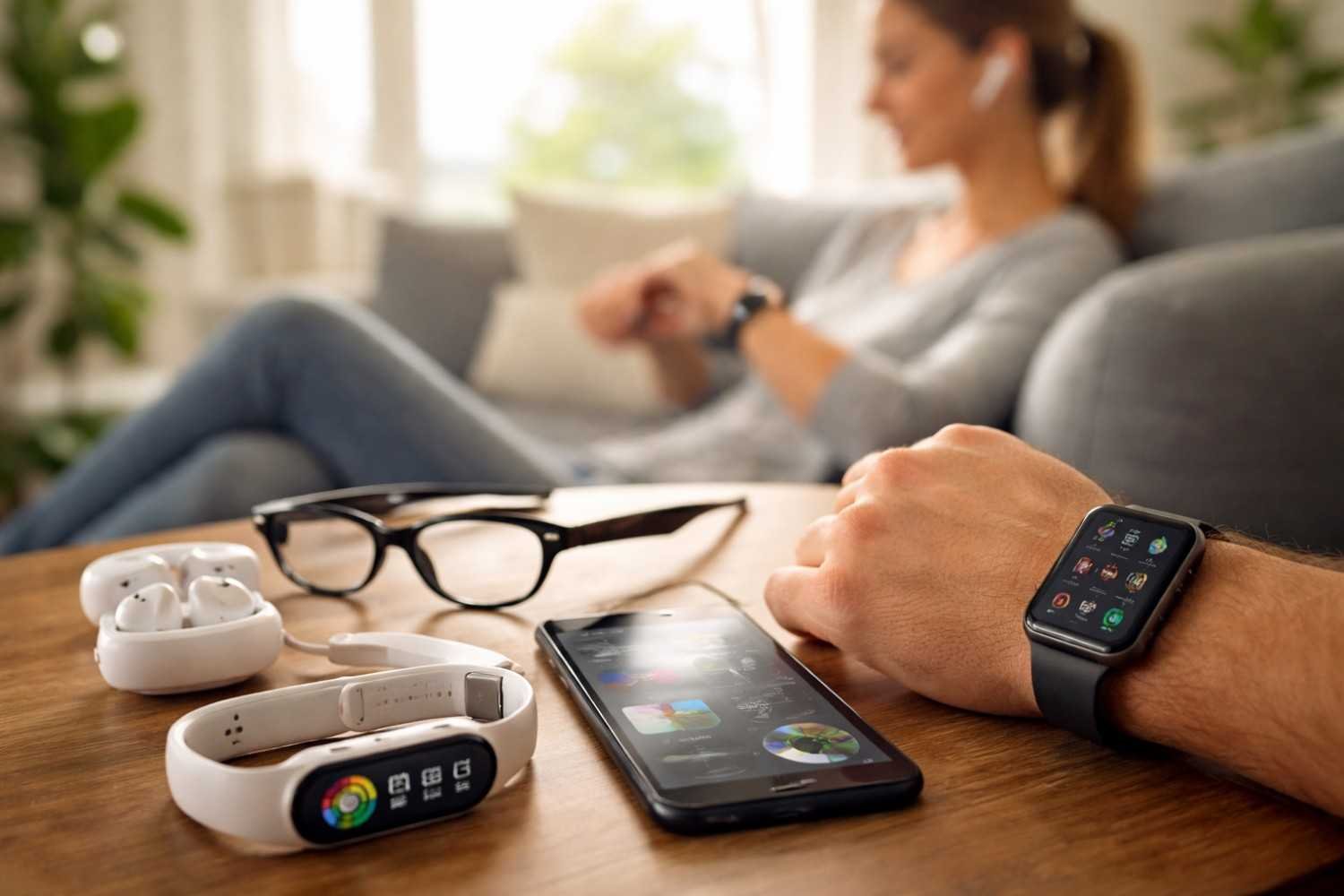
When you step back and look at all these changes together, one thing becomes clear: wearables are becoming less visible and more meaningful.
They’re not trying to grab attention anymore. Instead, they’re designed to quietly support your routines, improve your awareness, and help you make better decisions without overloading you with data.
And that’s probably the biggest shift of all.
FAQs: Top Wearable Technology Trends You’ll Notice Everywhere in 2026
1. What are the most important wearable technology trends in 2026?
The biggest trends include smart rings, AI-powered health coaching, advanced hearables, smart clothing, and longer battery life with independent connectivity.
2. Are wearable devices becoming more accurate for health tracking?
Yes, wearable health technology is becoming more precise, especially with improvements in biometric sensors and AI-driven analysis.
3. How is AI changing wearable technology?
AI is turning wearables into proactive tools that provide personalized insights, predict health issues, and offer real-time recommendations.
4. Can wearable devices work without smartphones now?
Many modern wearable devices support independent connectivity, allowing them to function without being constantly connected to a phone.
Final Thoughts
Wearable technology is no longer about adding more gadgets to your life. It’s about creating a system that works quietly in the background, supporting your health, productivity, and daily habits without constant interaction. The shift toward smaller, smarter, and more focused devices shows that people don’t want more tech; they want better, more meaningful tech.
And if these wearable technology trends continue in the same direction, the future won’t feel more digital it will just feel more seamless.