
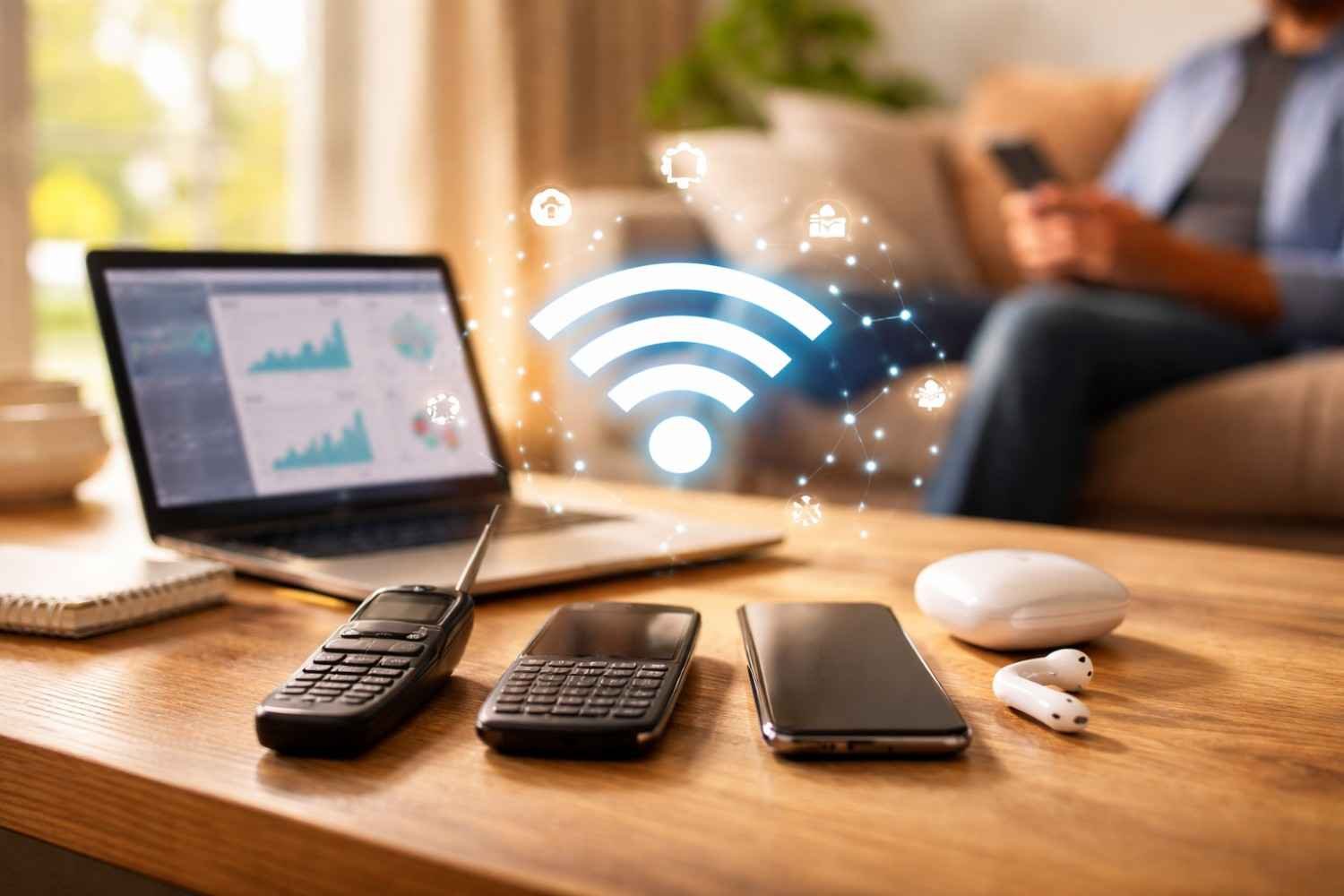
I still remember when making a call meant standing near a window just to get a signal. Calls would drop randomly, and even sending a simple message felt like a luxury. Back then, wireless felt unreliable and limited. It did the job, but barely.
Now, it’s hard to imagine a day without it. From streaming and navigation to smart homes and payments, everything quietly runs on it. The evolution of wireless technology didn’t just improve connection speed; it completely reshaped how people live, work, and interact with the world around them.
How The Evolution Of Wireless Technology Progressed Over Time
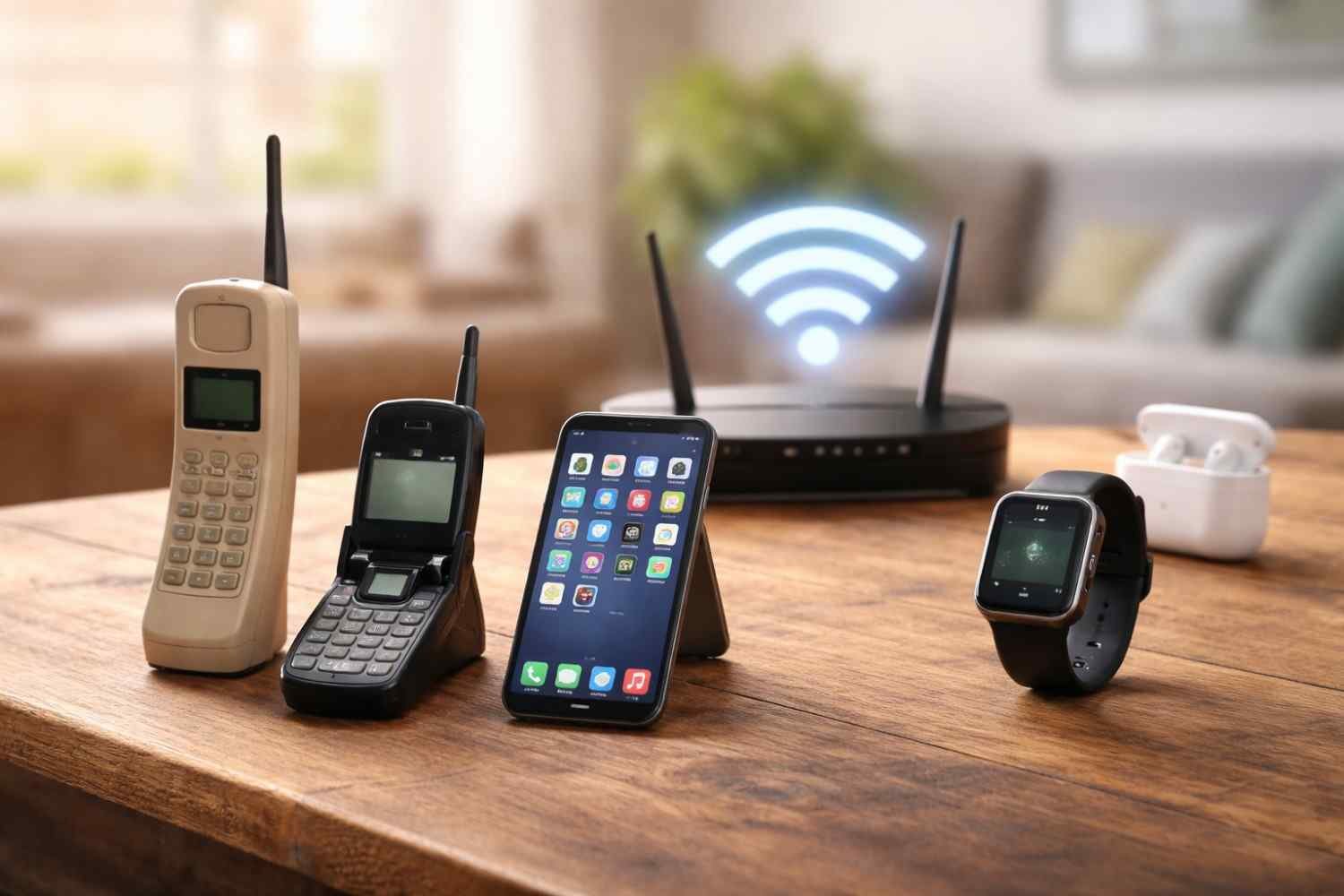
Wireless technology is usually explained in generations, and that’s actually the easiest way to understand how things changed so quickly. Each generation introduced something new that shifted behavior, not just performance.
The Early Shift: 1G To 3G
The first phase was all about making communication mobile.
1G introduced wireless voice calls, but everything was analog. There was no security, no clarity, and no data. It was basic, but it broke the biggest barrier, being tied to a location.
Then came 2G, and things started to feel different. Digital signals improved call quality, but more importantly, SMS entered the picture. Texting became a new way to communicate, and people slowly started relying less on calls.
3G took things further by introducing mobile internet. Emails, browsing, and early apps became possible. This was the moment when phones stopped being just communication tools and started becoming personal devices.
The Real Acceleration: 4G And 5G
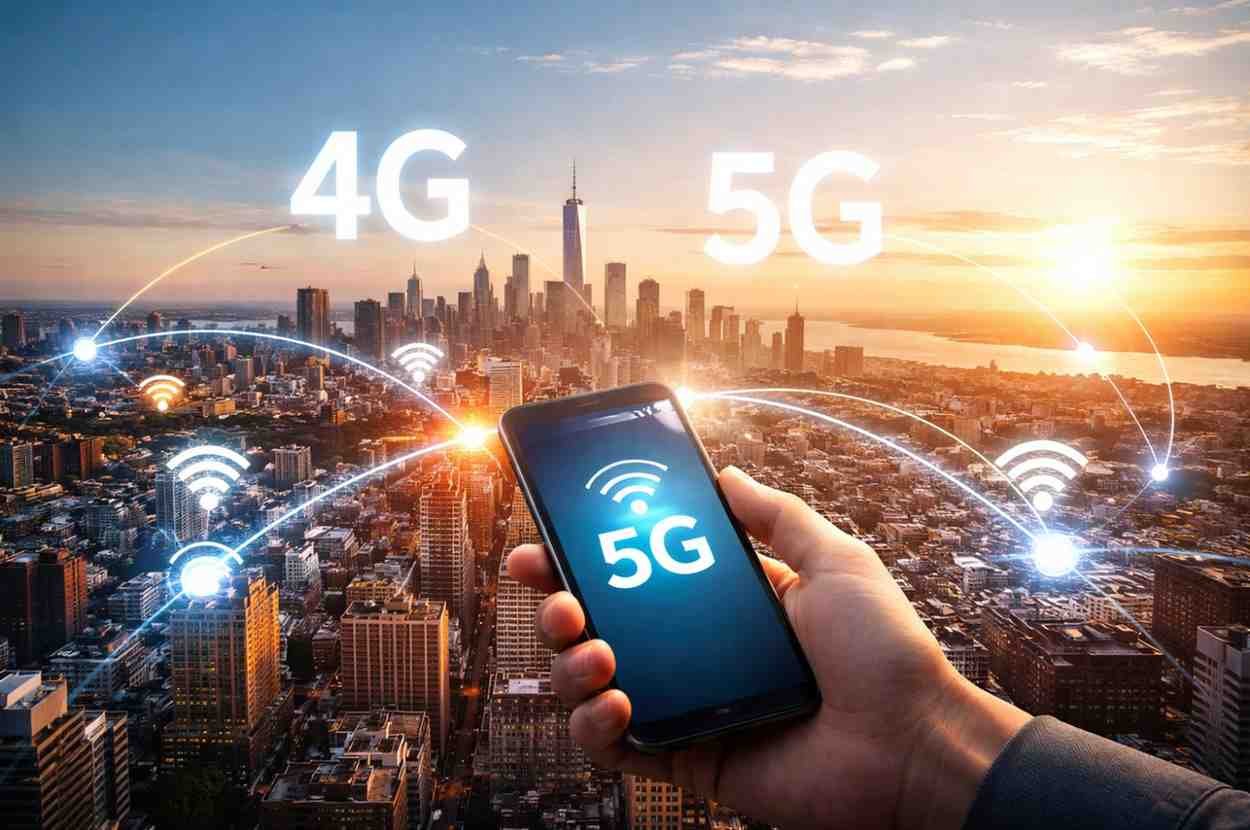
Everything changed once speed caught up with expectations.
4G made high-speed internet accessible on mobile devices. Streaming videos, using ride-sharing apps, and working remotely became normal. The entire app ecosystem grew because networks could finally support it.
5G didn’t just increase speed; it reduced latency and allowed multiple devices to connect seamlessly. This is where things shifted from just using the internet to living in a connected environment.
At this stage, technologies started blending into each other. Smart devices, automation, and wearable technology trends began integrating naturally into daily life instead of feeling like separate innovations.
What Comes Next: The Direction Of 6G
Even though 6G is still developing, the expectations already show how far things have come. It’s not just about faster speeds anymore.
The focus is on:
- Real-time responsiveness
- AI-driven networks
- Seamless integration between digital and physical environments
Wireless is no longer just a tool; it’s becoming an invisible layer that supports everything around us.
The Biggest Shift People Often Miss
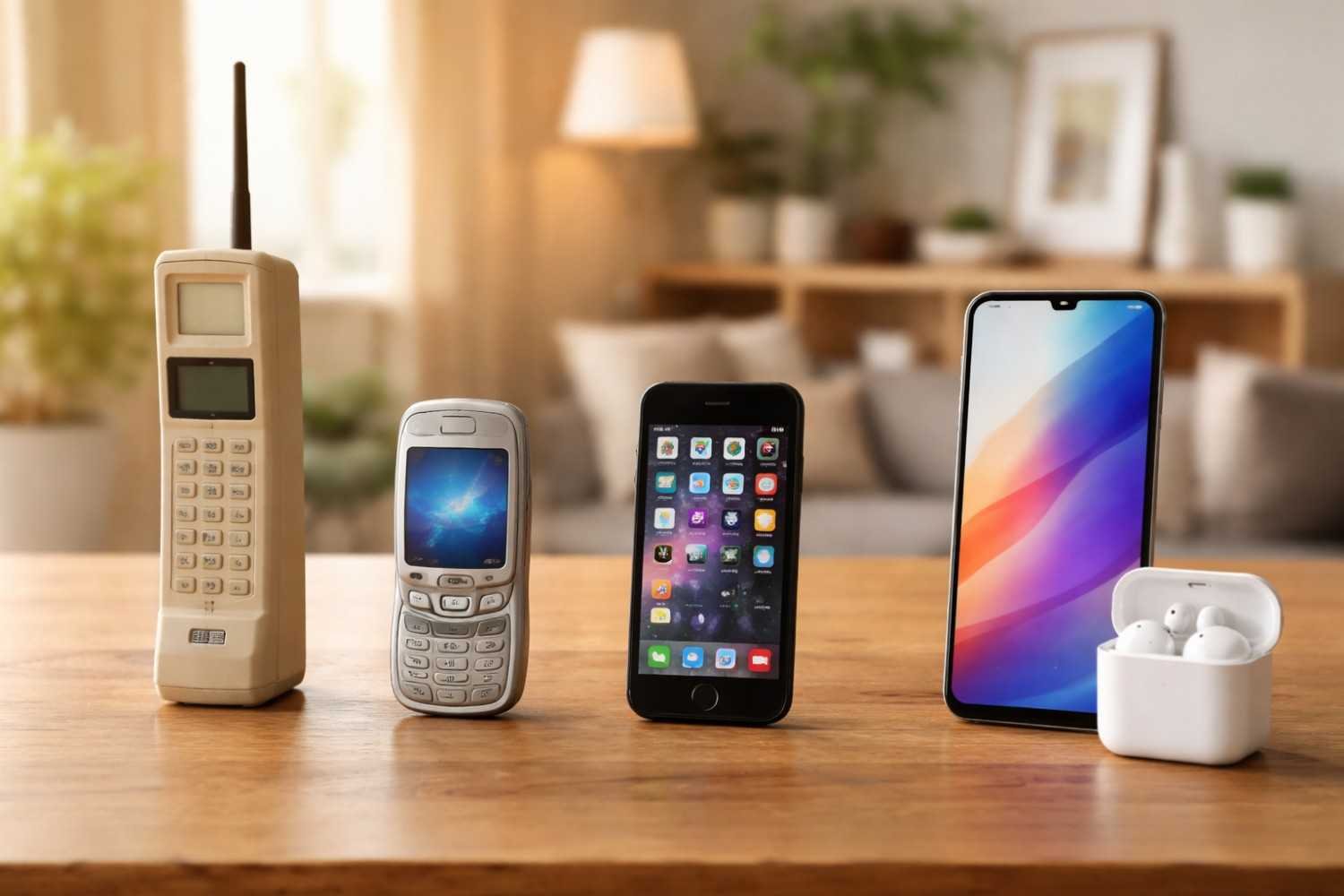
Most discussions focus on speed, but that’s only part of the story. The real change is how wireless moved from connecting devices to shaping entire environments.
In the early days, you had to go somewhere to connect. Now, connectivity follows you everywhere. And more importantly, it works in the background without needing constant interaction.
Your phone updates apps automatically. Your car adjusts routes in real time. Your home devices sync without manual input. This shift from manual control to passive connectivity is where wireless truly changed daily life.
The Quiet Role Of Wi-Fi In This Evolution
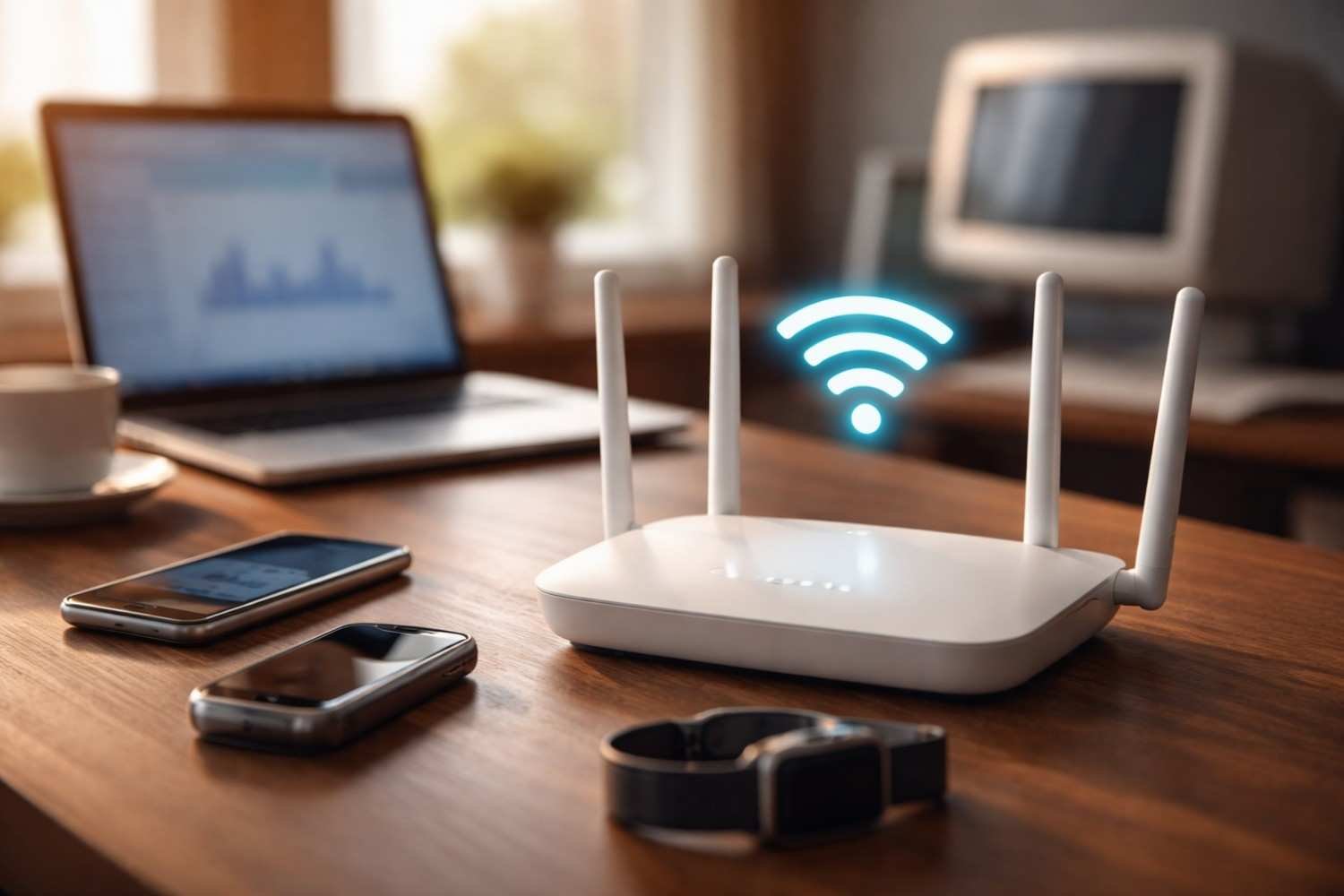
While cellular networks get most of the attention, Wi-Fi has been evolving just as rapidly behind the scenes.
Wi-Fi 5 improved speed and made streaming reliable. Wi-Fi 6 focuses on handling multiple devices at once without slowing down. Now, Wi-Fi 7 is pushing toward extremely low latency and higher throughput.
This matters because modern environments aren’t built around one or two devices anymore. Homes, offices, and public spaces all rely on multiple connected systems working simultaneously. Without Wi-Fi evolving alongside cellular networks, that ecosystem would struggle to function.
How Wireless Changed Everyday Behavior

The evolution of wireless technology didn’t just improve systems it changed habits in ways people didn’t fully notice.
Communication Became Instant
People moved from scheduled communication to continuous communication. Messages, calls, and updates now happen in real time, and delays feel unusual.
Work Became Flexible
Work is no longer tied to a physical office. Video calls, cloud platforms, and collaboration tools rely heavily on stable wireless networks, making flexible work possible.
Everything Became On-Demand
From entertainment to transportation, people expect immediate access. Streaming platforms, delivery services, and real-time tracking all depend on consistent connectivity.
Devices Became Connected Systems
Instead of working independently, devices now communicate with each other. This created an ecosystem where actions are automated, and systems respond without manual input.
Why This Evolution Feels So Fast
The reason the evolution of wireless technology feels so rapid is that each generation builds directly on the previous one. There’s no reset, only continuous improvement.
At the same time, adoption happens quickly. As soon as a new capability becomes available, it gets integrated into services people already use. That’s why changes feel immediate, even though they’ve been developing for years.
FAQs: How Fast Things Changed: The Evolution Of Wireless Technology Explained Clearly
1. How many generations of wireless technology are there?
There are five widely used generations 1G through 5G. Each introduced major changes, from basic voice calls to high-speed, low-latency connectivity. 6G is currently in development.
2. What made 4G such a major turning point?
4G enabled high-speed internet on mobile devices, which allowed streaming, app ecosystems, and remote work tools to grow rapidly.
3. How is 5G different from previous generations?
5G focuses on low latency and the ability to connect many devices at once. It supports technologies like smart systems, automation, and real-time data processing.
4. What can we expect from 6G?
6G is expected to bring extremely high speeds, AI-driven networks, and deeper integration between digital systems and physical environments.
Final Thoughts
Looking back, the shift feels bigger than just better connectivity. The evolution of wireless technology quietly redefined how people interact with the world. It removed limitations, made systems more responsive, and turned everyday environments into connected spaces. What once felt like innovation now feels like a basic expectation.
And the pace isn’t slowing down. If anything, the next phase will feel even more seamless, almost invisible.