
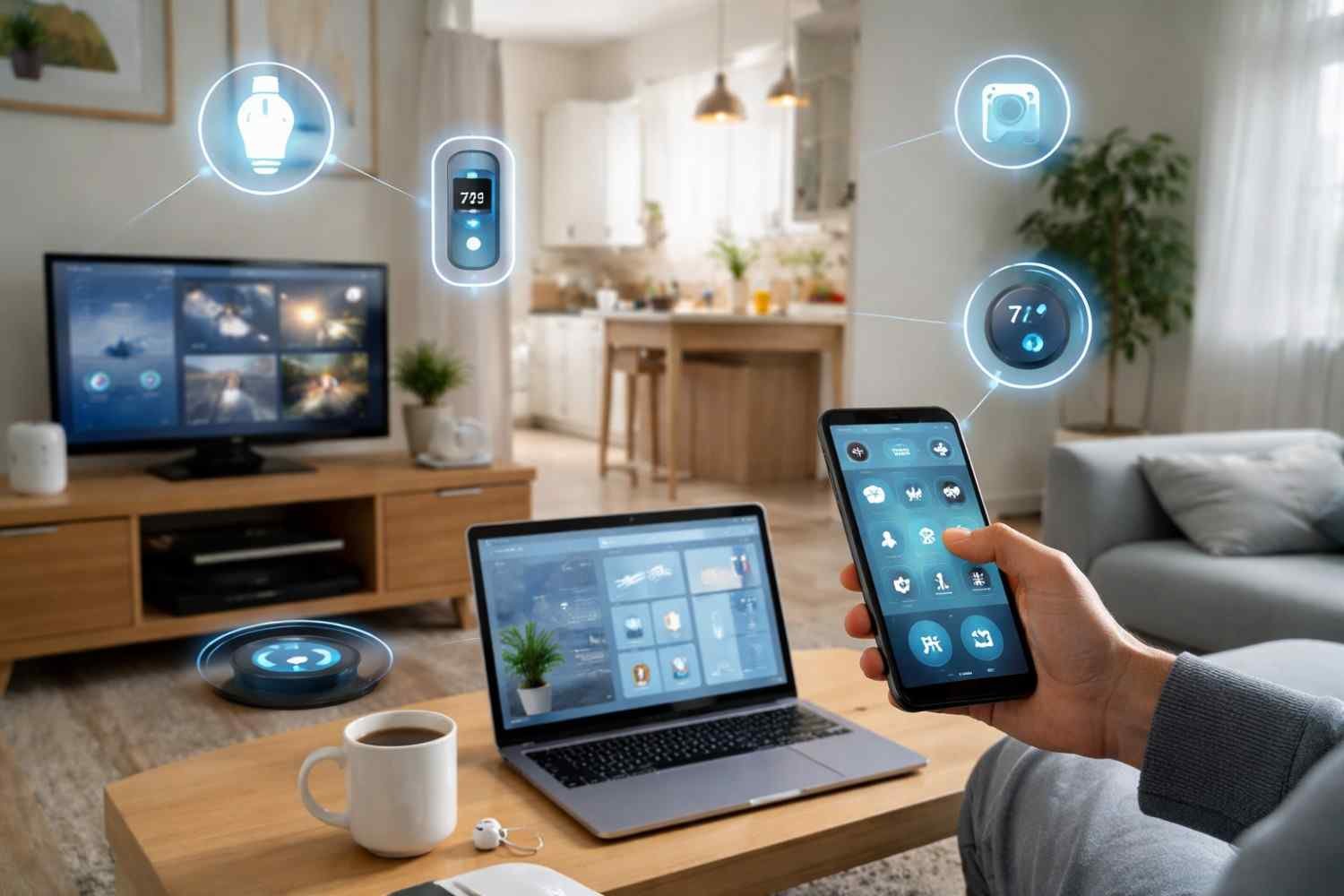
I didn’t realize how much mental space small tasks were taking up until I stopped doing them manually. Turning off lights, adjusting the temperature, checking if the door was locked, it all felt normal until it wasn’t. Once a few of these things became automatic, daily life felt lighter, almost quieter.
That’s really what smart living with technology comes down to. Not a futuristic setup or a house full of complicated devices, but small, intentional changes that remove friction from everyday life. You don’t need to overhaul everything. You just need to start where it matters.
What Smart Living With Technology Actually Looks Like
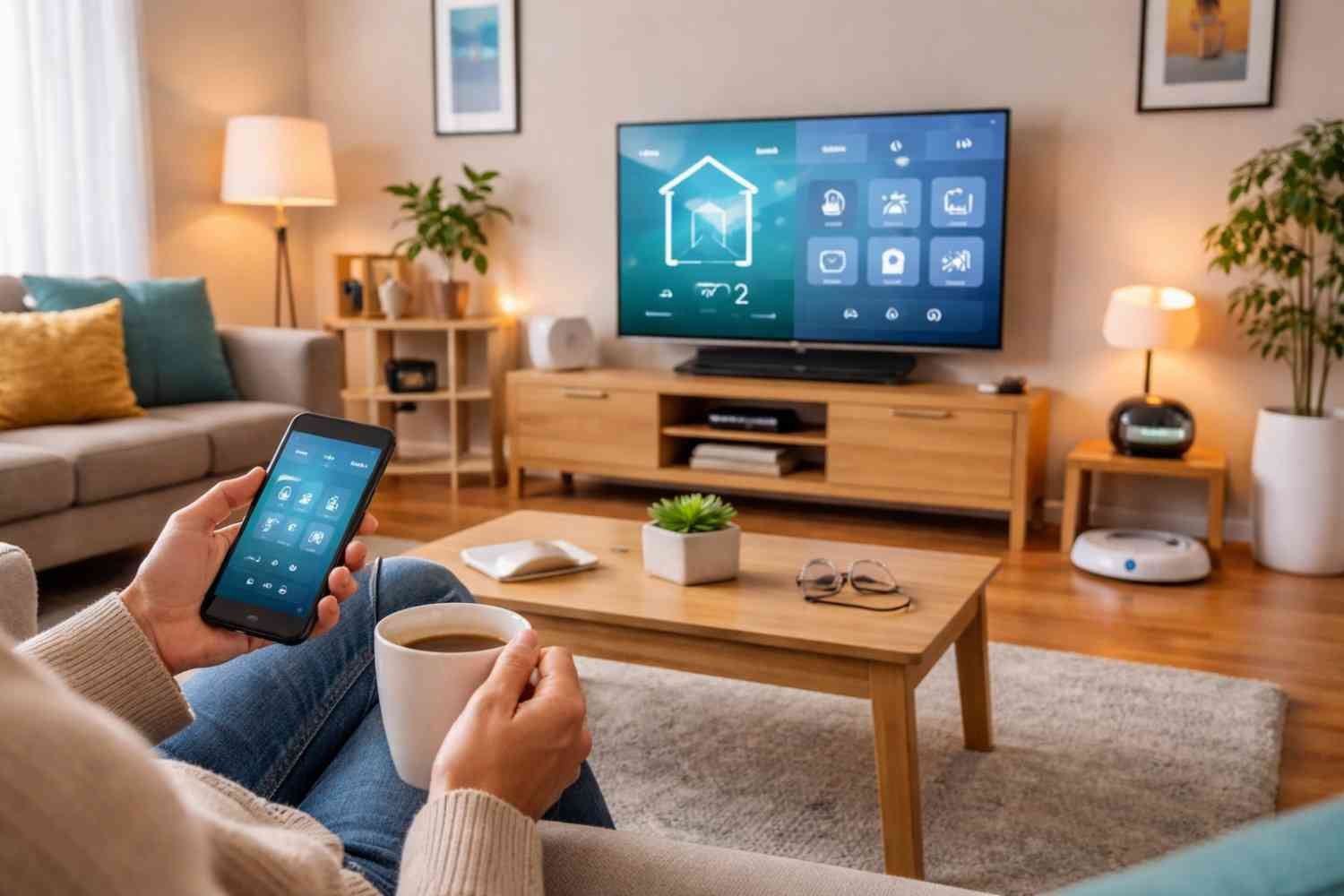
Most people assume it’s about expensive gadgets or fully automated homes. In reality, it’s about creating a system where your environment quietly works around you. A connected home doesn’t just respond, it anticipates.
Think about walking into a room where the lights adjust automatically, the temperature feels right, and your favorite playlist starts without you touching anything. That’s not complexity. That’s convenience done right.
The shift is subtle. You’re not doing more with technology; you’re doing less because of it.
Start By Automating the “Forgettables”
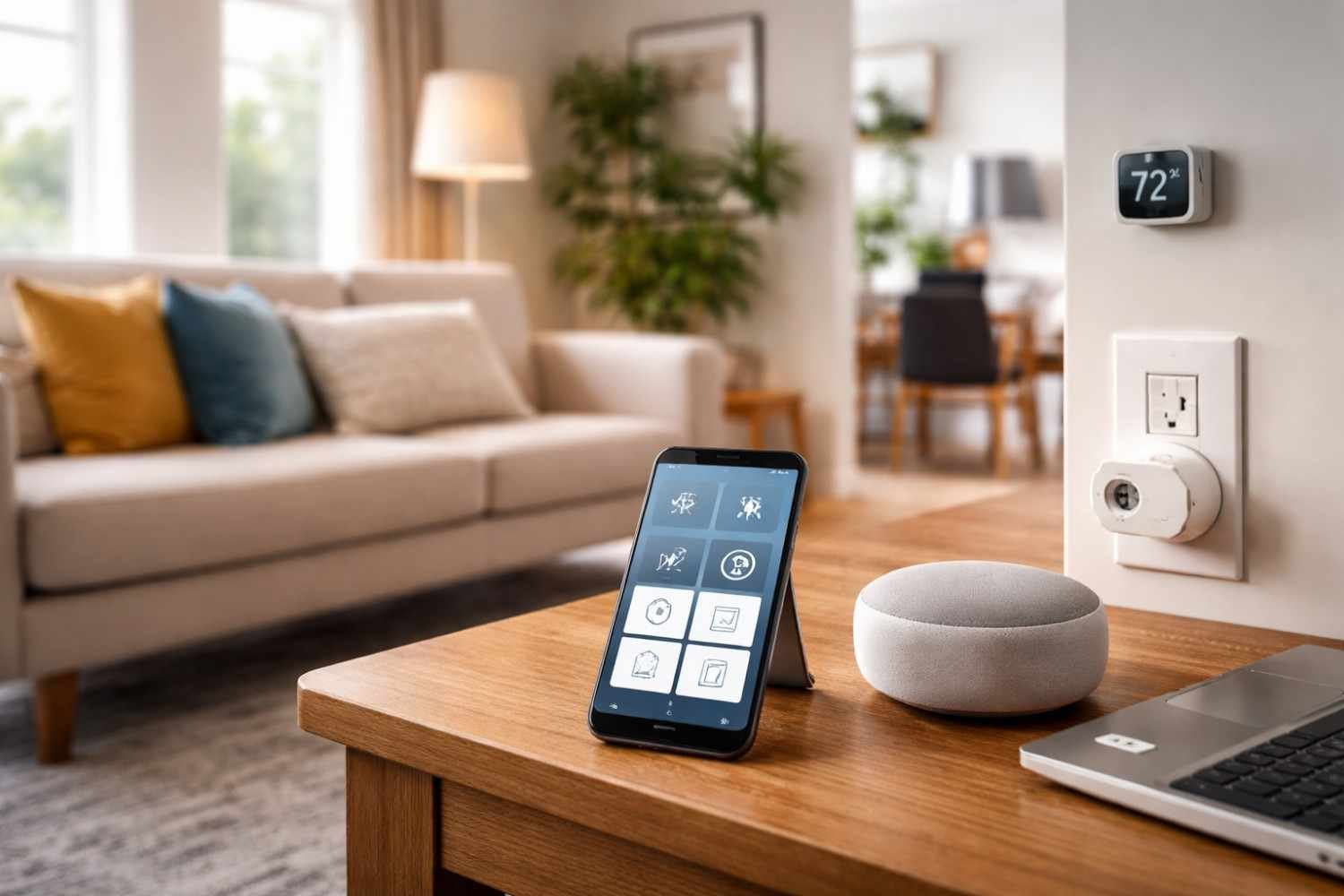
This is where smart living becomes instantly practical. The things you forget are usually the things that drain your attention the most.
Smart lighting and thermostats are the easiest entry point into a smart home setup. You set them once, and they take over.
- Lights dim as your evening routine begins
- Devices turn off when you leave
- Temperature adjusts based on your habits
A smart thermostat learns your schedule over time. You don’t keep tweaking it. It just works. That’s the real win, removing decisions you shouldn’t have to make repeatedly.
Let Technology Handle Repetitive Chores
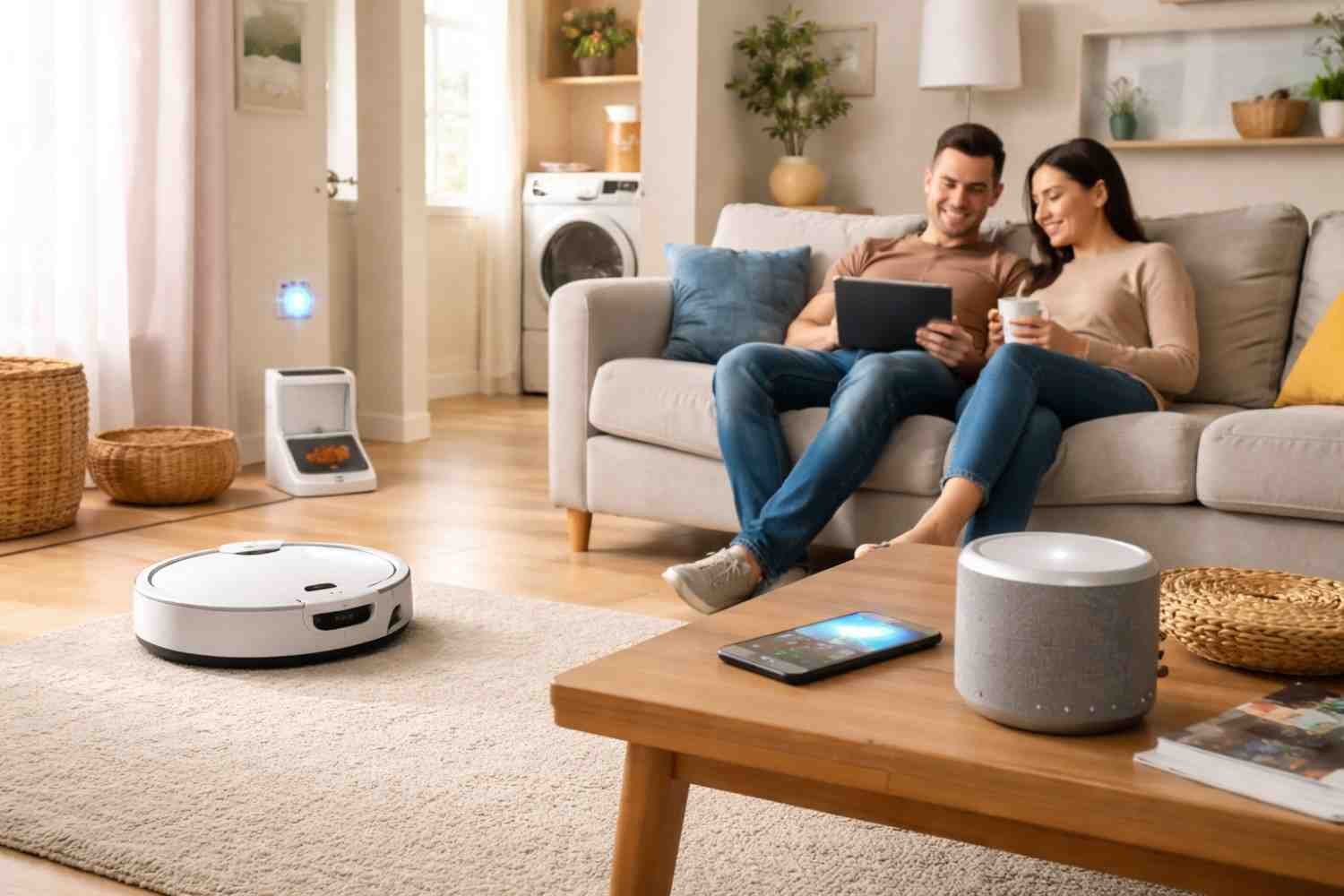
There’s a difference between being busy and being stuck doing the same things over and over again. This is where automation actually gives you time back.
Robot vacuums are a simple example, but the impact is noticeable. You leave for the day, and your floors are clean when you return. No effort, no thought.
Then there are smarter appliances. Refrigerators that track expiration dates or suggest meals based on what’s inside may sound excessive, but they solve real problems: food waste and daily decision fatigue.
These are not luxury upgrades. They’re practical improvements to how your home functions.
Create One Central Control Point
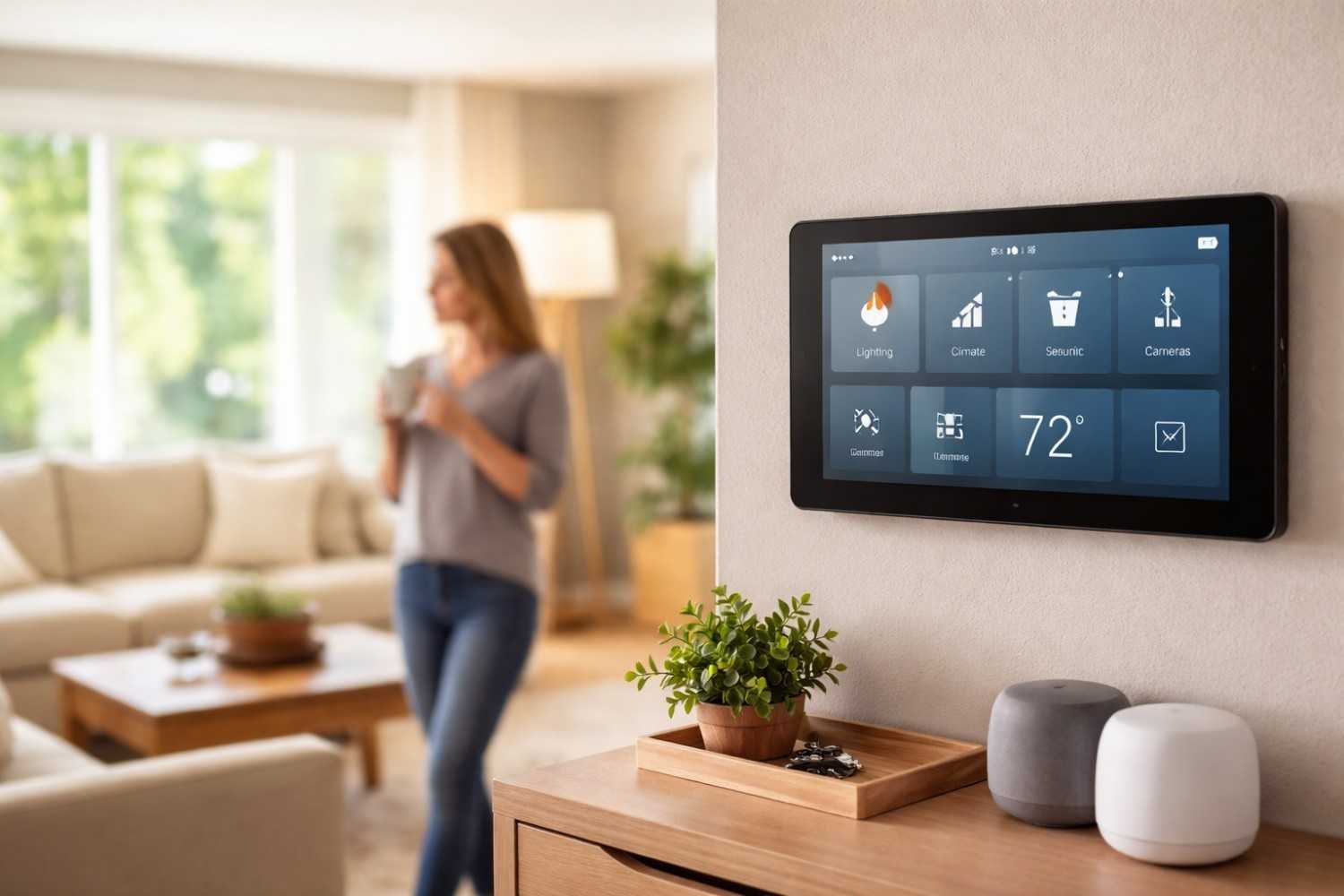
One mistake people make is adding multiple devices without connecting them. That’s when things start feeling complicated instead of helpful.
A central hub fixes that.
Platforms like voice assistants or a unified dashboard allow you to control everything in one place. You don’t need ten apps. You need one system that brings everything together.
A simple voice command can:
- Start your morning routine
- Adjust lighting and temperature
- Play news or music
- Lock or check doors
It feels small, but it changes how you interact with your home. You stop managing devices and start managing outcomes.
Smart Living Also Means Better Awareness
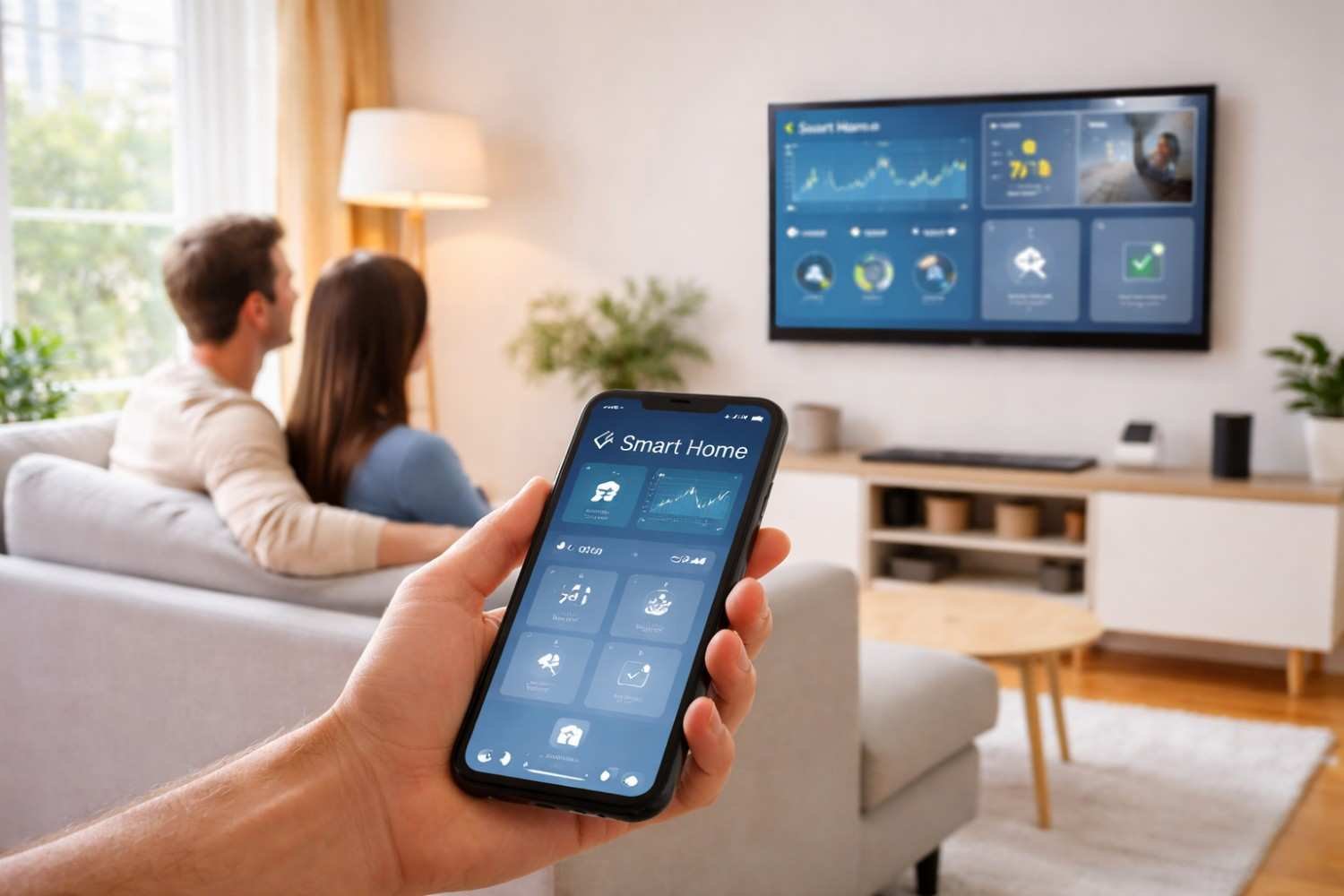
Smart living isn’t just about convenience. It’s also about understanding your habits.
Wearables and connected devices give you insight into things you usually ignore, such as sleep quality, movement, hydration, and even stress levels. That awareness changes behavior naturally.
You don’t need to guess if you’re sleeping well. You know.
>You don’t forget to hydrate. You’re reminded.
This is where smart living starts connecting with the future of data intelligence, where everyday data quietly shapes better decisions without overwhelming you.
Energy Efficiency Without Trying Too Hard
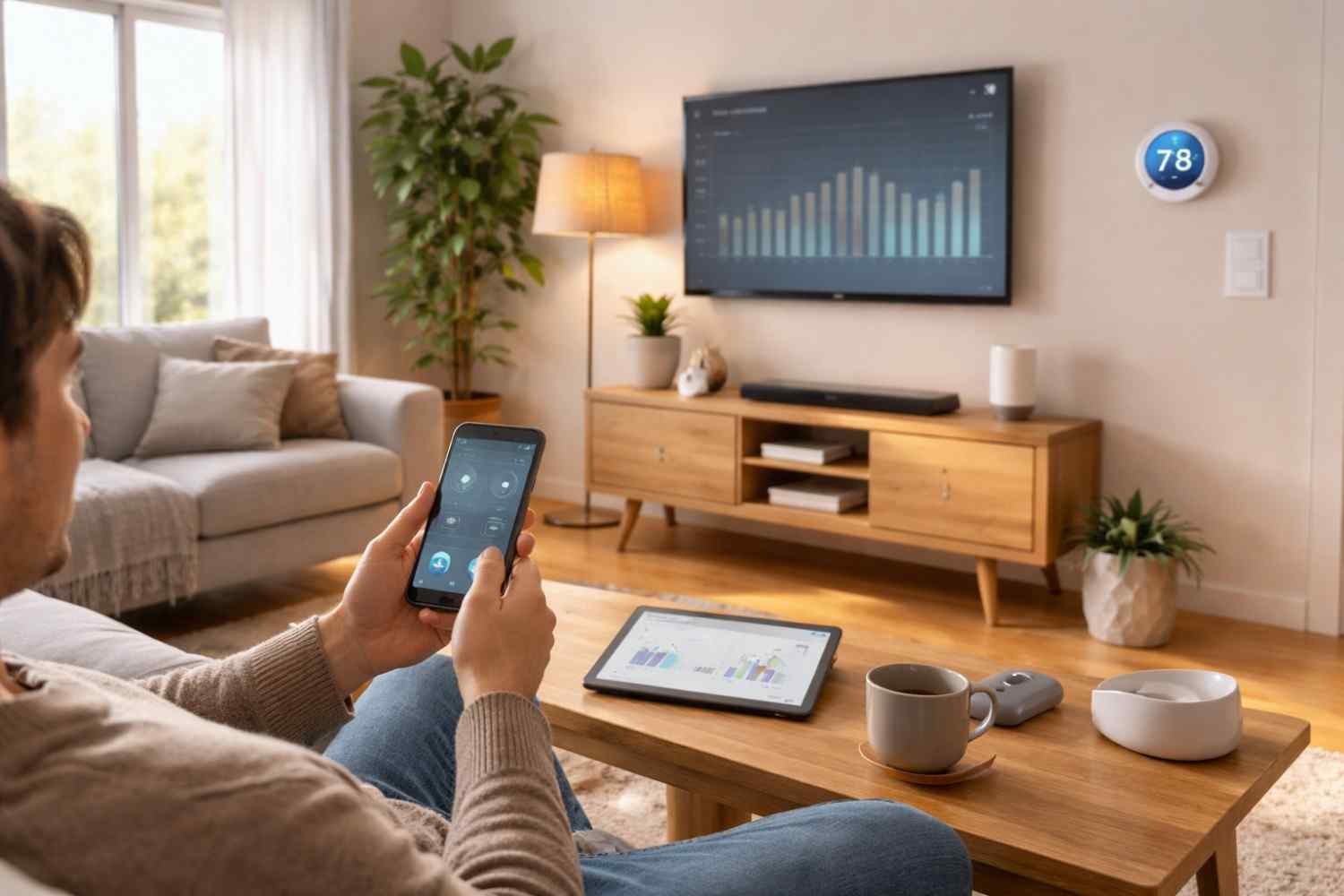
One of the biggest advantages of smart home technology is something people often overlook: efficiency.
When your home adjusts lighting, heating, and cooling automatically, you stop wasting energy without actively trying to “save” it. It happens in the background.
Over time, that translates into:
- Lower utility bills
- Reduced energy consumption
- A more sustainable way of living
And the best part? You don’t have to think about it daily.
Why Most People Overcomplicate Smart Living
A lot of people hesitate because they think they need everything at once: a full home automation system, expensive devices, and technical knowledge.
That’s not true.
Smart living works best when it’s built gradually. Start with one problem:
- Forgetting to turn off the lights
- Worrying about home security
- Managing daily routines
Solve that first. Then expand.
Trying to do everything at once usually leads to frustration. Keeping it simple leads to consistency.
How To Start Without Feeling Overwhelmed
If you’re just getting into smart living with technology, keep it practical.
- Start with one room or one use case
- Choose devices that integrate easily
- Focus on daily convenience, not novelty
- Build routines slowly
The goal is not to create a “smart home.” The goal is to create a home that feels easier to live in.
Frequently Asked Questions: Smart Living With Technology Is Easier Than You Think- Here’s How
1. What is smart living with technology in simple terms?
It means using connected devices and automation to simplify daily tasks, improve comfort, and reduce manual effort in your everyday life.
2. Do I need a full smart home setup to get started?
No. You can start with one or two devices, like smart lights or a thermostat, and expand gradually based on your needs.
3. Is smart home technology expensive to maintain?
Initial costs vary, but many devices help reduce energy usage and save money over time, making them cost-effective in the long run.
4. Are smart devices difficult to use for beginners?
Most modern smart devices are designed to be user-friendly, with simple apps and voice controls that make setup and use easy.
Final Thoughts
Smart living with technology isn’t about turning your home into something futuristic. It’s about removing small, constant frictions from your day. The kind you don’t notice until they’re gone. When your environment starts working with you instead of demanding attention, everything feels a bit more manageable.
Start small, stay consistent, and let your setup evolve naturally. That’s where the real value shows up.