
There was a time when upgrading your phone felt exciting for a very specific reason: everything got noticeably better. The camera improved, apps ran faster, and battery life stretched a little longer. But over time, those upgrades started feeling repetitive. The changes were there, just not meaningful enough to change how you actually used your phone.
That’s where things are shifting now. The future of smartphones isn’t about adding more features; it’s about changing the role your phone plays in your life. Instead of being something you constantly interact with, it’s slowly turning into something that works quietly in the background, making decisions and handling tasks before you even think about them.
Smartphones Are Becoming Personal Assistants, Not Just Devices
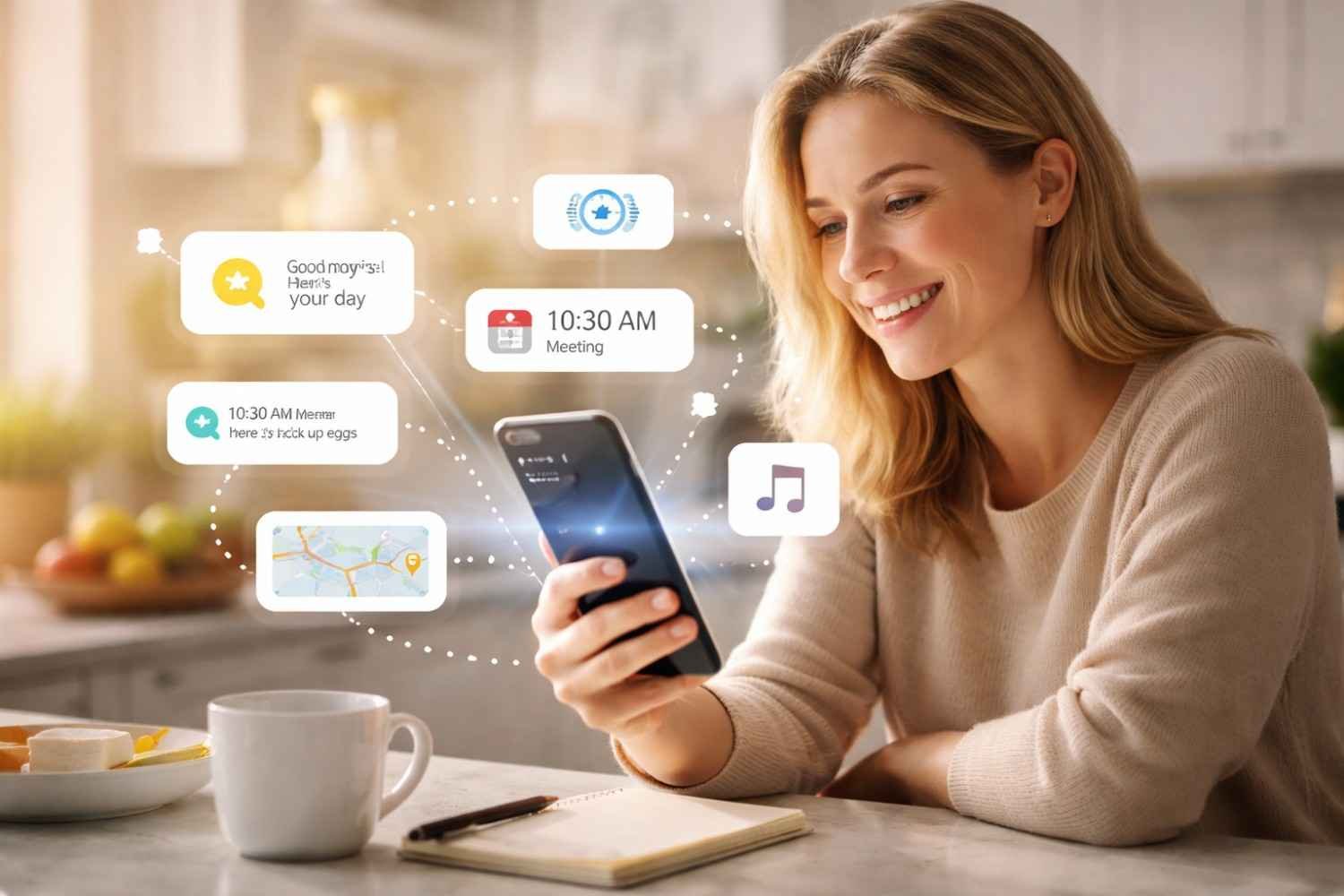
Right now, using a smartphone is still a manual process. You open apps, check notifications, respond to messages, and manage your day step by step.
That behavior is starting to change.
In the next five years, smartphones will evolve into what feels like a built-in personal assistant. Instead of reacting to your actions, they’ll start anticipating them. Your phone might silence notifications before a meeting, highlight important messages automatically, or organize your day based on patterns it has already learned.
This shift is being driven by AI in smartphones, but not in the way most people imagine. It’s not about flashy features. It’s about subtle automation powered by on-device intelligence.
This is where the idea of smart living with technology starts to feel real, not because you’re using more tools, but because you’re doing less work.
AI Will Move From Feature to Foundation
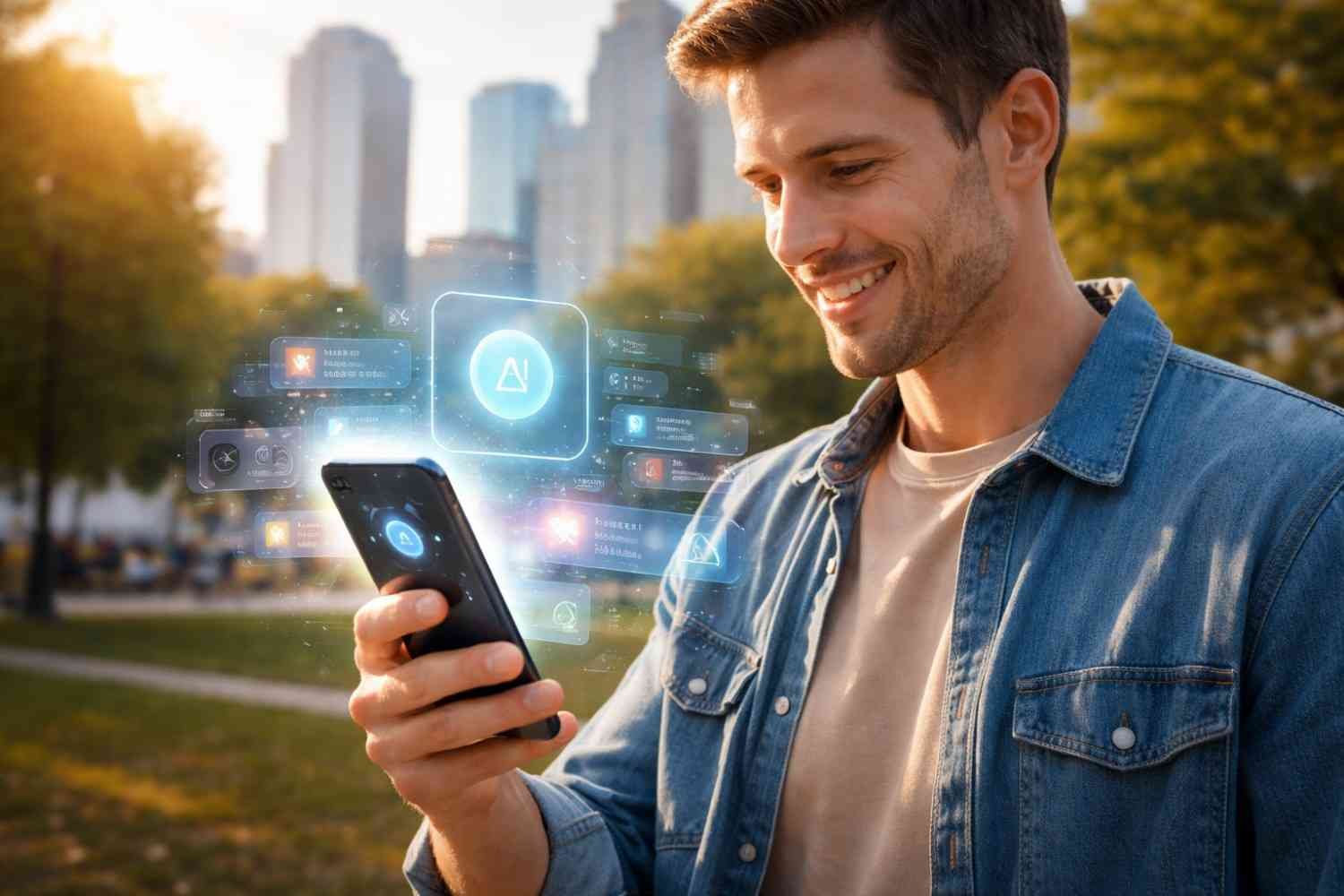
Most current smartphones treat AI like an add-on. You see it in cameras, voice assistants, or small automation features.
That won’t be the case going forward.
AI will become the core layer of the entire experience. Instead of opening multiple apps to complete a task, your phone will handle it in one flow. Planning, scheduling, and organizing all of it will happen with minimal input from you.
This is where agent-like behavior comes in. Your phone won’t just respond; it will act. It will learn your preferences, understand your routines, and make decisions accordingly.
The real change isn’t that phones will do more. It’s what you’ll need to do less.
Displays Will Become More Flexible and Adaptive
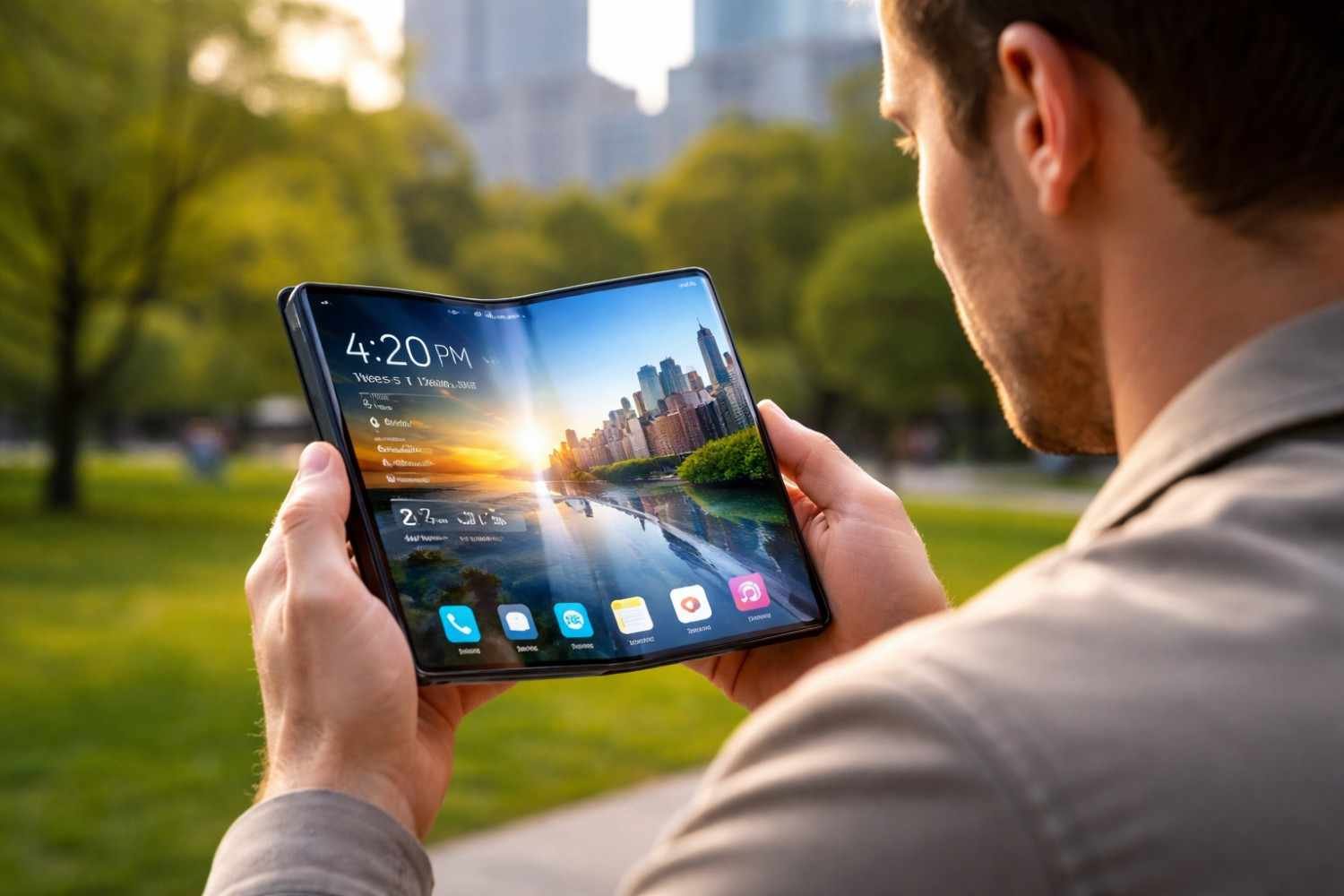
The current smartphone design has remained mostly unchanged for years, but display technology is starting to push boundaries.
Foldable phones are already here, but they’re just the beginning. Over the next few years, displays will become more dynamic. Devices will be able to expand when needed and stay compact when not.
You’ll see:
- Multi-fold designs that turn phones into larger screens
- Rollable displays that extend on demand
- Seamless screens without visible camera cutouts
The goal isn’t just to look different. It’s to make screens more useful, depending on what you’re doing, whether it’s working, watching, or multitasking.
And as production improves, these designs will move beyond premium devices and become more accessible.
Hardware Will Focus More on Experience Than Specs
For a long time, smartphone advancements were measured by numbers: faster processors, higher megapixels, more memory.
That focus is changing.
Cameras Will Prioritize Realism
Future cameras won’t chase extreme specifications. Instead, they’ll aim to capture images that feel natural. This means better depth, smoother motion handling, and more accurate lighting.
Photos will start looking less processed and more like what your eyes actually see.
Battery Life Will Finally Improve in a Meaningful Way
Battery life has always been a limitation, and most improvements have felt incremental.
That’s expected to change.
With more efficient chips and improved battery technology, many smartphones will start offering close to two days of usage on a single charge. Faster charging will also reduce the time you spend plugged in.
This is one of the most practical upcoming smartphone features, and it directly impacts everyday convenience.
Security Will Become Passive
Unlocking your phone might stop being something you actively think about.
Future devices are expected to use continuous authentication. Instead of relying on a single scan, they will verify your identity using patterns like how you type, walk, or interact with the device.
This makes security stronger without adding friction.
Sustainability Will Play a Bigger Role
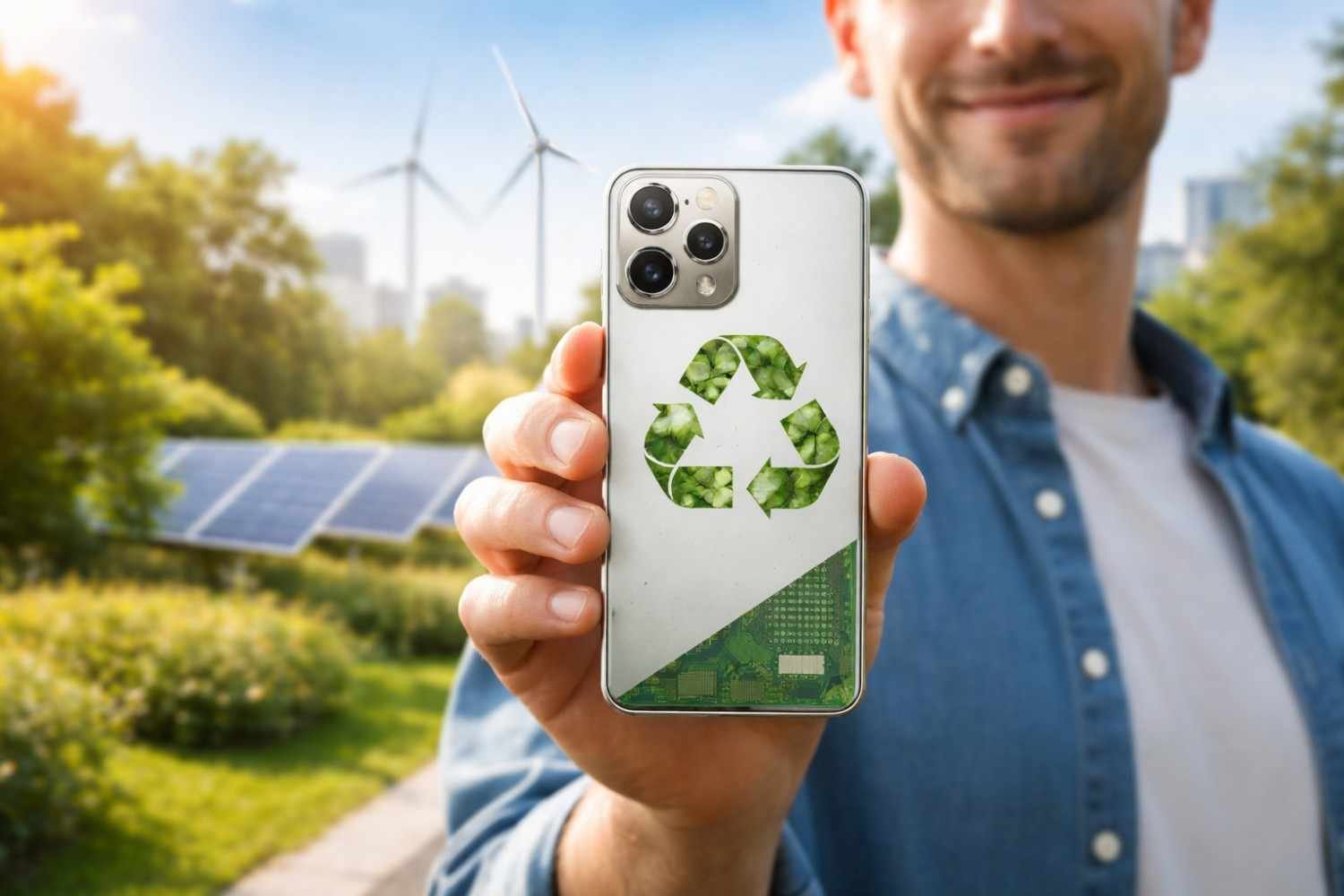
Sustainability is no longer optional for tech companies. It’s becoming a core part of product design.
Smartphones will increasingly focus on:
- Recycled and durable materials
- Longer software support cycles
- Easier repairability
Instead of replacing devices frequently, users will be able to keep them longer without feeling outdated.
This shift doesn’t just help the environment; it also changes how people approach upgrades and long-term usage.
Smartphones Will Become the Center of Connected Ecosystems
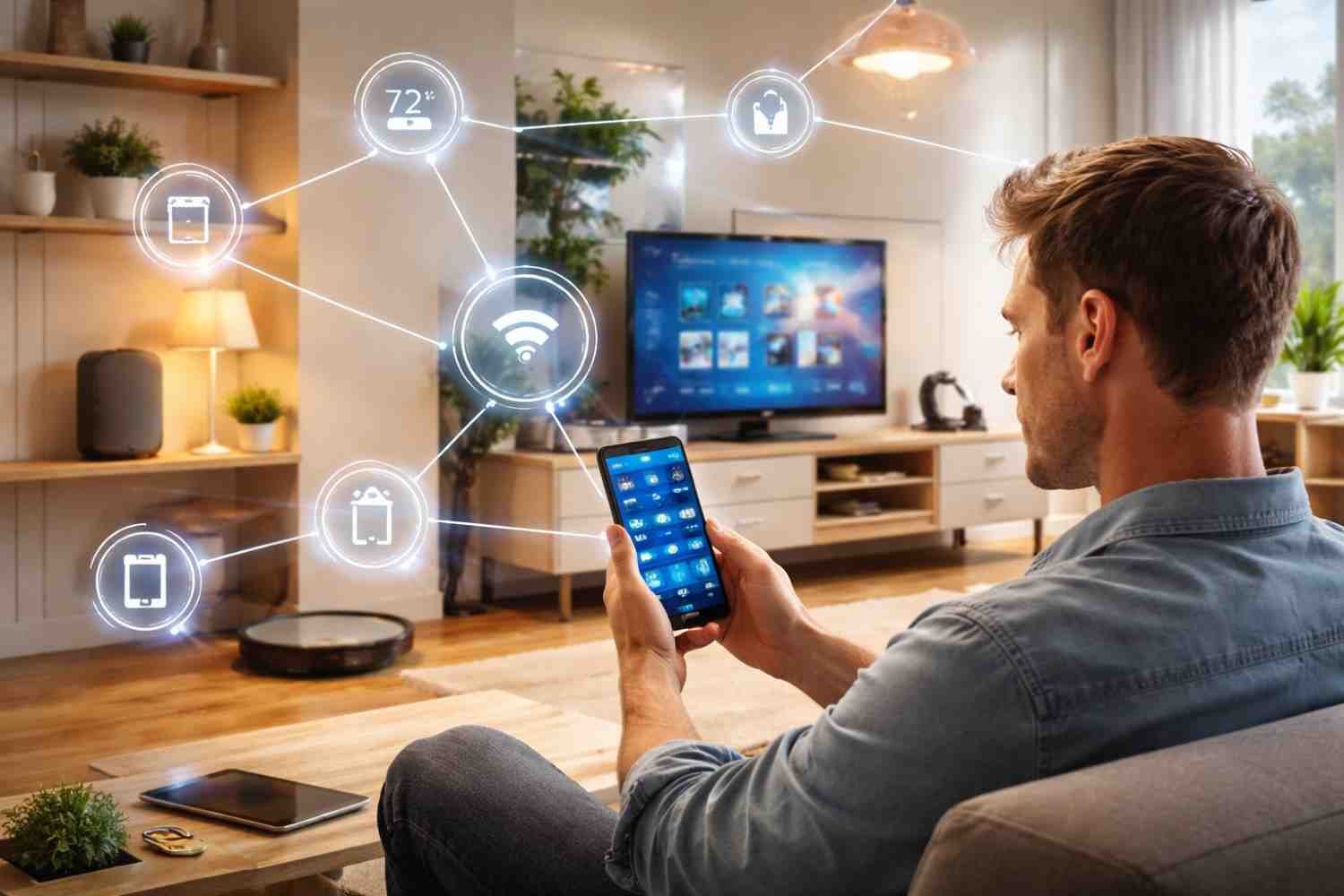
Connectivity is expanding beyond just faster internet speeds.
While current networks are still improving, the next phase is about how devices interact with each other. Smartphones will act as the central hub connecting wearables, home systems, and other smart devices.
Everything will feel more integrated.
Instead of switching between devices, your phone will coordinate everything in the background, creating a smoother and more connected experience.
What Will Stay the Same
Despite all these changes, one thing is unlikely to disappear anytime soon: the familiar smartphone form.
The standard design works, and most people are comfortable with it. Even with new display technologies, the core structure will remain recognizable.
The biggest transformation won’t be in how phones look. It will be in how they behave.
And that’s what makes this shift more impactful. It doesn’t require users to relearn anything. It simply improves what already exists.
FAQs: What the Future of Smartphones Really Looks Like in the Next 5 Years
1. Will smartphones become fully automated in the future?
Not completely, but they will handle more tasks automatically. Users will still have control, but day-to-day actions will require less effort.
2. Are foldable and rollable phones worth waiting for?
They are improving quickly, but adoption will depend on pricing and durability. Over time, they will become more practical for everyday use.
3. How important will AI be in future smartphones?
AI will become the core part of the experience, managing tasks, learning behavior, and improving efficiency without constant input.
4. Will battery life finally stop being a problem?
It will improve significantly, but heavy usage will still require charging. The difference is that it won’t feel as limiting as it does now.
Wrapping Thoughts
The future of smartphones isn’t about dramatic changes you can instantly see. It’s about quiet improvements that reshape how you interact with technology every day. The device in your pocket will start doing more thinking for you, reducing the need for constant attention and effort.
And that’s where the real value lies. Not in more features, but in less friction.