
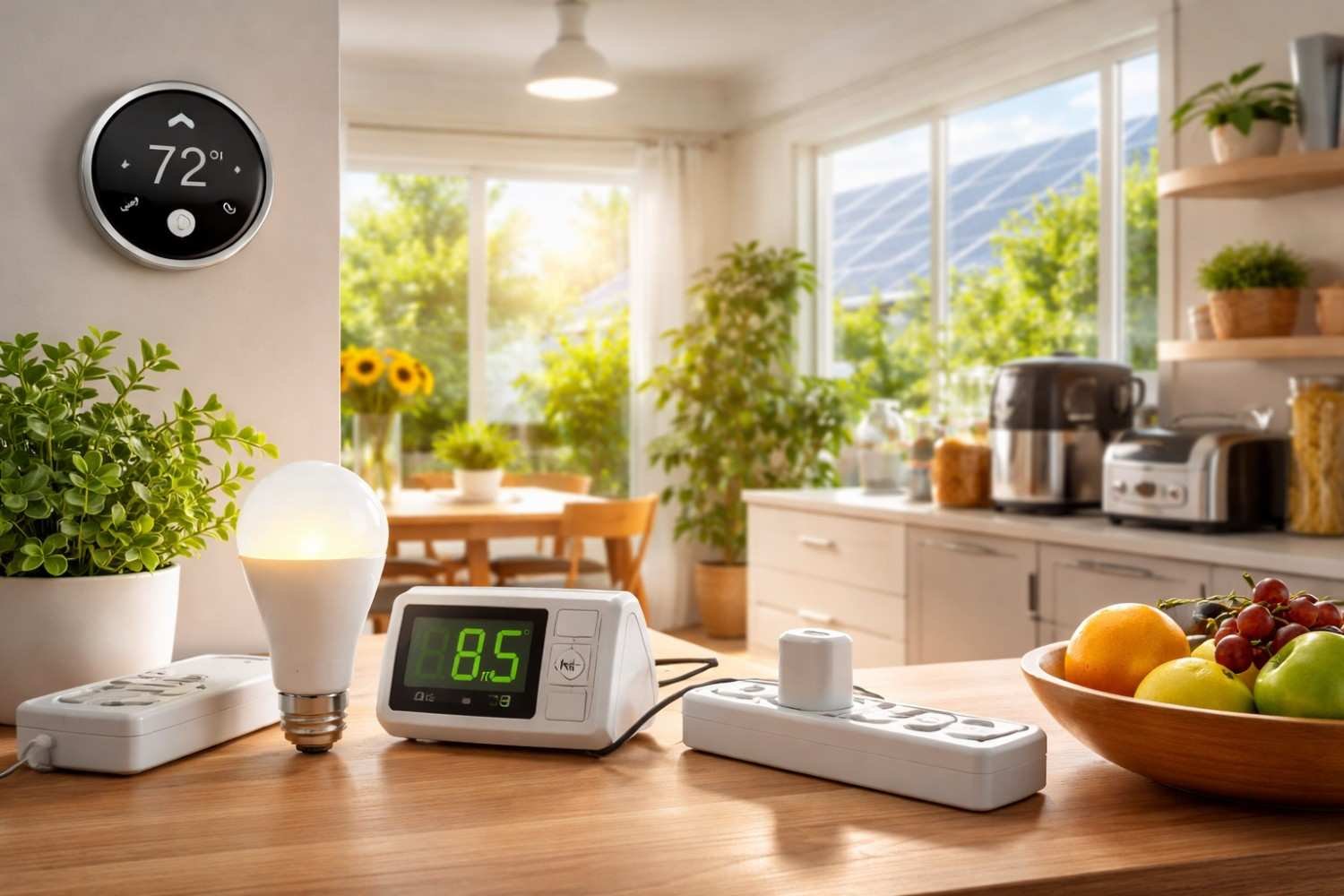
If you’re searching for energy saving tips, you’re probably tired of watching your electricity bill climb every month—and wondering what actually works.
I felt the same way until I stopped overcomplicating it.
The truth is, you don’t need expensive upgrades or a complete home makeover to see real savings. What made the biggest difference for me were a few simple changes that most people overlook—but once you start using them, your bills don’t just drop… they stay low.
In this guide, I’m sharing the exact energy-saving habits that worked for me in real life—practical, easy-to-follow, and built for everyday homes.
Quick Energy Saving Tips You Can Start Today
When I first started reducing my energy bill, I focused on quick wins. These are the easiest changes that give you immediate results.
Start with this:
- I switched all my bulbs to LED lighting
- I unplugged devices that were always on standby
- I adjusted my thermostat by just a few degrees
- I started using cold water for laundry
These small actions may seem basic, but together, they reduce energy waste significantly. What surprised me most was how fast I noticed a difference in my monthly bill.
How Can I Reduce Heating and Cooling Costs at Home?
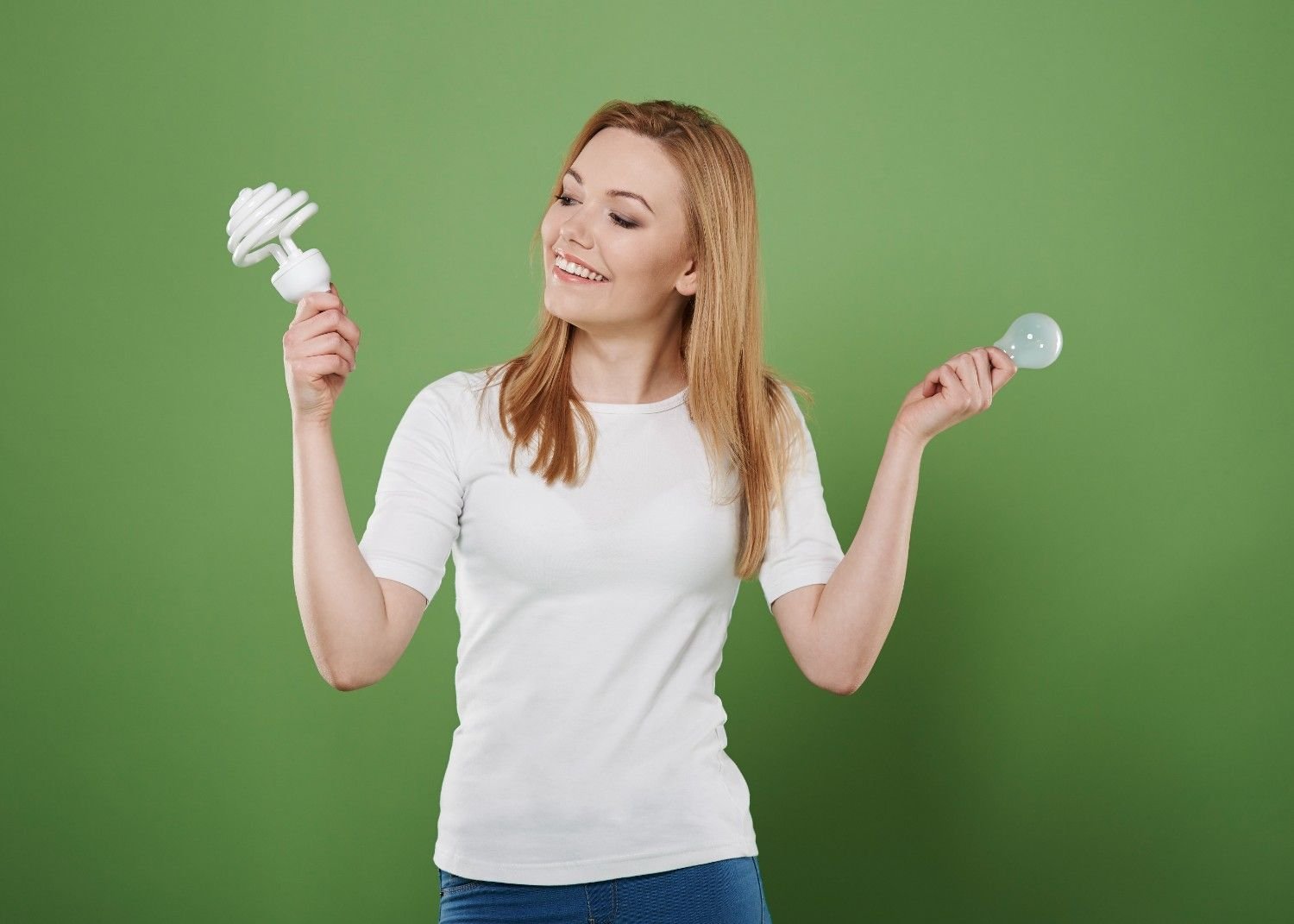
Heating and cooling usually take up the biggest chunk of your energy bill. Once I realized this, I focused most of my effort here.
Smart Thermostat Habits That Save Energy
I stopped setting my thermostat randomly and started following a simple routine:
- Lower in winter when sleeping or away
- Higher in summer when not home
- Maintain consistent settings instead of constant adjustments
Even a 1–2 degree change can lower energy usage over time.
Seal Air Leaks and Improve Insulation
This was a game-changer for me. I didn’t realize how much air was escaping through:
- Windows and doors
- Attics and basements
- Wall gaps and vents
Once I sealed those leaks, my home stayed comfortable longer without overworking the HVAC (Heating, ventilation, and air conditioning) system.
What Are the Best Energy Saving Tips for Appliances?
Appliances are silent energy consumers. I learned that how you use them matters just as much as the appliance itself.
Kitchen Energy Saving Habits That Work
I made these simple changes:
- Use a microwave or air fryer instead of the oven
- Run the dishwasher only when full
- Air-dry dishes instead of using heat dry
These habits reduce energy use without changing your routine much.
Laundry Tips That Cut Energy Usage
Laundry was another area where I saw instant savings:
- Wash clothes in cold water
- Dry full loads instead of multiple small ones
- Clean the lint filter regularly
Cold water washing alone can significantly reduce electricity use.
How Do Lighting Changes Help Save Energy?
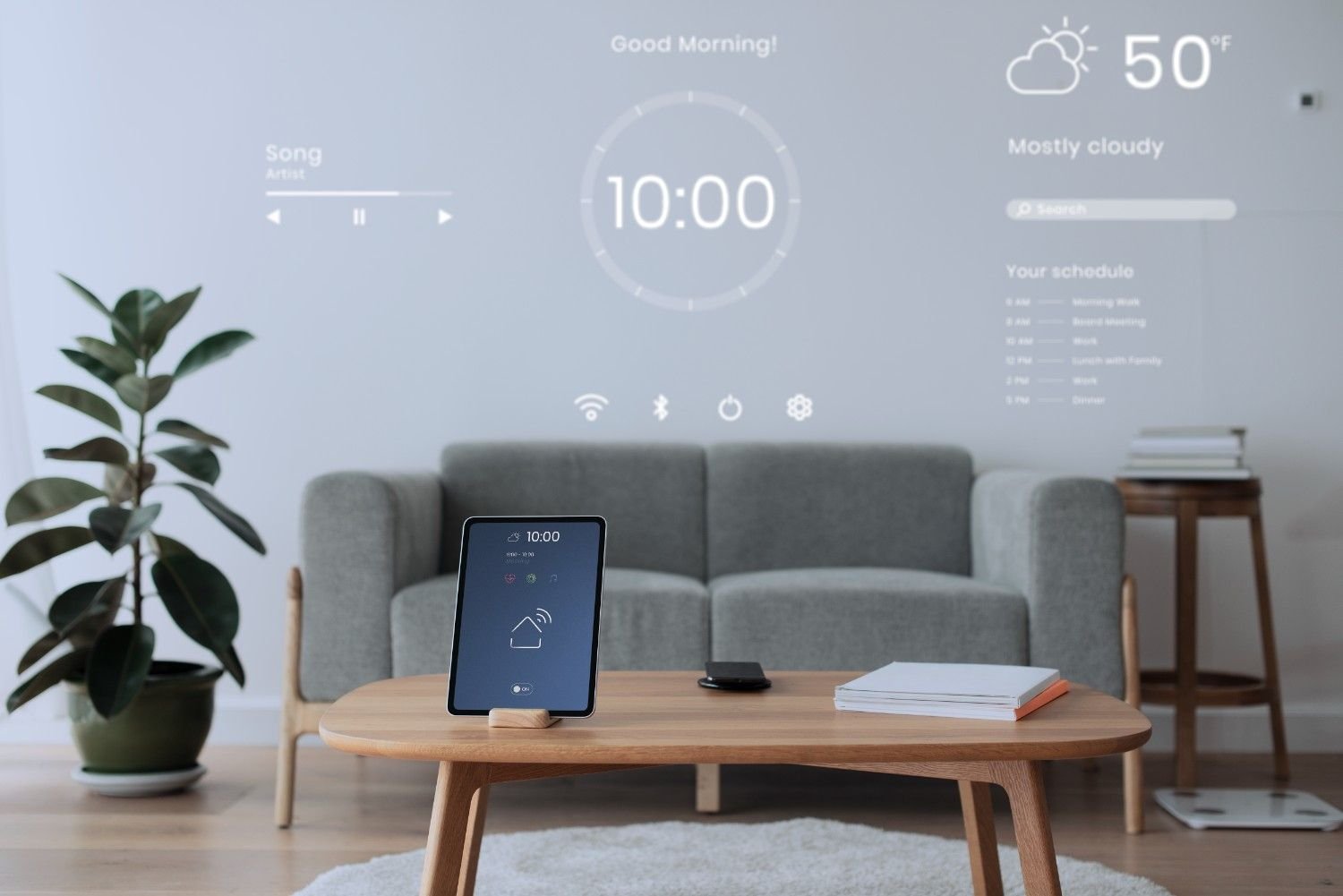
Lighting is one of the easiest upgrades to make.
When I switched to LED bulbs, I noticed two things:
- They last much longer
- They use far less electricity
I also started turning off lights more consciously and using natural daylight whenever possible.
It sounds obvious, but these habits add up over time.
Energy Saving Tips for Water Heating
Water heating is often overlooked, but it quietly drives up your bill.
Here’s what worked for me:
- Lowered water heater temperature to 120°F
- Took shorter showers
- Installed low-flow showerheads
I didn’t feel a big difference in comfort, but I definitely saw a difference in cost.
Energy Saving Tips for Renters (No Major Upgrades Needed)
If you’re renting, you might feel stuck—but you’re not.
I’ve lived in rentals, and these are the changes that worked without modifying the property:
- Use smart power strips
- Add draft stoppers under doors
- Use thermal curtains to regulate temperature
- Switch to LED bulbs (easy swap)
You don’t need permanent changes to see results.
Which Home Upgrades Save the Most Energy Long-Term?
Once I covered the basics, I looked into upgrades that provide long-term savings.
Here are the ones that deliver the best return:
- Smart thermostats for automated control
- Energy-efficient appliances
- Better insulation and sealing
- Double-pane windows
These require an upfront cost, but they reduce energy bills consistently over time.
Common Energy Saving Mistakes That Cost You More
I made a few mistakes early on that actually increased my energy usage.
Here’s what to avoid:
- Constantly adjusting the thermostat
- Leaving electronics plugged in all the time
- Running half-full appliances
- Ignoring maintenance like filter cleaning
Fixing these alone can improve your energy efficiency.
How to Build a Daily Energy-Saving Routine That Sticks
The biggest shift for me wasn’t one big change—it was consistency.
I created a simple daily routine:
- Turn off unused lights and devices
- Check thermostat settings before leaving
- Run appliances efficiently
- Stay mindful of water usage
Over time, these habits became automatic, and that’s when the real savings started.
Frequently Asked Questions About Energy Saving Tips
1. What are the easiest energy saving tips to start with?
Start with LED lighting, unplugging unused devices, and adjusting your thermostat. These changes require no cost and deliver quick results.
2. Do energy saving tips really lower electricity bills?
Yes, consistent small changes reduce overall energy consumption, which directly lowers your monthly bill over time.
3. How can I save energy without spending money?
Focus on habits like turning off lights, using cold water for laundry, and sealing drafts. These require little to no investment.
4. Are energy-efficient appliances worth it?
Yes, they use less energy over time and can significantly reduce long-term costs despite higher upfront pricing.
What Actually Made the Biggest Difference for Me
Looking back, the biggest impact didn’t come from one single tip. It came from stacking small changes and staying consistent.
Energy saving isn’t about perfection. It’s about awareness, better daily choices, and gradually building an eco conscious lifestyle that feels natural, not forced.
If you start with just a few of these energy saving tips, you’ll notice the difference—not just in your bills, but in how efficiently your home runs.
And once you see those results, it becomes a habit you won’t want to break.