
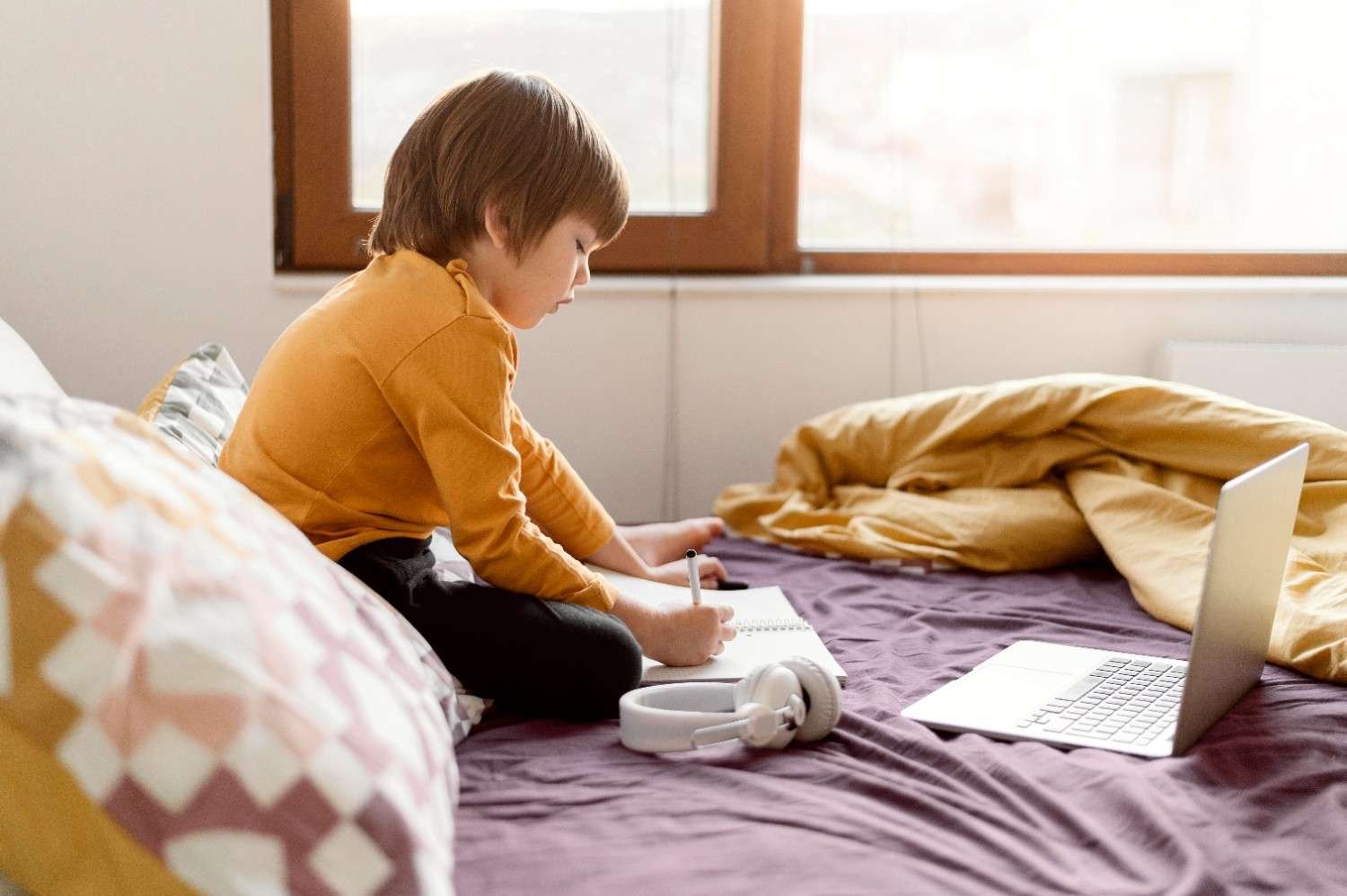
I didn’t realize how exhausting my days had become until I stepped back and looked at the chaos—rushed mornings, constant reminders, and bedtime battles that never seemed to end.
Everything changed when I created a daily routine for kids that was simple, flexible, and built around real life—not unrealistic expectations.
Within days, mornings felt smoother, homework became easier, and bedtime stopped being a struggle. The biggest surprise? My child started following the routine without constant reminders.
If your days feel unpredictable or overwhelming, this is the exact system I used to bring structure, calm, and balance back into our home—without making it feel strict or stressful.
Why Is a Daily Routine for Kids Important?
A predictable routine gives kids structure in a world that often feels overwhelming to them.
From my experience, routines help:
- Improve sleep habits and bedtime behavior
- Reduce morning anxiety before school
- Build independence and responsibility
- Create smoother transitions between activities
When kids know what’s coming next, they resist less and cooperate more. That’s the real power of consistency.
What Should a Daily Routine for Kids Include?
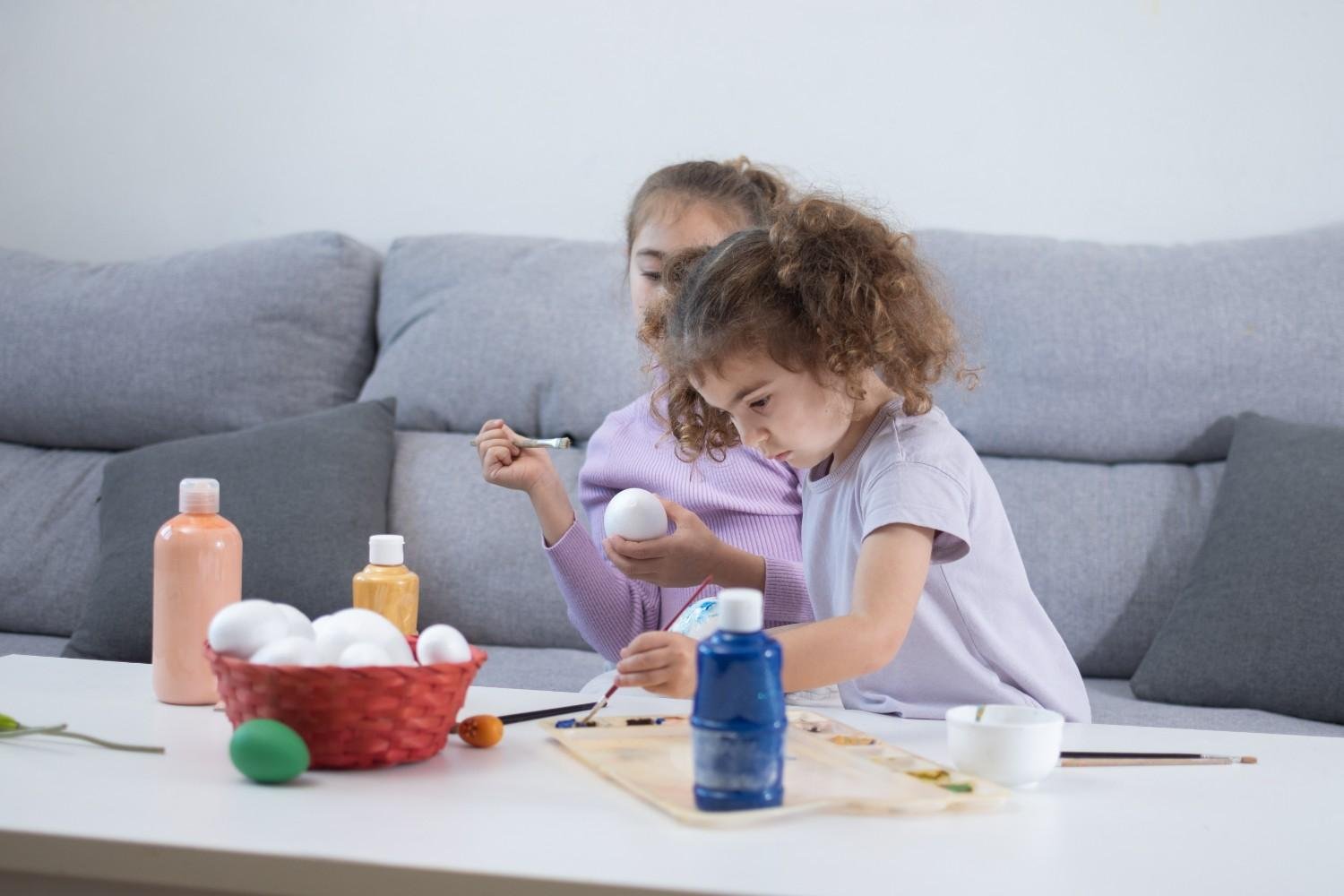
Instead of overloading your schedule, I focus on “anchor points.” These are consistent times that shape the day.
Morning Routine (7:00 AM – 8:30 AM)
Mornings set the tone, so I keep them simple and repeatable.
- Wake up at the same time each day
- Brush teeth, wash face, get dressed
- Eat a healthy breakfast
- Pack school bags and get ready
Preparing the night before makes mornings much smoother.
Daytime Routine (8:30 AM – 3:30 PM)
During school hours, the structure is already built in.
- Attend school or learning activities
- Eat lunch at a consistent time
- Stay engaged in educational tasks
For younger kids at home, short learning blocks with breaks work best.
After-School Routine (3:30 PM – 6:00 PM)
This is where most routines fall apart—but it’s also the easiest to fix.
- Have a snack and relax
- Complete homework or reading
- Spend time outdoors or in activities
I always let kids decompress first before asking them to focus again.
Evening Routine (6:00 PM – 8:00 PM)
Evenings should feel calm, not rushed.
- Eat dinner as a family
- Do small chores like setting the table
- Wind down with quiet activities
- Avoid screens at least one hour before bed
This helps transition into bedtime smoothly.
Bedtime Routine (8:00 PM – 8:30 PM)
This is the most important part of the day.
- Take a bath and change into pajamas
- Brush teeth
- Read a bedtime story or talk about the day
- Lights out at a consistent time
A strong bedtime routine improves sleep and behavior the next day.
Sample Daily Routine for Kids (Easy Time-Block Schedule)

If you prefer a clear structure, here’s a simple framework you can follow:
- 7:00 AM – Wake up
- 8:00 AM – Breakfast and school prep
- 8:30 AM – School begins
- 12:00 PM – Lunch
- 3:30 PM – Snack and rest
- 4:30 PM – Homework
- 5:30 PM – Playtime or activities
- 6:30 PM – Dinner
- 8:00 PM – Wind down
- 8:30 PM – Bedtime
You can adjust this based on your child’s age and schedule.
How to Create a Routine That Actually Sticks
This is where most parents struggle. I’ve found that how you introduce the routine matters more than the routine itself.
Involve Your Child
Give them small choices like:
- Choosing a bedtime story
- Picking a snack
When kids feel involved, they follow routines more easily.
Start Small, Not Perfect
Don’t try to fix the entire day at once. Start with mornings or bedtime and build from there.
Use Visual Routine Charts
Kids respond well to visuals. Charts with pictures or checklists make routines easier to follow.
Include Free Play Time
Unstructured time is just as important as structured time. It helps kids develop creativity and independence.
Be Consistent but Flexible
Life isn’t perfect—and your routine shouldn’t be either.
Stick to key anchor points like meals and sleep, but allow flexibility for real-life situations.
What If My Child Refuses to Follow the Routine?
I’ve been through this, and here’s what actually works:
- Stay consistent, even when they push back
- Offer choices within limits
- Avoid sudden major changes
- Use positive reinforcement instead of punishment
Most resistance comes from change, not the routine itself.
How to Adjust Routines for Weekends and School Breaks

One mistake I made early on was dropping the routine completely on weekends.
Now I keep it simple:
- Wake up within 1 hour of weekday time
- Keep meals and bedtime consistent
- Allow more flexibility for fun and family time
This keeps things balanced without feeling strict.
Frequently Asked Questions (FAQs)
1. What is the best daily routine for kids?
A good routine includes consistent wake-up times, meals, school, play, homework, and bedtime.
2. How long does it take to build a routine?
It usually takes a few weeks for kids to adjust and follow a routine consistently.
3. Should routines be the same on weekends?
Keep core elements like sleep and meals consistent, but allow more flexibility for activities.
4. How do I make routines easier for younger kids?
Use visual charts, simple steps, and repetition to help them understand what comes next.