
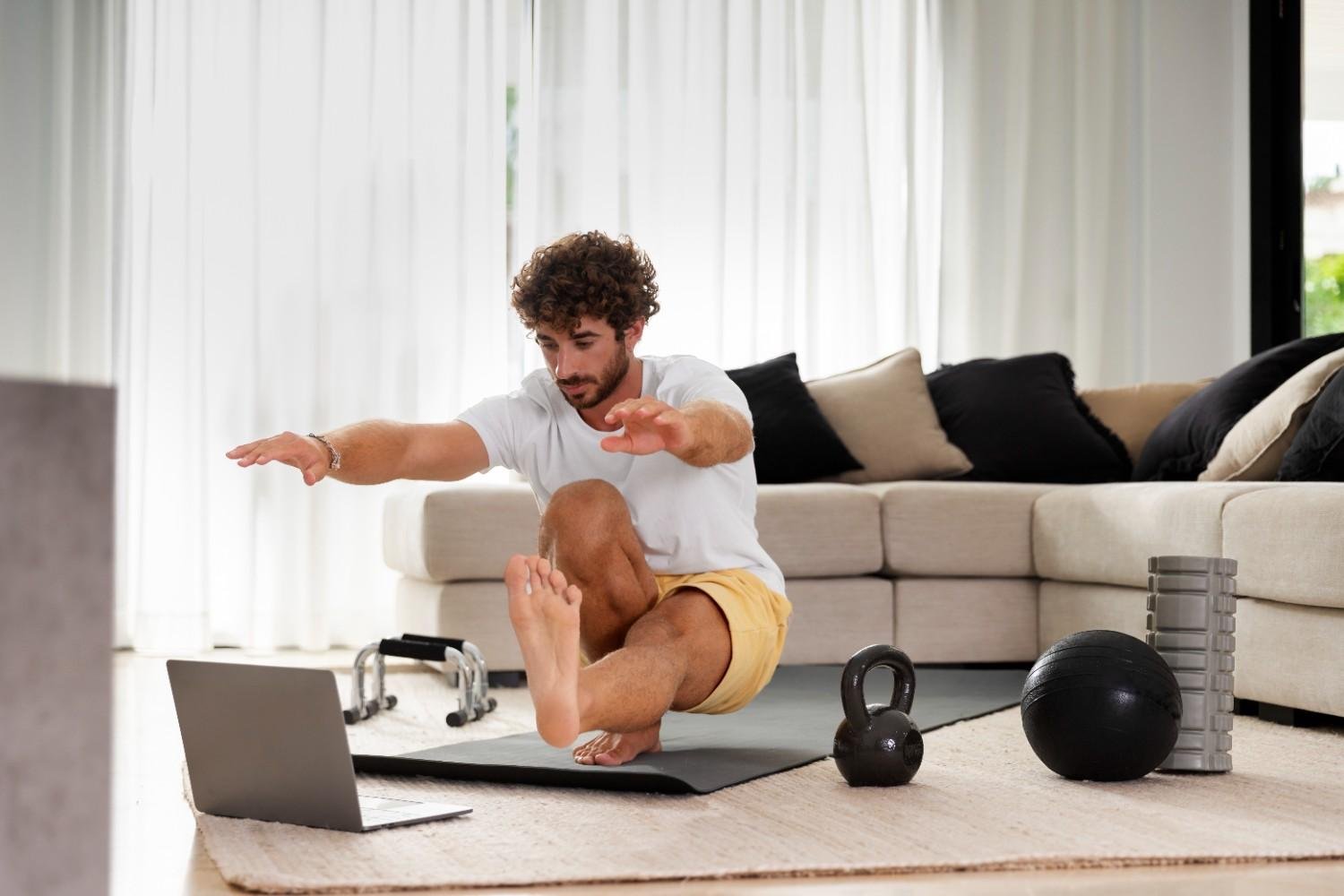
Most people don’t fail at a fitness routine at home because it doesn’t work—they fail because it feels confusing, overwhelming, or just too hard to stick with.
I’ve been there. I tried random workouts, skipped days, and kept starting over. Nothing felt consistent until I simplified everything into a routine I could actually follow.
Once I did that, things changed fast. I started feeling stronger, more energetic, and finally in control of my progress.
If you’re in the US trying to fit fitness into a busy life, this guide will show you exactly how to build a routine that works—without needing a gym, expensive equipment, or hours of free time.
What Is the Best Fitness Routine at Home for Beginners?
The best way to start is with a simple, full-body structure that you can repeat consistently. You don’t need complicated splits or long workouts.
I always recommend focusing on:
- Full-body movements
- Short sessions (20–30 minutes)
- Consistency over intensity
A beginner-friendly home workout plan should help you build strength while keeping things manageable.
Beginner 20-Minute Full Body Workout You Can Start Today
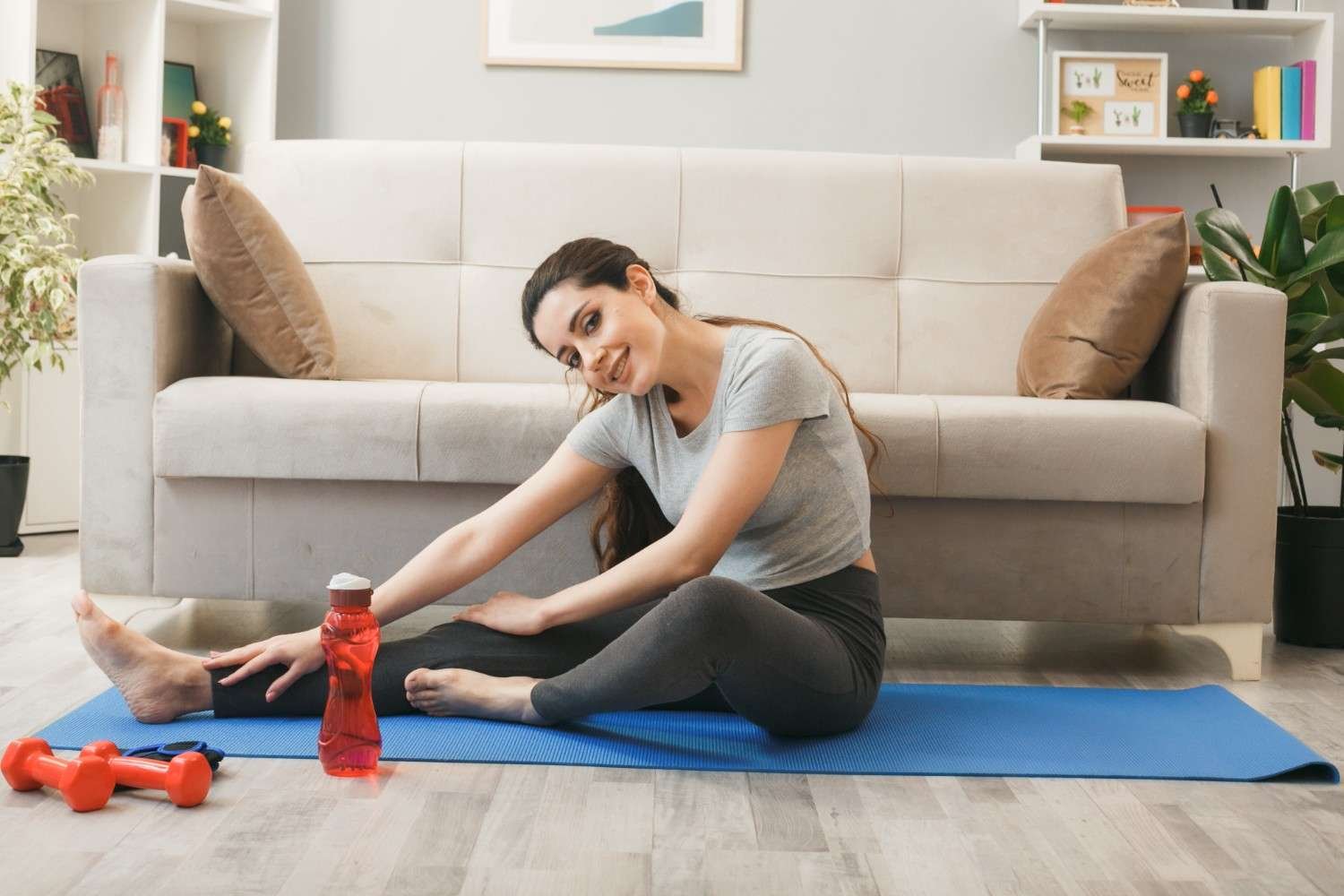
This routine is built around fundamental movements and works well if you’re just getting started.
Start with a quick warm-up. March in place or do light jumping jacks for about 2 minutes to get your blood flowing.
Move into the main circuit and complete 2 sets of 10–15 reps for each exercise. Rest for 30–60 seconds between movements.
Bodyweight squats help build lower body strength. Keep your feet shoulder-width apart and lower your hips as if sitting in a chair.
Knee push-ups are great for developing upper body strength safely. They reduce pressure while still building muscle.
Stationary lunges improve balance and leg strength. Step forward and lower both knees to about 90 degrees.
Glute bridges activate your posterior chain. Lie on your back, lift your hips, and squeeze at the top.
Forearm planks strengthen your core. Hold a straight-body position for 20–30 seconds.
Finish with a short cool-down. Gentle stretching like a child’s pose or hamstring stretch helps recovery.
Weekly Fitness Routine at Home Schedule That Works
A balanced weekly structure makes a big difference. Here’s the schedule I personally follow and recommend:
Monday focuses on full-body strength with squats, push-ups, lunges, and planks.
Tuesday is for cardio. A brisk walk, dancing, or jumping jacks keeps your heart active.
Wednesday targets core and balance. Yoga flows, bicycle crunches, and bird-dogs work well.
Thursday is an active recovery. Stretching or a light walk helps your body reset.
Friday returns to strength training. Repeat Monday’s routine or try a 20-minute variation.
Saturday is another cardio day. Jogging, cycling, or even stair climbing works.
Sunday is for full rest or a short mobility session.
This type of at home workout schedule keeps your body moving without overtraining.
What Exercises Should Be Included for Best Results?
A strong routine always includes three key areas.
Lower body movements like squats and lunges build strength and stability.
Upper body exercises such as push-ups help develop muscle and improve posture.
Core training, including planks and controlled movements, supports balance and reduces injury risk.
When combined, these create a complete and effective fitness routine at home.
How to Progress Your Home Workout for Better Results
Progression is where real change happens.
If an exercise starts to feel easy, increase your reps gradually. You can also reduce rest time or move to more challenging variations.
For example, progress from knee push-ups to full push-ups or from basic squats to jump squats.
This method, known as progressive overload, ensures your body keeps improving.
Can You Build Muscle Without a Gym?
Yes, and I’ve seen it firsthand.
You can build muscle using bodyweight exercises if you focus on:
- Proper form
- Consistency
- Gradual progression
Using household items like water jugs or a backpack filled with books can add extra resistance and make your workouts more effective.
Tips to Stay Consistent With Your Routine
Consistency always beats intensity.
I treat my workouts like an appointment. Setting a fixed time each day makes it easier to stay on track.
Even 10–20 minutes daily can deliver better results than long, inconsistent sessions.
Tracking progress also helps. When you see improvement, you stay motivated.
Common Mistakes to Avoid
Skipping warm-ups increases the risk of injury and reduces performance.
Doing random workouts without a structured plan makes it harder to see results.
Expecting fast changes can lead to frustration. Fitness is a long-term commitment.
Stick to a simple plan and focus on steady improvement.
Frequently Asked Questions
1. How long should a home workout session be?
A session should last 20–30 minutes. Short, consistent workouts are highly effective.
2. Can I lose weight with a home workout routine?
Yes, combining strength exercises with cardio and a healthy diet can help with weight loss.
3. Do I need equipment for home workouts?
No, you can start with bodyweight exercises. Household items can add resistance later.
4. How soon will I see results?
Most people notice improvements in strength and energy within 2–4 weeks.