

There was a time when privacy felt simple. You signed up for a platform, maybe shared your email, and that was about it. Now, it feels like every action leaves a trail. From the moment you unlock your phone to the way you scroll through apps, something is being tracked, analyzed, and quietly stored. You don’t always see it, but it’s there working in the background.
What’s changed isn’t just the amount of data being collected. It’s how that data is being used. The shift from basic tracking to predictive intelligence has made privacy concerns in technology far more serious than they used to be. It’s no longer just about losing data. It’s about losing control over how decisions are made about you.
The Shift From Data Collection to Behavioral Prediction

Technology is used to collect information. Now it tries to predict you.
AI-driven systems are building detailed behavioral profiles, sometimes called “replica profiles,” that attempt to forecast what you’ll do next. These systems don’t just observe; they influence. Credit approvals, job screening, even healthcare recommendations can now be shaped by algorithms you never see.
That’s where things start to feel uncomfortable. You’re not just using technology anymore. Technology is shaping outcomes based on patterns you didn’t consciously create.
When Personalization Starts Crossing the Line
Personalization used to feel helpful. Recommendations, curated feeds, suggested products, it all seemed convenient. But there’s a tipping point where personalization becomes manipulation.
Advanced systems now deliver hyper-targeted content that can subtly influence decisions. It’s not always obvious. It might look like a helpful suggestion, but behind it is a deep understanding of your behavior, preferences, and vulnerabilities.
This is where privacy concerns in technology become personal. It’s not just about what companies know. It’s about how that knowledge is used to guide your choices without you realizing it.
The Rise of Invisible Surveillance

You don’t need to actively share data anymore for it to be collected.
Smart home devices, wearable tech, connected cars, these systems generate continuous streams of data. Location, voice inputs, health metrics, and even movement patterns are recorded passively.
This creates what many call a “data trail.” And unlike older forms of data collection, this one doesn’t stop when you log out. It runs constantly.
Over time, this builds a digital version of you that exists outside your control.
AI-Powered Threats Are Changing the Game
Cybersecurity risks have evolved just as quickly.
Attackers are now using AI to create highly convincing scams. Deepfake audio and video can mimic familiar voices or faces, making fraud harder to detect. Automated attacks can test thousands of passwords in seconds, bypassing traditional defenses.
This means privacy risks are no longer just technical; they’re psychological. People are being tricked, not just hacked.
And once your data is exposed, it doesn’t just disappear. It gets reused, resold, and repurposed in ways you may never fully understand.
The Real-World Impact of Losing Privacy
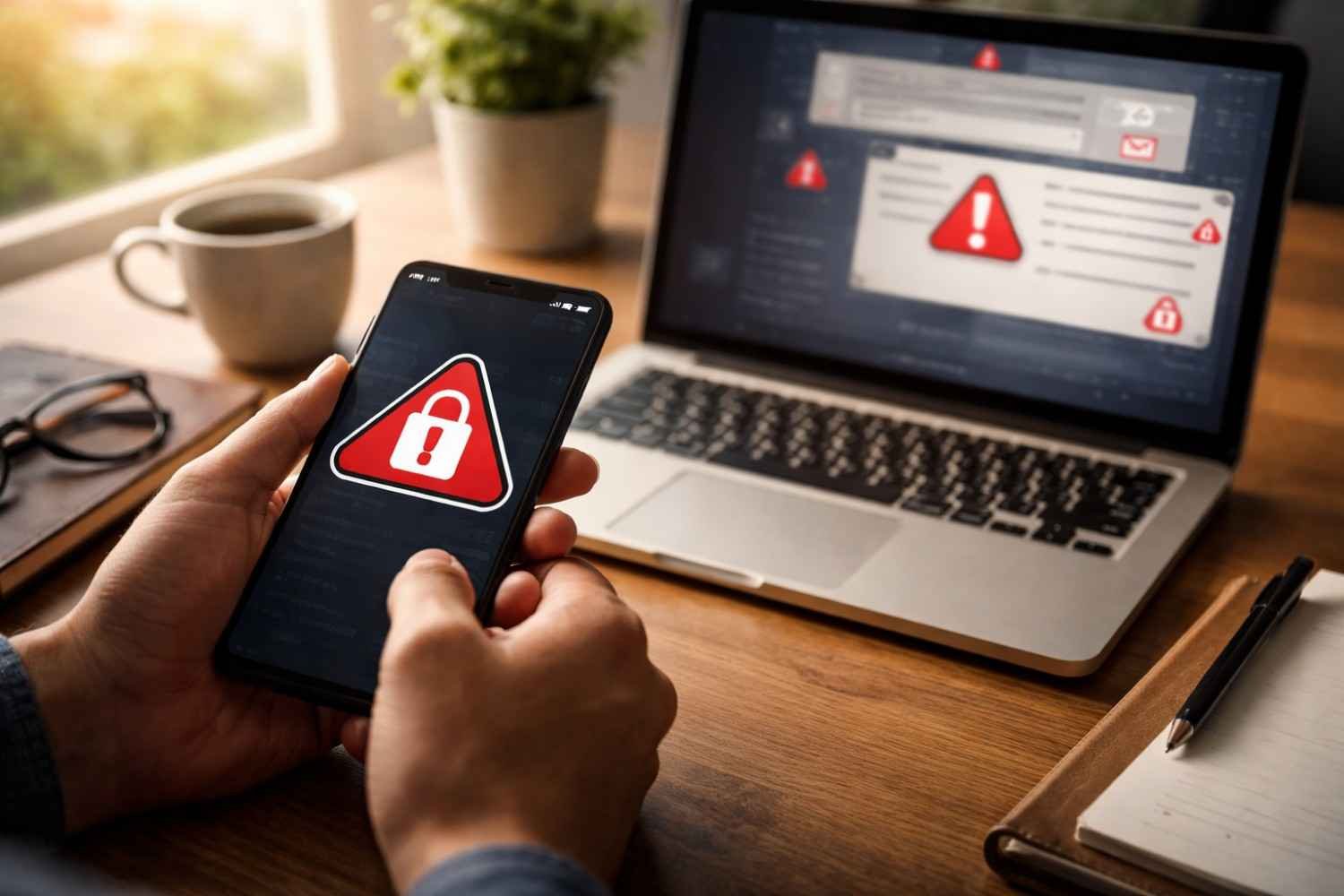
The consequences of privacy loss are no longer abstract. They show up in real, tangible ways.
- Loss of autonomy: Decisions influenced by unseen algorithms
- Financial risk: Identity theft, fraud, and unauthorized transactions
- Social consequences: Profiling and discrimination based on data patterns
- Erosion of trust: Feeling constantly monitored changes behavior
Privacy isn’t just about secrecy anymore. It’s about maintaining control over your identity and decisions.
Why Regulations Aren’t Enough on Their Own
There’s been a push toward stricter data laws and accountability. Organizations are now expected to prove ethical data practices, not just follow rules.
But regulations alone can’t keep up with how fast technology evolves.
Different regions follow different frameworks. Some focus on user consent, others on corporate accountability. This creates a fragmented system where protection depends on where you are and which service you’re using.
That’s why individual awareness matters more than ever.
Practical Ways to Take Back Control

You don’t need to be a cybersecurity expert to improve your privacy. Small, consistent actions make a real difference.
Here are a few that actually matter:
- Review app permissions regularly and remove anything unnecessary
- Enable multi-factor authentication wherever possible
- Avoid sharing sensitive details with AI tools or chatbots
- Delete unused accounts that still hold personal data
- Use browser signals that limit tracking and data sharing
These steps aren’t complicated, but they’re often ignored. Over time, they reduce your exposure significantly.
Privacy and Everyday Digital Behavior
One thing people don’t always connect is how daily habits influence privacy risk.
The way you consume content, the time you spend online, and even how quickly you switch between apps, all of it feeds into behavioral data models. This is where how technology affects attention span becomes more than just a productivity issue. It directly shapes the kind of data being collected about you.
The more fragmented and reactive your digital behavior becomes, the easier it is for systems to map and predict your patterns.
FAQs: Why Privacy Concerns in Technology Matter More Than Ever Today
1. What are the biggest privacy concerns in technology today?
The biggest concerns include data tracking, AI-driven profiling, identity theft, deepfake scams, and constant data collection through connected devices.
2. How does AI increase privacy risks?
AI analyzes and predicts behavior using large datasets. This can influence decisions about individuals without transparency or consent.
3. Can personal data really be used against you?
Yes. It can be used for targeted manipulation, financial fraud, discrimination, or unauthorized profiling, depending on how it’s accessed and applied.
4. What is the easiest way to improve online privacy?
Start by enabling multi-factor authentication, limiting app permissions, and being mindful of what you share online.
Final Thoughts
Privacy used to feel like something you either had or didn’t. Now, it’s something you manage daily. Every click, search, and interaction adds to a growing digital profile that you don’t fully see but constantly contribute to. That’s what makes privacy concerns in technology more urgent today. It’s not about fear, it’s about awareness and control. The more you understand how systems work, the better decisions you can make.
You don’t need to disconnect completely. But being intentional with your digital habits can go a long way.