
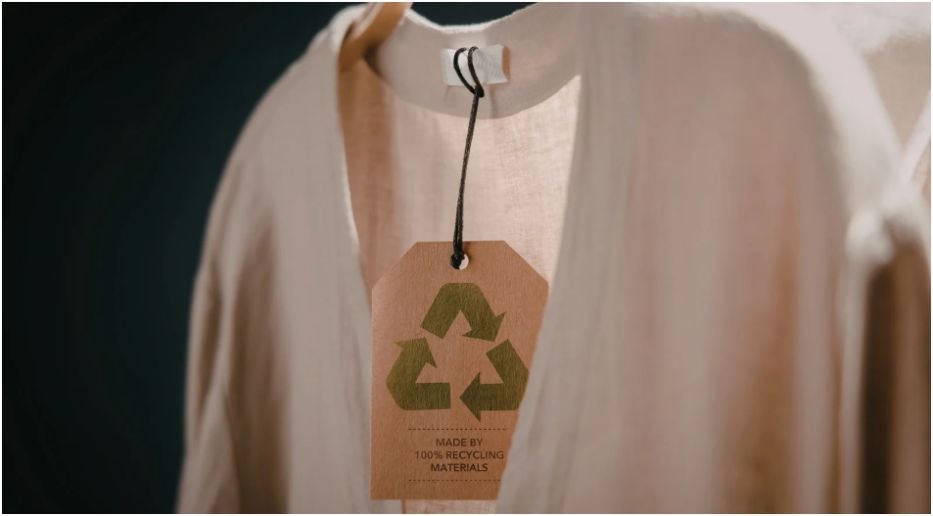
I used to feel overwhelmed every time I searched for sustainable fashion tips. Everything sounded expensive, complicated, or unrealistic for everyday life.
If you feel the same, here’s the truth: you don’t need to throw away your wardrobe or spend a fortune to be sustainable. The real shift comes from small, consistent habits.
The biggest change I made? I stopped buying impulsively and started using what I already owned. That alone reduced waste and saved money.
If you’re just starting, this guide will show you simple, practical ways to build a more ethical wardrobe without stress.
Key Takeaways
- Most sustainability starts with wearing what you already own
- Small habits like washing less and repairing clothes make a big difference
- Secondhand shopping is often better than buying “new sustainable” items
- Fabric choice matters more than brand names
- Consistency beats perfection every time
Why Do Sustainable Fashion Tips Matter in Everyday Life?
Fast fashion made clothing cheap and disposable. I noticed my closet kept growing, but I still felt like I had nothing to wear.
That’s when I realized the problem wasn’t lack of options. It was lack of intention.
Sustainable fashion helps you break that cycle. You buy less, wear more, and actually enjoy your clothes. It also reduces waste, pollution, and unnecessary spending.
The Objection Most Beginners Have
A lot of people think sustainable fashion is expensive. I thought that too.
But in reality, buying fewer, better items often costs less over time. The real expense comes from constantly replacing low-quality clothes.
How Can You Start With What You Already Own?
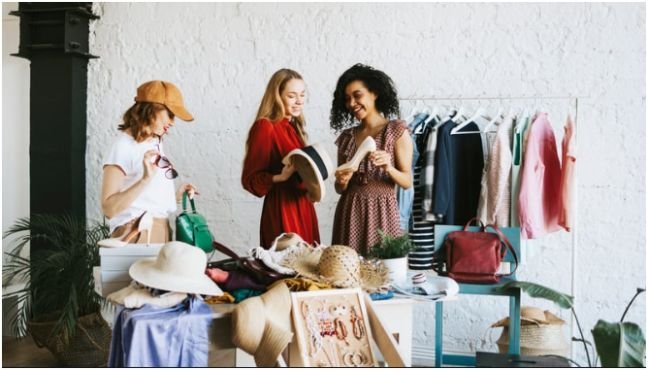
The easiest place to begin is your current wardrobe.
I started by pulling everything out and asking myself one simple question: “Do I actually wear this?”
Most of the time, the answer was no.
Create a Mini Capsule First
Instead of overhauling everything, I built a small capsule using pieces I already loved.
I picked a few tops, bottoms, and shoes that worked well together for seasonal outfit idea. Suddenly, getting dressed became easier, and I stopped craving new clothes.
Restyling Makes a Huge Difference
You don’t need new clothes to feel fresh.
Changing one element—like shoes, accessories, or layering—can completely transform an outfit. I started repeating outfits more often, and honestly, no one noticed.
What Are the Smartest Ways to Shop More Mindfully?
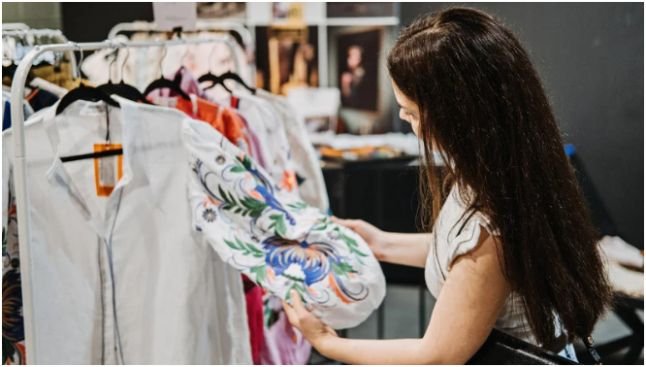
Once you reduce unnecessary buying, the next step is making better choices when you do shop.
I now pause before every purchase. That alone changed everything.
The 30-Wear Rule Changed My Habits
Before buying anything, I ask myself if I’ll wear it at least 30 times.
If the answer is no, I skip it. This simple filter eliminates impulse purchases instantly.
Why Secondhand Is a Game-Changer
I used to ignore thrift stores and resale apps.
Now, they’re my first stop. You get better quality for less money, and you extend the life of existing clothes instead of creating demand for new ones.
Which Materials Should You Choose (and Avoid)?
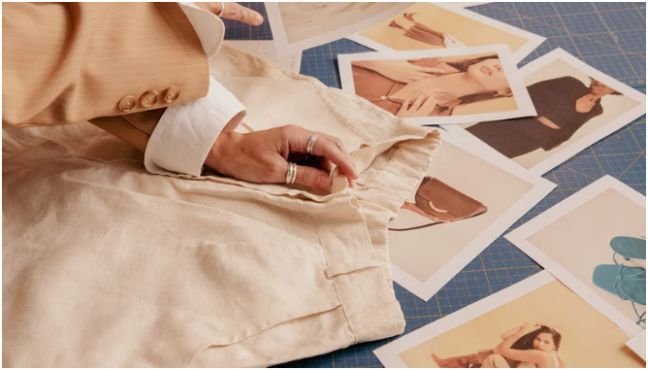
Fabric choice matters more than most people think.
I didn’t realize how much impact materials had until I started paying attention.
Better Fabric Choices
Natural fibers like cotton, linen, wool, and hemp tend to be more breathable and biodegradable.
I also look for newer options like Tencel, which feels soft but has a lower environmental impact.
What I Avoid Now
I try to limit polyester, nylon, and acrylic when possible.
These materials come from fossil fuels and can release microplastics during washing. Even reducing them slightly can make a difference.
How Do You Make Clothes Last Longer?
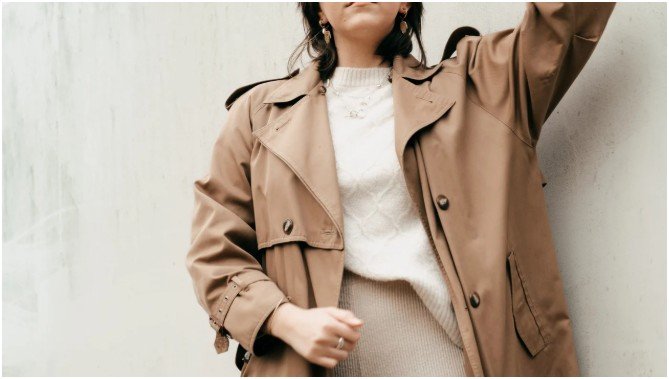
This is where most people overlook the biggest opportunity.
You don’t need new clothes. You need your current clothes to last longer.
Washing Less Changed Everything
I used to wash clothes after every wear.
Now, I wash only when necessary, use cold water, and air dry. My clothes last longer, and my energy bills dropped.
Repairing Is Easier Than You Think
I learned basic fixes like sewing buttons and patching small tears.
It took less than 10 minutes, and it saved clothes I would have thrown away before.
What’s the One Insight Most People Miss?
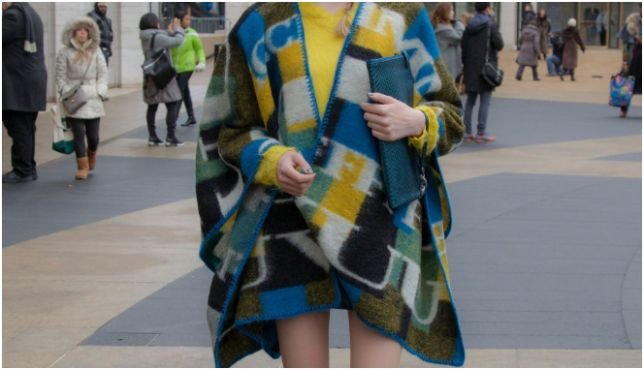
Most blogs focus on buying “eco-friendly” brands.
But here’s what I’ve learned: buying less is more sustainable than buying “better.”
Even the most ethical product still uses resources. The real impact comes from reducing consumption.
Once I shifted my mindset from “what should I buy?” to “do I need this at all?”, everything changed.
How To Sustainable Fashion Tips
If you want a simple routine, here’s what actually worked for me.
Start by auditing your wardrobe and identifying the pieces you wear the most. Build a small rotation around those items so you stop feeling overwhelmed by choices.
Next, create a personal rule before buying anything new. I use the 30-wear rule, but you can also set a waiting period of a few days before purchasing.
Then, shift your shopping habits toward secondhand and local options. This reduces waste and often gives you better quality for less money.
After that, focus on care. Wash clothes less often, use cold water, and air dry whenever possible. These small changes extend garment life significantly.
Finally, learn one basic repair skill. Even simple fixes can keep clothes in your wardrobe longer and reduce the need to replace them.
Frequently Asked Questions
1. What are the easiest sustainable fashion tips for beginners?
Start by wearing what you already own, avoiding impulse buying, and washing clothes less often. These habits are simple and create immediate impact.
2. Is sustainable fashion expensive?
Not necessarily. Buying fewer items and choosing quality over quantity often saves money in the long run compared to fast fashion habits.
3. How can I shop sustainably on a budget?
Focus on thrift stores, resale apps, and clothing swaps. These options are affordable and help reduce waste without sacrificing style.
4. Do sustainable fashion tips really make a difference?
Yes. Small changes like reducing purchases and extending clothing life can significantly lower environmental impact over time.
This Is Where Your Wardrobe Finally Makes Sense
Following sustainable fashion tips isn’t about being perfect. It’s about being intentional.
Once I simplified my wardrobe and stopped chasing trends, everything felt easier. Getting dressed took less time, and I actually liked what I wore.
Here’s a simple comparison that helped me stay consistent:
| Habit | Old Approach | New Approach |
| Shopping | Frequent impulse buys | Intentional, planned purchases |
| Outfit Use | Worn a few times | Worn 30+ times |
| Laundry | After every wear | Only when needed |
| Repairs | Throw away | Fix and reuse |
My biggest tip? Start small.
Pick one habit—maybe washing less or buying less—and stick to it. That’s how real change happens.