

I used to hate looking up endings because I always got spoiled within seconds. If you’ve ever searched series ending explained without spoilers and still ended up ruining the show for yourself, you’re not alone.
The good news? You don’t need plot details to understand an ending. Once I learned how to focus on themes, character growth, and emotional payoff, I started enjoying finales more—even the confusing ones.
What Does “Series Ending Explained Without Spoilers” Actually Mean?
When I explain a finale without spoilers, I avoid what happens and focus on what it means.
Think of it like this: instead of telling you who wins or loses, I help you understand why the ending feels satisfying, confusing, or emotional.
This approach works because most great finales aren’t about shock value. They’re about wrapping up the journey in a way that feels true, whether it’s a movie with the best plot twists or a series.
Why Do People Prefer Series Ending Explained Without Spoilers?

The biggest concern I hear is simple: “I want clarity, but I don’t want the experience ruined.”
That’s valid. Watching a finale without context can feel confusing, but reading spoilers kills the emotional payoff.
A spoiler-free explanation solves both problems. You get clarity on tone, themes, and direction—without losing the surprise.
Another hidden benefit? You actually pay more attention while watching because you’re thinking about meaning, not just events.
What Are the Different Types of Series Endings?
Definitive Endings: Everything Is Resolved
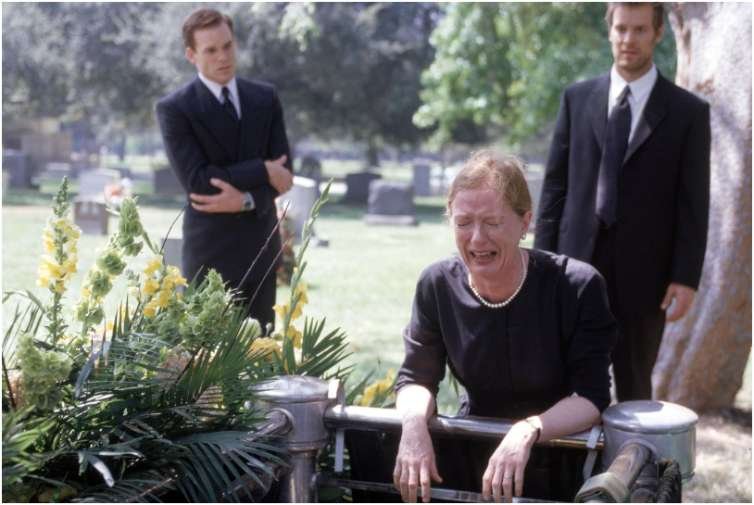
Breaking Bad and Six Feet Under are perfect examples.
These endings tie up loose ends and show you exactly where every character ends up. I find these the easiest to understand because they leave little room for interpretation.
Ambiguous Endings: You Decide What It Means
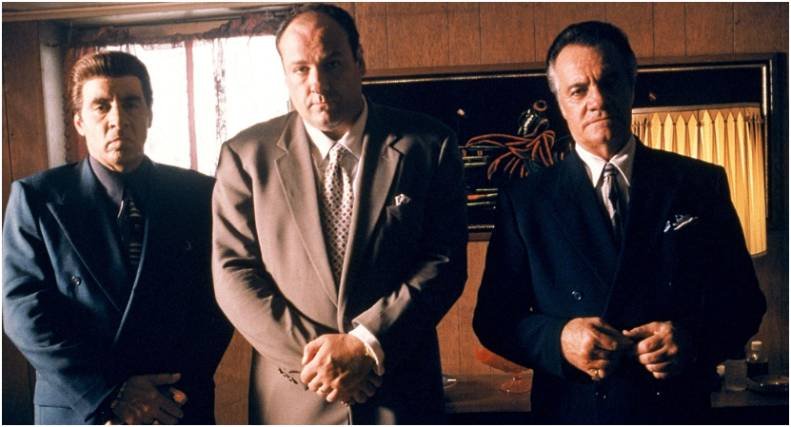
The Sopranos is famous for this style.
Instead of giving answers, the show leaves you with a feeling or a message. At first, this can feel frustrating—but once you get used to it, it becomes more meaningful.
Thematic Endings: It’s About the Message
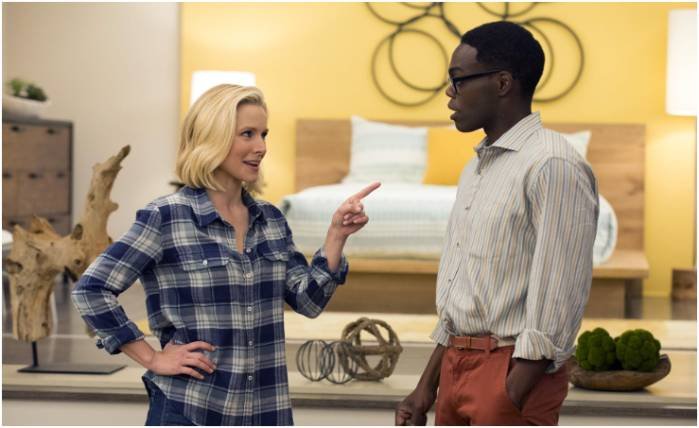
The Good Place is a great example.
Here, the ending focuses on the core idea of the show—like morality, purpose, or identity. The plot matters less than what the story is trying to say.
Circular Endings: Back Where It All Began
These endings mirror the first episode in some way.
I love this style because it quietly shows how much (or how little) characters have changed. It feels subtle but powerful.
What Makes a Series Finale Feel Satisfying?
From everything I’ve watched, three things always stand out.
First, characters need to evolve. Even if the ending is sad, you should feel like the journey mattered.
Second, callbacks make a huge difference. When a show references earlier moments, it creates a sense of closure.
Third—and this is what most people miss—it’s about emotional release. A finale doesn’t have to be happy, but it should make you feel something real.
Which Shows Have the Best Endings (Without Spoilers)?
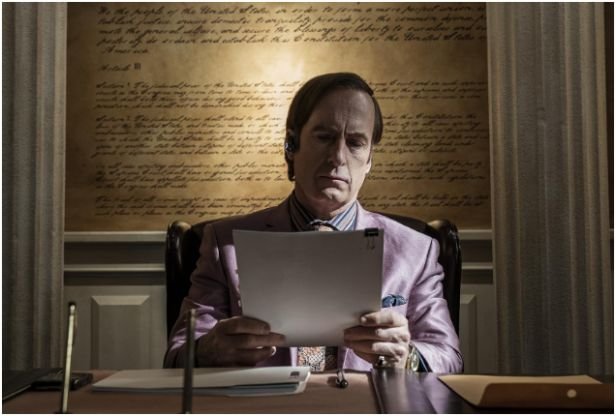
Here are some of the most highly-rated finales and why they work—without ruining anything:
- Better Call Saul — Deep, reflective, and character-driven
- Mr. Robot — Emotional and layered with meaning
- Succession — Brutally honest and true to its tone
- Avatar: The Last Airbender — Epic but emotionally grounded
- MAS*H — Realistic, powerful, and unforgettable
What I’ve noticed is that these endings don’t rely on shock—they rely on consistency.
How To Series Ending Explained Without Spoilers
When I want to understand a finale without ruining it, I follow a simple process.
First, I focus on the characters, not the events. Ask yourself what each character has learned or become. That alone explains most endings.
Next, I look at the main theme of the show. Is it about power, identity, love, or survival? The ending usually reinforces that message.
Then, I pay attention to tone. If the show has always been dark, don’t expect a happy ending. Understanding tone helps set the right expectations.
After that, I think about emotional impact. Did the ending feel calm, intense, or unresolved? That feeling is often the real explanation.
Finally, I avoid reading detailed breakdowns until after watching. This one habit changed everything for me.
Why Do Some Endings Feel “Bad” Even When They’re Not?

I used to think a bad ending meant poor writing. Now I see it differently.
Sometimes, the ending feels unsatisfying because it doesn’t match expectations. If you expect a clean resolution but get ambiguity, it can feel wrong—even if it’s intentional.
Another reason is emotional discomfort. Some endings are meant to feel uneasy. That doesn’t make them bad—it makes them honest.
FAQs About Series Ending Explained Without Spoilers
1. Can you really explain an ending without spoilers?
Yes. By focusing on themes, tone, and character growth, you can understand the meaning without revealing plot details.
2. Why are some endings intentionally confusing?
Some creators want viewers to interpret the story themselves. Ambiguity keeps the conversation going even after the show ends.
3. Should I read explanations before watching the finale?
I don’t recommend it. Watch first, then read a spoiler-free explanation to deepen your understanding.
4. What is the best example of a perfect finale?
Many consider Six Feet Under one of the best because it balances closure, emotion, and storytelling perfectly.
The Ending Isn’t the End (Here’s What I’ve Learned)
Understanding a series ending explained without spoilers completely changed how I watch shows.
I stopped chasing answers and started paying attention to meaning. That shift made even confusing finales feel intentional and satisfying.
Here’s a quick way I now look at endings:
| Element | What To Focus On |
| Characters | How they changed |
| Theme | What the story is saying |
| Tone | The emotional direction |
| Ending Style | Clear, ambiguous, or symbolic |
My personal tip? Don’t rush to “get” the ending. Sit with it for a bit. The best finales aren’t always the clearest—they’re the ones that stay with you.
Disclaimer: All images used in this blog are for editorial and informational purposes only. The visuals are either AI-generated or sourced from IMDb. They do not represent actual events or endorse any specific brands or individuals. All trademarks, logos, and copyrighted materials belong to their respective owners.