

You don’t really notice when computing changes. It just… happens quietly. One day, your phone feels faster, apps respond instantly, and systems somehow “know” what you need before you even search. That shift isn’t random; it’s the result of something much bigger building underneath: next-generation computing systems.
I’ve seen this change become more obvious in how businesses operate. What used to take hours of data analysis, decision-making, and even predictions now happens almost instantly. And it’s not just speed. It’s intelligence. Systems are no longer just processing information; they’re interpreting it, learning from it, and acting on it.
The Shift Beyond Traditional Computing
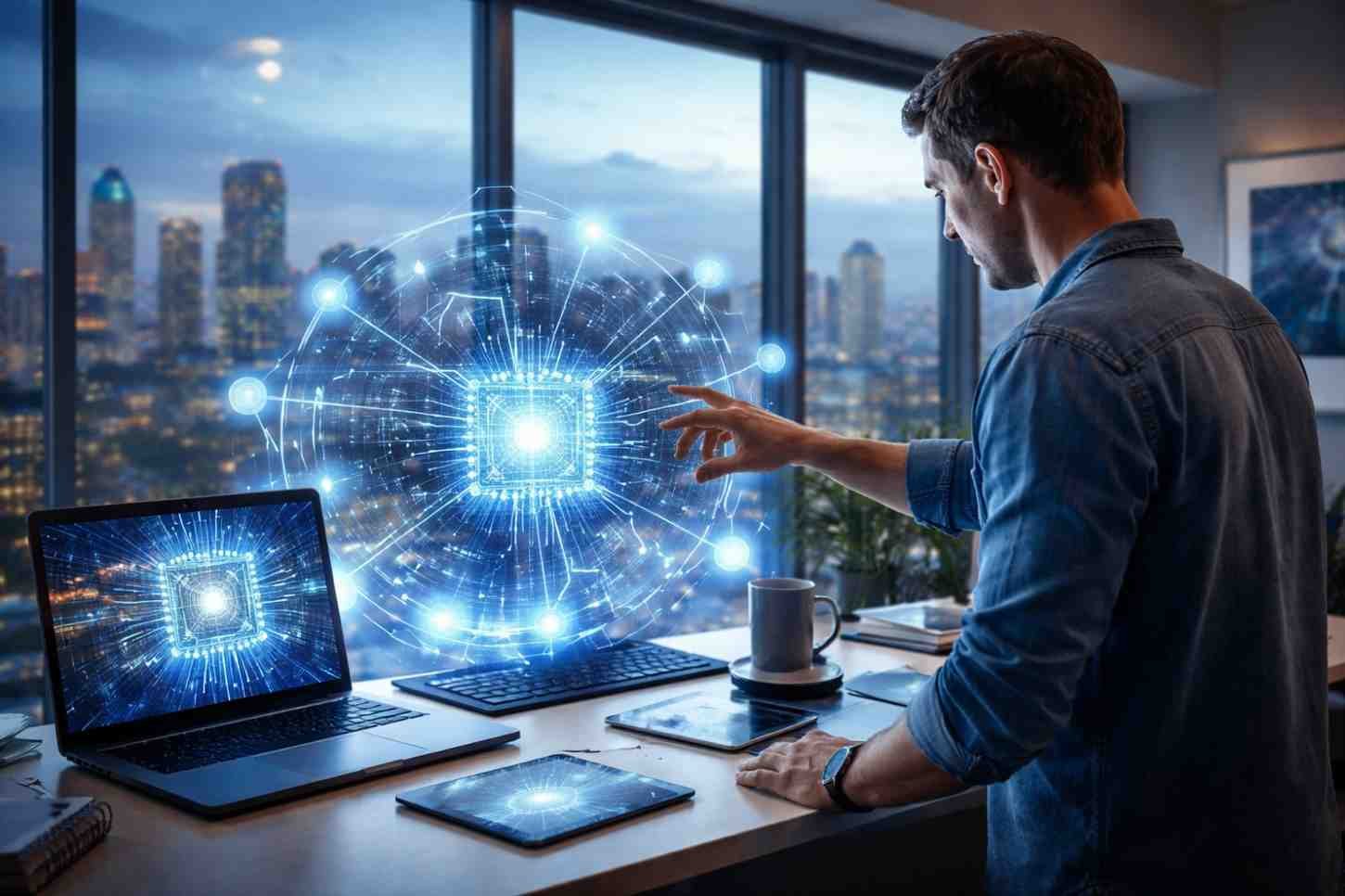
For decades, computing relied on silicon-based systems that followed a predictable growth pattern. But that model is hitting limits. Processing power isn’t scaling the way it used to, and modern problems like real-time simulations or massive data analysis demand something entirely different.
That’s where next-generation computing systems come in. Instead of just improving old systems, they introduce completely new ways of computing. These systems are built to handle complexity, operate with higher efficiency, and move toward real-time intelligence rather than delayed outputs.
This shift is closely tied to how software is changing, the future of data intelligence, where systems are evolving from tools into decision-making engines that adapt continuously.
Core Technologies Driving This Transformation
Quantum Computing: Solving What Was Never Possible

Quantum computing changes the rules entirely. Instead of traditional bits, it uses qubits that can exist in multiple states at once. That means problems that would take years can potentially be solved in minutes.
You’ll see its impact most in areas like:
- Drug discovery (simulating molecules faster)
- Financial modeling (complex risk calculations)
- Cryptography (both breaking and securing systems)
It’s not mainstream yet, but the direction is clear; it’s built for problems traditional systems simply can’t handle.
Neuromorphic Computing: Machines That Think Like Brains
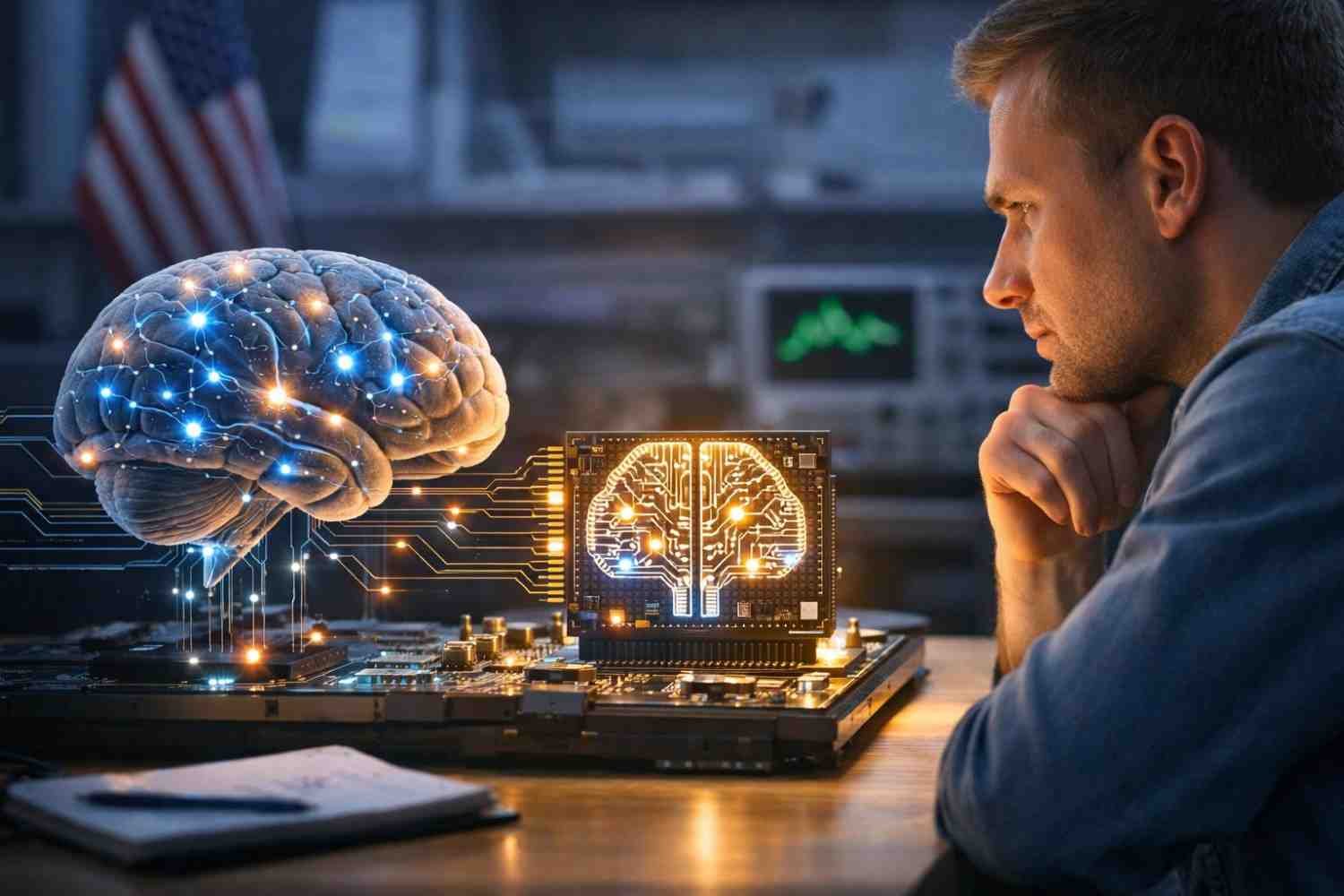
This one feels closer to science fiction, but it’s already happening. Neuromorphic systems mimic how the human brain works. Instead of constantly processing data, they activate only when needed.
That leads to:
- Extremely low power consumption
- Real-time responsiveness
- Better performance in environments like robotics and autonomous systems
This is where computing starts to feel less mechanical and more adaptive.
Edge Computing: Real-Time Without Delay
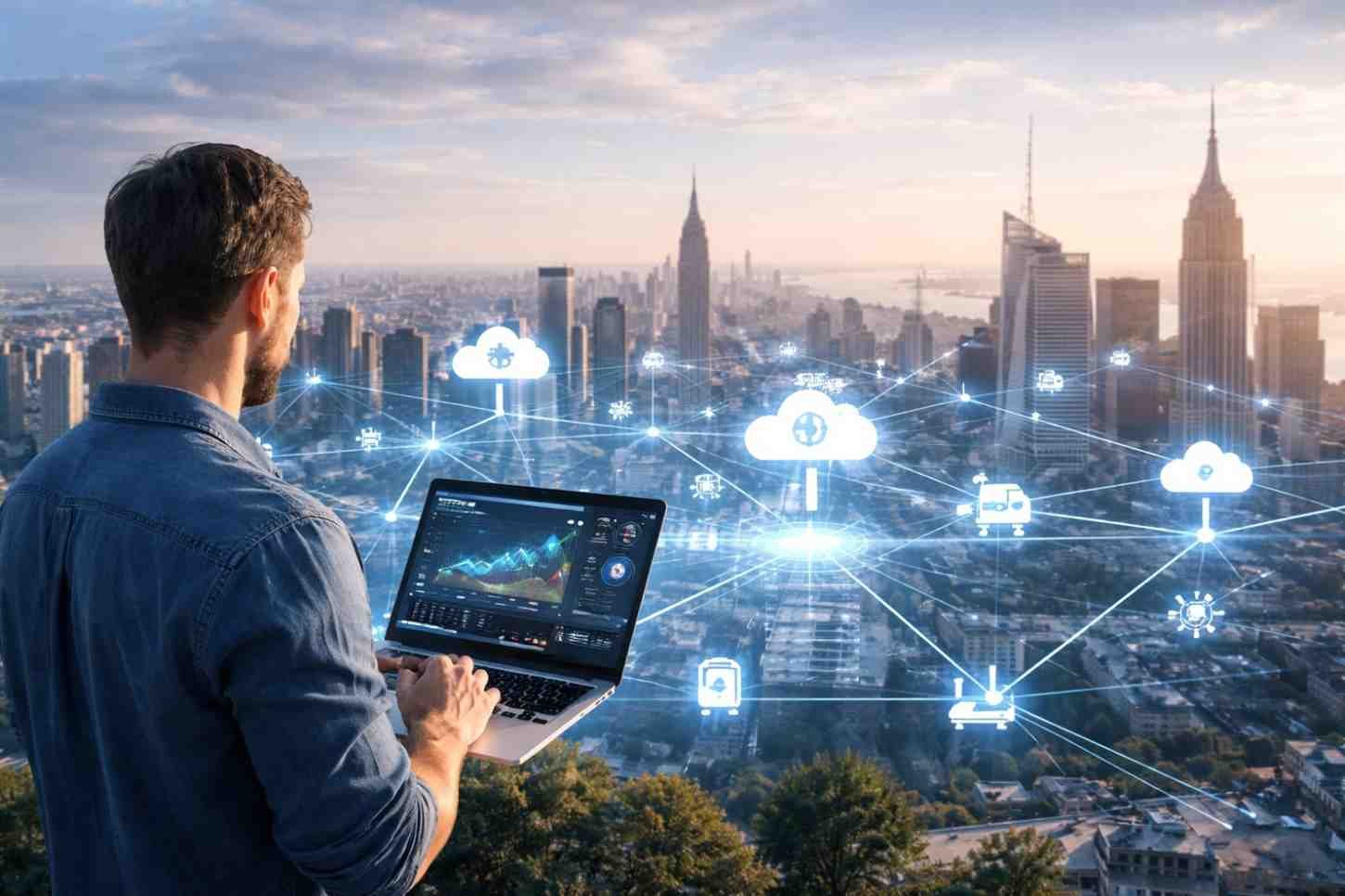
You’ve probably experienced lag when systems take time to respond because data has to travel back and forth to distant servers. Edge computing removes that delay.
It processes data right where it’s generated.
That’s why it’s critical for:
- Smart devices
- Real-time monitoring systems
- Connected environments
Instead of waiting for responses, systems react instantly. That’s a massive shift in how computing supports real-world operations.
Photonic Computing: Speed Without Heat
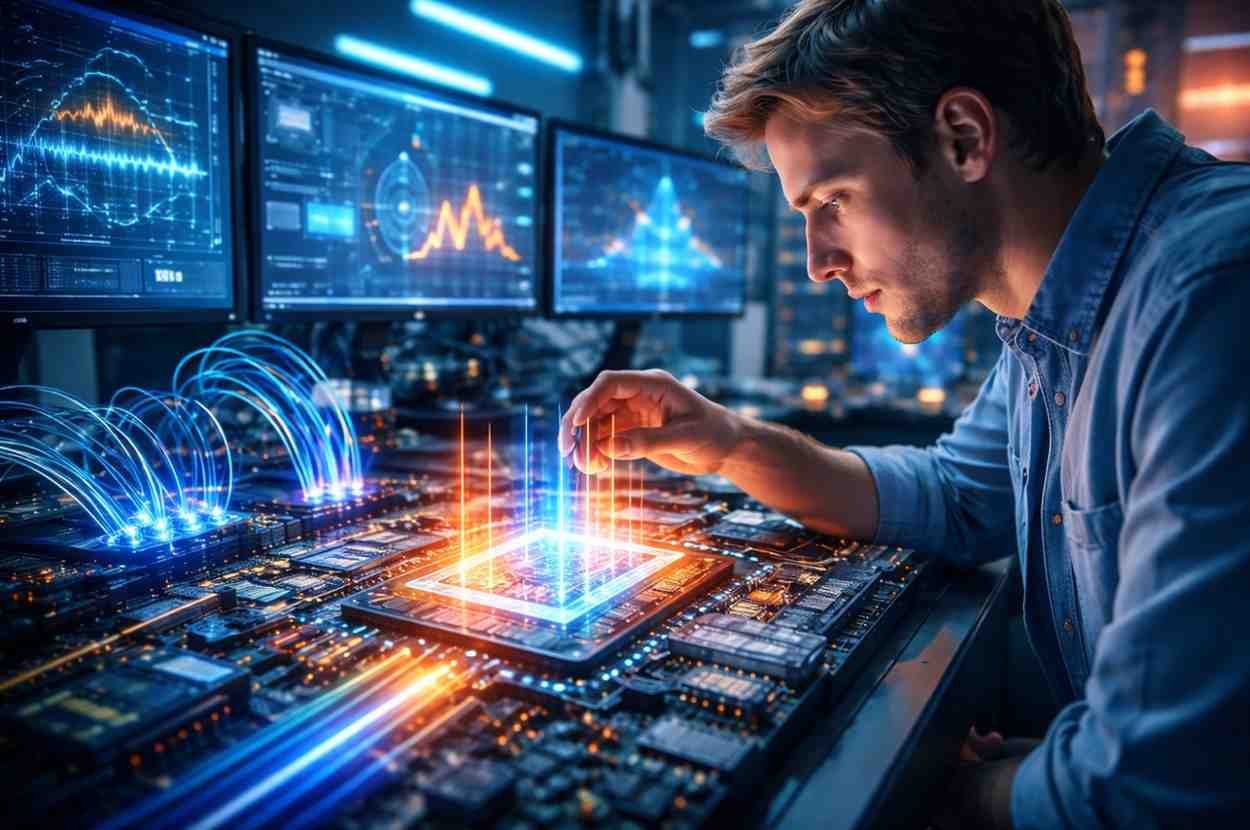
Traditional systems use electrons. Photonic computing uses light.
That change alone unlocks:
- Faster data transmission
- Lower energy consumption
- Reduced heat generation
It’s especially important for data centers and high-performance computing environments where efficiency matters as much as speed.
How This Actually Changes Digital Innovation?
This isn’t just about better machines, it’s about what those machines enable.
Healthcare Is Becoming Predictive, Not Reactive
Instead of treating problems after they happen, systems can now simulate and predict outcomes. Quantum computing allows deeper analysis of biological systems, while neuromorphic chips power wearable devices that track health in real time without draining the battery.
That changes the entire approach from treatment to prevention.
Finance Is Moving Toward Precision Decision-Making
Financial systems rely heavily on predictions. With advanced computing, those predictions become sharper.
We’re talking about:
- More accurate risk modeling
- Faster fraud detection
- Smarter portfolio optimization
It’s not just faster decisions, it’s better ones.
Manufacturing Is Becoming Self-Optimizing
Factories are no longer static environments. With edge computing and digital twins, production systems can adjust in real time.
Machines can:
- Detect inefficiencies instantly
- Predict maintenance needs
- Optimize output without human intervention
That’s where automation becomes intelligent rather than repetitive.
Security Is Entering a New Era
As computing evolves, so do threats. But next-generation systems are also redefining security.
Quantum-based systems are already being explored to create:
- Ultra-secure communication networks
- Encryption methods resistant to future attacks
It’s a race between breaking systems and securing them, and computing is at the center of it.
What Makes These Systems Different From Before?
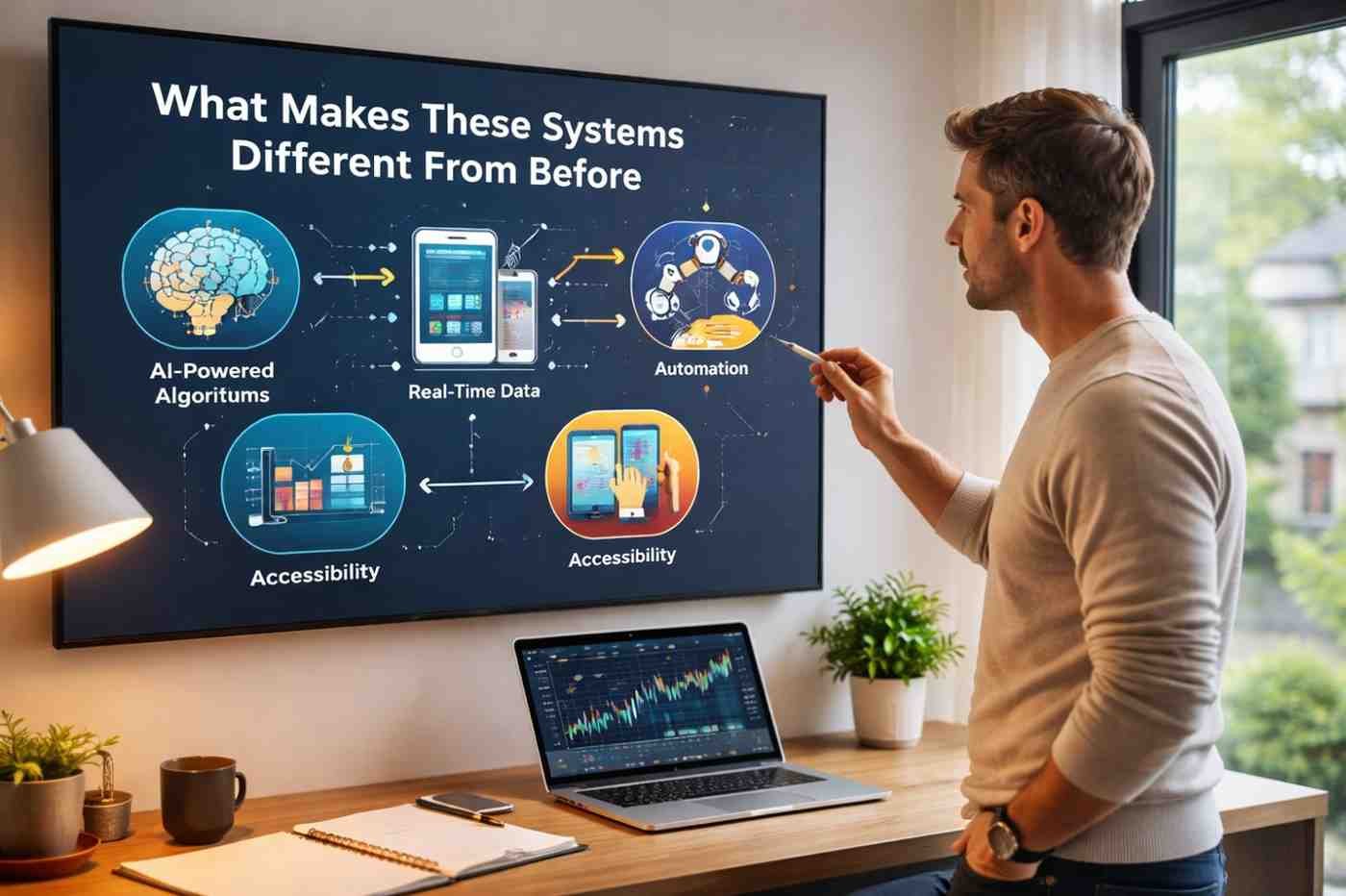
The biggest difference isn’t just performance, it’s behavior.
Traditional systems:
- Process data
- Follow instructions
- Deliver outputs
Next generation systems:
- Learn from data
- Adapt in real time
- Make decisions
That shift from passive tools to active systems is what defines modern computing.
The Challenges No One Talks About Enough
As promising as this all sounds, there are real obstacles slowing things down.
1. Infrastructure Complexity
Switching to advanced computing systems isn’t plug-and-play. It often requires rebuilding entire tech stacks to make everything compatible.
2. Talent Gap
There aren’t enough professionals who truly understand how to build or manage these systems. Especially in areas like quantum computing, expertise is still limited.
Where This Is Headed Next
We’re moving toward a world where computing systems don’t just support decisions, they make them.
You’ll see:
- More autonomous systems
- Faster real-time processing
- Tighter integration between technologies
And most importantly, systems that feel less like tools and more like intelligent environments.
FAQs: What Next Generation Computing Systems Mean for the Future of Digital Innovation
1. What are next-generation computing systems in simple terms?
They are advanced computing technologies that go beyond traditional systems, using new architectures like quantum and edge computing to process data faster and more intelligently.
2. Why are next-generation computing systems important?
They enable faster decision-making, real-time processing, and the ability to solve complex problems that older systems cannot handle efficiently.
3. How is quantum computing different from traditional computing?
Quantum computing uses qubits instead of bits, allowing it to process multiple possibilities at once, making it much more powerful for certain complex tasks.
4. What industries benefit the most from these systems?
Healthcare, finance, manufacturing, and cybersecurity are among the biggest beneficiaries due to their need for speed, accuracy, and real-time insights.
Wrapping Thoughts
What stands out the most isn’t just how powerful these systems are becoming, it’s how quietly they’re integrating into everything. You don’t need to understand quantum physics or system architecture to feel the impact. It shows up in faster decisions, smarter tools, and systems that seem to anticipate needs before they’re even clear.
And this is just the beginning. As these technologies mature, the line between computing and intelligence will blur even further. What we’re seeing now is less about evolution and more about a complete shift in how technology operates.