
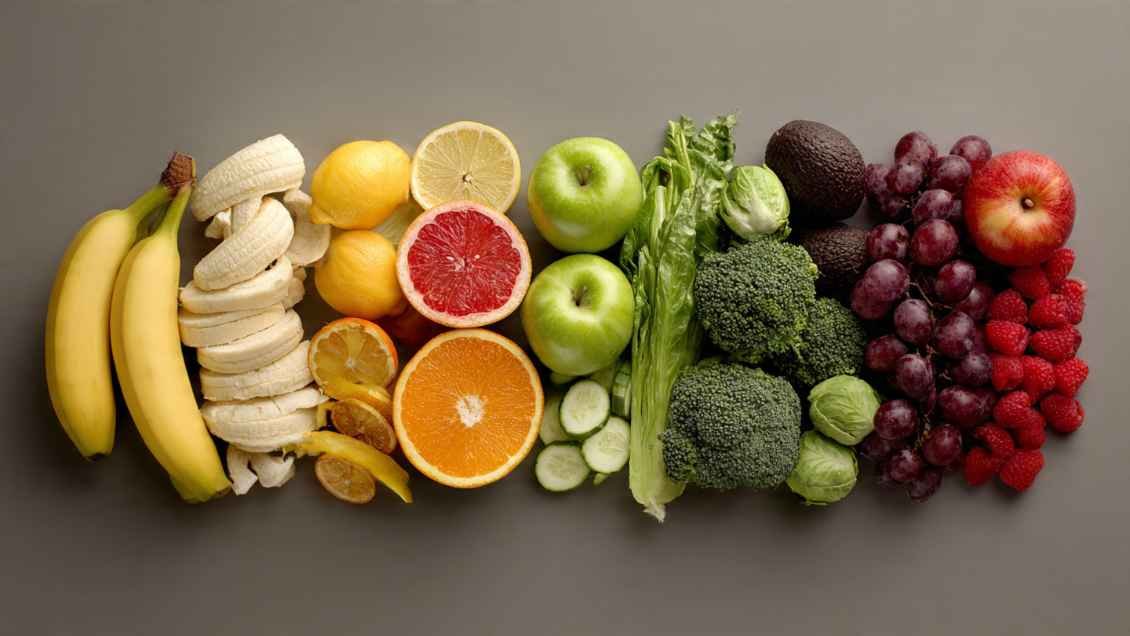
Fruits and vegetables support your body by providing essential nutrients like vitamins, minerals, fiber, and antioxidants. These nutrients help your body function properly, protect against diseases, and improve overall wellbeing.
They are naturally low in calories but rich in nutrients, which makes them one of the most effective ways to support long-term health. When you include a variety of fruits and vegetables in your daily meals, you give your body the support it needs to stay active, balanced, and protected.
Key Takeaways
- Provide essential vitamins, minerals, and antioxidants
- Support heart health and help manage blood pressure
- Improve digestion and gut health
- Strengthen the immune system
- Help with weight management and disease prevention
Why Fruits and Vegetables Are So Powerful for Your Body
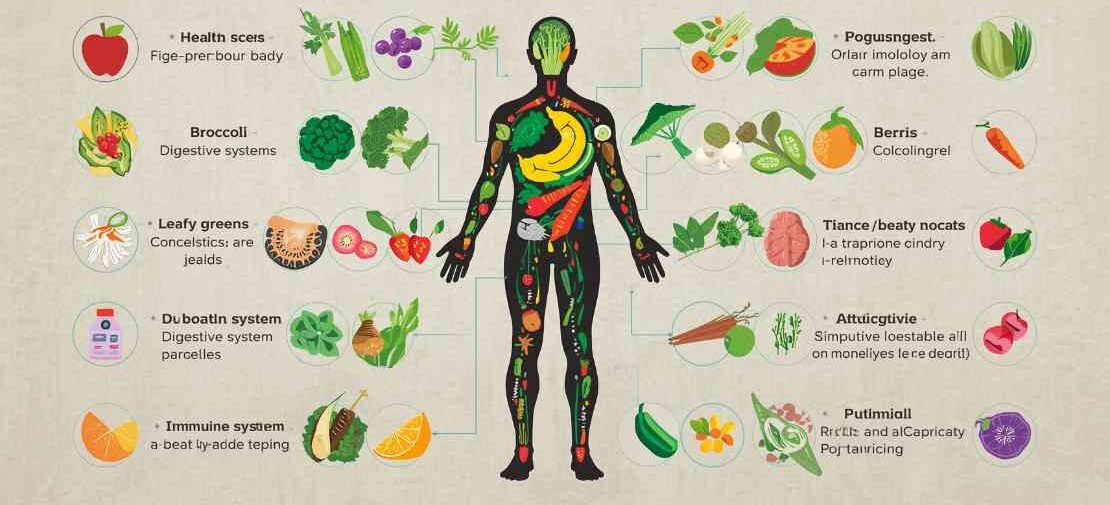
Fruits and vegetables are known as nutrient-dense foods, which means they provide a high amount of nutrients without adding too many calories.
They also contain phytonutrients, which are natural plant compounds that help reduce inflammation and protect your cells from damage. These compounds play an important role in supporting your body over time.
Unlike processed foods, fruits and vegetables support multiple systems in your body at once, making them a simple and effective addition to your daily routine.
Key Health Benefits and How They Support Your Body
Heart Health and Blood Pressure

Fruits like berries and citrus fruits, along with vegetables, are rich in potassium and fiber. These nutrients help regulate blood pressure and support healthy blood flow.
A diet that includes a variety of fruits and vegetables is linked to a lower risk of heart disease and stroke because it helps maintain heart health and balance cholesterol levels.
Immune System Support
Fruits and vegetables are packed with vitamin C and antioxidants, which help your body fight harmful substances known as free radicals.
This strengthens your immune system and helps your body respond better to infections and everyday health challenges.
Digestive Health
Fruits and vegetables are rich in dietary fiber, which helps your digestive system function smoothly.
Fiber supports regular bowel movements and helps maintain a healthy gut. A healthy digestive system also improves how your body absorbs nutrients from food.
Weight Management
Because fruits and vegetables are low in calories but high in fiber and water content, they help you feel full without overeating.
This makes them helpful for managing weight in a natural and sustainable way.
Disease Prevention
Regular consumption of fruits and vegetables is associated with a reduced risk of chronic conditions such as heart disease, type 2 diabetes, and certain cancers.
The combination of antioxidants, fiber, and phytonutrients helps protect your cells and supports long-term health.
Vision and Skin Health
Some fruits and vegetables play a key role in maintaining healthy eyes and skin.
Orange vegetables like carrots and sweet potatoes are rich in vitamin A, which supports vision. Leafy greens provide nutrients that help protect your eyes and skin over time.
Nutrient Powerhouses by Type
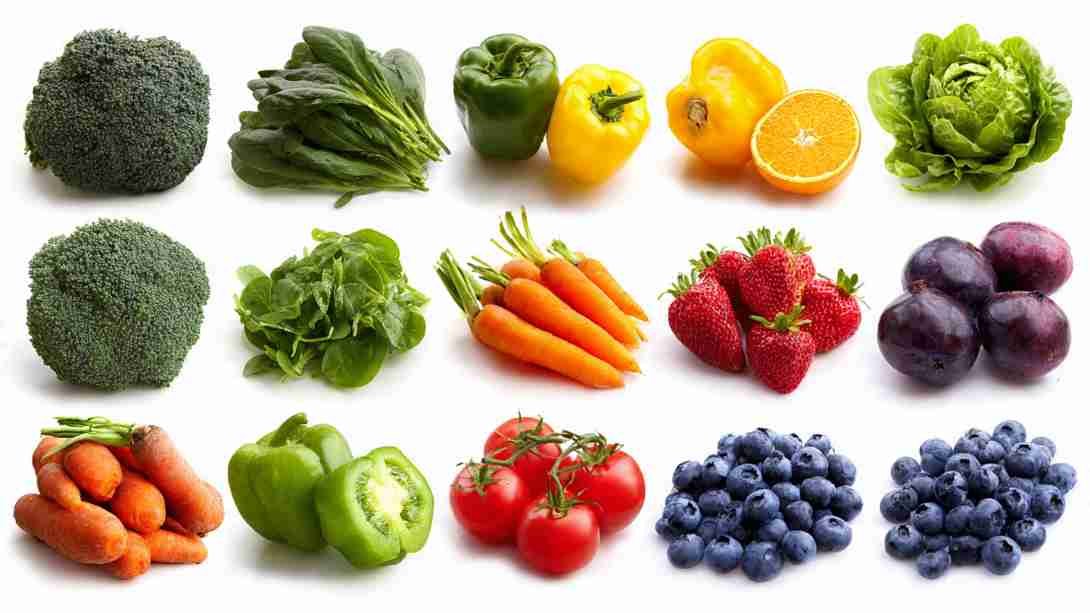
Not all fruits and vegetables provide the same benefits, which is why variety is important. Different colors often represent different nutrients.
- Dark green leafy vegetables like spinach and broccoli are rich in iron, calcium, and antioxidants
- Orange and yellow produce such as carrots and sweet potatoes provide carotenoids and vitamin A
- Red fruits and vegetables like tomatoes and watermelon contain lycopene, which supports heart health
- Blue and purple fruits such as blueberries and grapes are rich in compounds that support brain function
Eating a mix of these helps ensure your body receives a wide range of nutrients.
How Much Should You Eat Daily?
To get the most benefit, it is recommended to eat at least four to five portions of fruits and vegetables each day.
You can include them across your meals by adding fruits to breakfast, vegetables to lunch and dinner, and using them as snacks. The goal is to build consistency rather than aiming for perfection.
Frequently Asked Questions
1. Why are fruits and vegetables important for your body?
Fruits and vegetables provide essential nutrients that support digestion, immunity, and overall body function. They also help protect against long-term health issues.
2. Can fruits replace vegetables in your diet?
Fruits and vegetables offer different nutrients, so both are important. A balanced diet should include a mix of both rather than replacing one with the other.
3. How many servings of fruits and vegetables should you eat daily?
Most recommendations suggest at least four to five servings per day to support overall health and wellbeing.
4. Are frozen fruits and vegetables healthy?
Yes, frozen fruits and vegetables can be just as nutritious as fresh ones if they are not processed with added sugar or salt.
5. Do fruits and vegetables help with weight management?
Yes, they are low in calories and high in fiber, which helps you feel full and prevents overeating.
Why Fruits and Vegetables Are Essential for Your Daily Health
Fruits and vegetables are one of the simplest ways to support your body every day. They improve digestion, boost immunity, and help protect against disease while keeping your energy levels stable.
You don’t need to follow a strict diet or make major changes overnight. Adding more fruits and vegetables gradually into your meals can lead to lasting improvements in how you feel.
If you are looking for a simple habit that supports both your body and overall wellbeing, honestly, One of the simplest ways I started was by following a few daily health habits that improve life.