
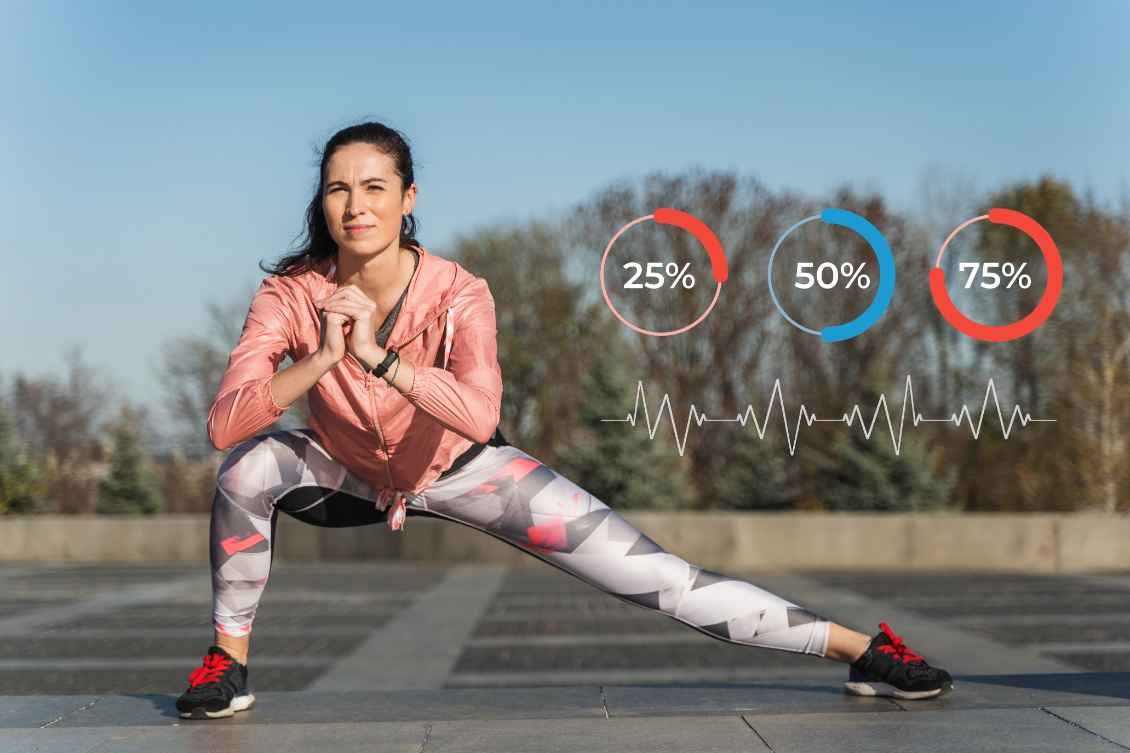
Exercise doesn’t just change how you look — it transforms how your body works from the inside out. If you’re wondering how exercise changes your body over time, the answer lies in a series of gradual biological adaptations that improve your strength, energy, metabolism, and even brain function.
Some benefits start within minutes, while others take weeks or months to become visible. When I first started exercising, I expected physical changes. But what I noticed first was better energy, improved mood, and clearer thinking. The physical transformation came later.
Understanding this timeline helps you stay patient and consistent.
What Happens to Your Body Immediately After Exercise
The moment you start exercising, your body begins to respond.
Within the first few minutes, your heart rate increases, and blood flow is redirected from less active areas like digestion to your muscles. This allows your body to deliver oxygen and nutrients where they are needed most.
At the same time, your brain becomes more alert. You may feel more focused and awake because your body is supplying more oxygen to your brain.
Even in this early stage, your body is already adapting.
Changes Within the First 24 Hours
After your workout, your body begins the recovery process. This is when many people experience muscle soreness, often called delayed onset muscle soreness (DOMS).
This soreness happens because tiny muscle fibers break down during exercise. While it may feel uncomfortable, it is actually a sign that your muscles are repairing and becoming stronger.
Your body also starts replenishing energy stores and adapting to the stress you placed on it. This recovery phase is just as important as the workout itself.
Changes in the First 4 Weeks
During the first few weeks, your body becomes more efficient rather than visibly different.
This stage is often called “beginner gains.” Your nervous system improves its ability to activate muscle fibers, which makes you feel stronger even before your muscles grow in size.
At the same time, your cells begin producing more mitochondria. These are responsible for energy production, so as they increase, your overall energy levels improve.
I remember this phase clearly because daily tasks started feeling easier, even though my body didn’t look very different yet.
Changes After 2 to 4 Months
After a couple of months of consistent exercise, visible changes start to appear.
Your muscles become more defined, and your body fat may begin to decrease. This is when muscle growth, also known as hypertrophy, becomes noticeable.
Your cardiovascular system also improves. Your heart becomes stronger and more efficient, which can lower your resting heart rate. This means your heart doesn’t have to work as hard to pump blood.
At this stage, you not only feel stronger but also start seeing the results of your effort.
Long-Term Changes (6 Months to 1 Year)
With long-term consistency, exercise creates deeper and more lasting transformations.
Your bones become stronger as your body increases bone density, especially with weight-bearing exercises. Your tendons and joints also become more resilient, reducing the risk of injury.
Your immune system improves, making it easier for your body to fight off illness. These changes are not always visible, but they play a major role in long-term health.
Looking back, this is the stage where exercise stopped feeling like effort and became part of my routine.
How Exercise Improves Cardiovascular Health
One of the biggest long-term benefits of exercise is improved heart health.
Over time, your heart becomes stronger and pumps more blood with each beat. This is known as increased stroke volume. As a result, your body becomes more efficient at delivering oxygen to your muscles and organs everyday
This reduces fatigue and improves overall endurance, making activities feel easier.
How Exercise Changes Your Metabolism

Exercise has a powerful effect on how your body uses energy.
It improves insulin sensitivity, which helps your body regulate blood sugar more effectively. This reduces the risk of energy crashes and supports long-term metabolic health.
Regular exercise can also increase your resting metabolic rate. This means your body burns more calories even when you are not actively moving.
This is one of the key reasons exercise supports sustainable weight management. One of the simplest ways I started was by following a few immune system boosting tips that fit easily into my daily routine.
How Exercise Transforms Your Brain
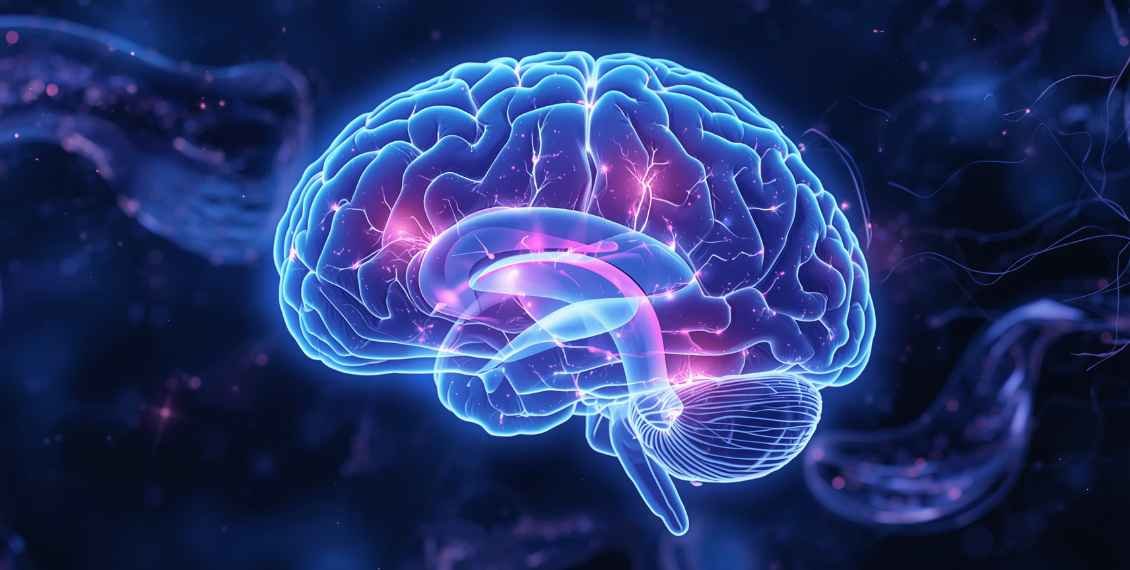
One of the most underrated effects of exercise is its impact on the brain.
Physical activity triggers the release of a protein called brain-derived neurotrophic factor (BDNF). This supports the growth of new brain cells and improves memory and learning.
Exercise also helps regulate mood-related chemicals like serotonin and dopamine. This is why regular activity can reduce stress, improve mood, and even support mental health.
I personally noticed that my focus improved significantly once I made exercise a regular habit.
How Exercise Strengthens Bones and Muscles
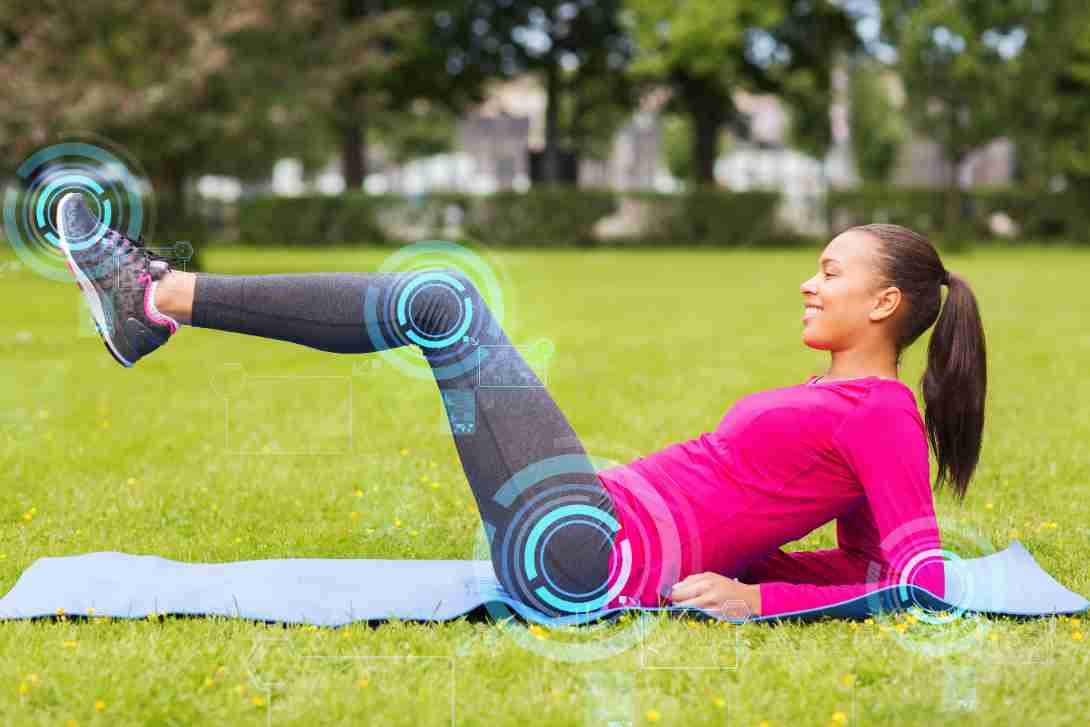
Exercise helps build stronger muscles by stimulating repair and growth. Over time, this leads to increased strength, stability, and endurance.
Weight-bearing exercises also stimulate bone remodeling, which increases bone density. This is especially important for long-term health, as it helps prevent conditions like osteoporosis.
These structural improvements make your body more resilient and capable.
Simple Timeline of Body Changes
To make it easier to understand, here is a simplified timeline:
- First 10 minutes: Increased heart rate, improved alertness
- First 24 hours: Muscle soreness and recovery begin
- Weeks 1–4: Increased strength and energy, improved efficiency
- Months 2–4: Visible muscle growth and fat loss
- 6 months to 1 year: Stronger bones, better heart health, long-term improvements
While results vary from person to person, this pattern is common.
Common Mistakes to Avoid
Many people expect quick results and lose motivation when they don’t see immediate changes.
One common mistake is focusing only on appearance rather than overall health improvements. Another is doing too much too soon, which can lead to burnout or injury.
Skipping consistency is another major issue. Exercise works best when done regularly over time.
Focusing on steady progress will always lead to better results.
Frequently Asked Questions
1. How quickly does exercise start affecting your body?
Exercise starts affecting your body within minutes by increasing heart rate and blood flow. Mental benefits like improved mood can also happen quickly.
2. When do visible changes from exercise appear?
Visible changes usually appear after 8 to 12 weeks of consistent exercise, depending on your routine and lifestyle.
3. Does exercise improve brain function?
Yes, exercise supports brain health by increasing blood flow and promoting the growth of new brain cells, which improves memory and focus.
4. Can exercise change your metabolism?
Regular exercise improves metabolism by increasing energy usage and improving how your body processes nutrients.
5. Is long-term exercise necessary?
Yes, long-term consistency is important to maintain and build lasting health benefits.
Why Exercise Is a Long-Term Investment in Your Body
Understanding how exercise changes your body over time helps you stay patient and committed.
The biggest benefits do not come from a single workout but from consistent effort over weeks, months, and years. Exercise improves your body in ways that go far beyond appearance. It strengthens your heart, sharpens your mind, and builds a foundation for long-term health.
You don’t need to be perfect or extreme. Small, consistent actions are enough to create meaningful change.
If you stick with it and follow a few daily health habits that improve life, exercise becomes one of the most powerful habits you can build for your body and your overall wellbeing.