
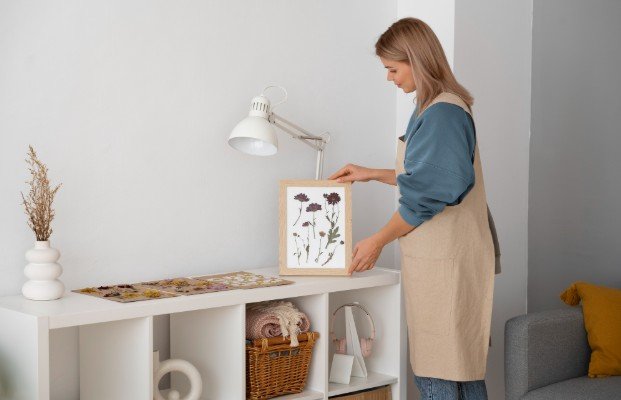
A well-organized home meant having more baskets, prettier labels, or a full weekend to reset everything. What actually changed things for me was building simple systems that fit real life. When mornings felt rushed, papers piled up, and random items kept landing on every surface, I realized I did not need perfection. I needed practical home organization ideas I could stick with on busy days.
That is why home organization ideas for busy families work best when they are easy to maintain, quick to use, and realistic for everyday routines. Instead of trying to organize everything at once, I focus on the areas that create the most stress. Once those spaces work better, the whole house starts feeling calmer.
Why Family Organization Often Falls Apart
Most homes do not get messy because people are lazy. They get messy because there is no clear system for where things go when life gets busy. If backpacks land in one corner, shoes in another, and school papers on the kitchen counter, clutter builds fast.
I have found that the biggest problem is friction. When putting something away takes too many steps, nobody keeps up with it. That is why the best organizing systems feel almost automatic. You should be able to drop, sort, store, and find things without overthinking it.
Start With the Spaces You Use the Most
Before I buy containers or rearrange shelves, I look at the places my family touches every day. These high-traffic zones usually include the entryway, kitchen, living room, laundry area, and kids’ spaces. If these spots stay under control, the rest of the home feels easier to manage.
I also avoid organizing low-priority spaces first. It may feel satisfying to clean out a guest room closet, but that will not solve the daily chaos caused by shoes by the door or unopened papers on the counter.
Create an Entryway Drop Zone
Give Everyday Items a Landing Spot
The entryway is often where clutter begins. Shoes, keys, bags, lunch boxes, and jackets tend to pile up the moment everyone walks in. I like to create a simple drop zone with hooks, a narrow bench, baskets, and a tray for small essentials.
Each person should have a clear place for the items they use every day. When there is one obvious home for a backpack or pair of shoes, cleanup becomes much easier.
Keep It Simple Enough to Maintain
I do not overdesign this area. Too many bins or complicated storage rules usually backfire. A few easy-access hooks and open containers work better than systems that take extra effort.
Build a Kitchen That Supports Busy Days
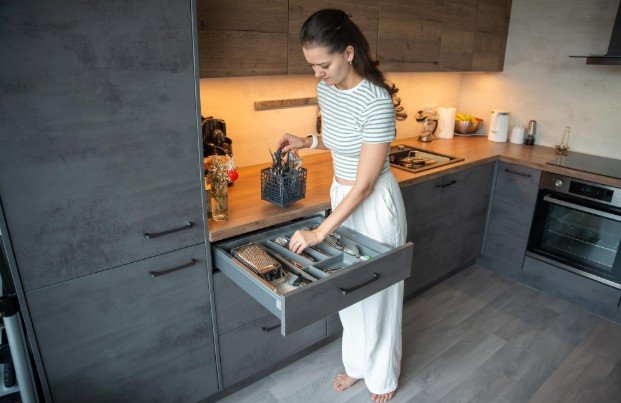
Use Zones for Snacks, Lunches, and Meal Prep
The kitchen stays more organized when it is set up around routines. I keep snacks together, lunch supplies in one area, and meal prep tools where I can reach them quickly. This saves time and cuts down on random searching during hectic mornings.
One of the smartest changes I made was creating a small section for grab-and-go items. It made school mornings feel less chaotic and reduced clutter on the counters.
Clear Counters Make a Big Difference
I try not to let counters become storage. When counters stay mostly clear, the whole kitchen feels cleaner and more functional. Appliances, papers, and random items should have assigned homes so the room can support everyday use instead of constant cleanup.
Set Up a Family Paper System
Papers can take over fast if you do not manage them right away. School forms, receipts, mail, schedules, and artwork all need a place to go. I use a simple system with one tray for action items, one folder for school papers, and one bin for keepsakes.
This is one of the most helpful parts of home organization ideas for busy families because paper clutter creates visual stress faster than almost anything else. Once I started handling paper daily instead of letting it pile up, the house felt lighter almost immediately.
Make Kid Spaces Easy to Reset
Use Fewer Toys and Better Categories
I do not try to organize every toy individually. Instead, I sort by category. Building toys go together, art supplies stay together, and puzzles have one shared spot. This helps kids know where things belong and makes cleanup easier.
I also believe fewer visible items lead to better habits. Rotating toys instead of keeping everything out at once helps reduce mess and keeps the space manageable.
Choose Storage Kids Can Actually Use
If a child cannot reach the shelf or open the bin, the system will not last. Low baskets, open cubbies, and clear labels make a big difference. The goal is not just a tidy room. It is a room children can help maintain.
Organize Around Daily Routines
That shift led me to better home organization ideas for busy families because it made every system more practical. A homework station with pencils, chargers, and notebooks makes more sense than storing those things in separate rooms. A laundry basket where clothes are actually dropped works better than one placed where I wish they would go.
Use a 10-Minute Evening Reset
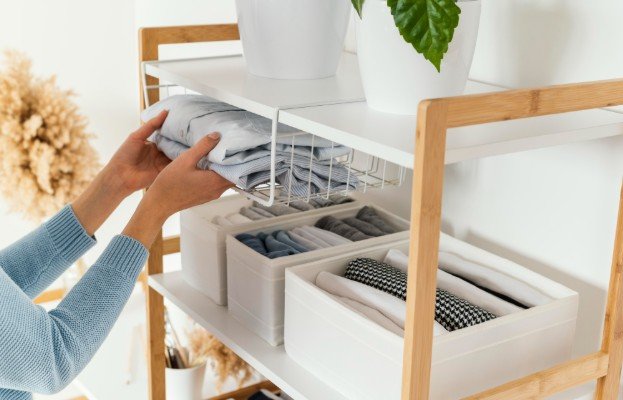
A short reset at the end of the day keeps small messes from turning into overwhelming ones. I spend a few minutes putting away loose items, clearing surfaces, and prepping for the next morning. That tiny habit has saved me from countless stressful starts.
I do not aim for a perfect house at night. I just try to create a better starting point for tomorrow. That feels realistic, and it is much easier to stick with.
Choose Storage That Solves Real Problems
Storage should support your habits, not just look good on a shelf. I prefer baskets for fast cleanup, drawer dividers for small items, hooks for daily essentials, and labeled bins for categories that tend to spread out.
The best solutions are the ones that make life easier in the moment. If a storage tool adds extra steps, I skip it. Good organization should reduce effort, not create more work.
How to Keep an Organized Home Without Constantly Cleaning
The secret is not doing more. It is making better decisions once, then repeating them. When each item has a home and each routine has a simple flow, the house becomes easier to manage.
I remind myself that organized homes are not built in one day. They are built through small systems that support real life. That mindset has helped me stay consistent without feeling overwhelmed.
Frequently Asked Questions
1. What are the best home organization ideas for busy families?
The best ideas are simple daily systems like entryway drop zones, paper stations, snack areas, toy categories, and short evening resets that are easy for everyone to follow.
2. How do I organize my house when I have no time?
Start with one high-stress area like the entryway or kitchen. Focus on function first, create easy homes for daily items, and build from there.
3. How can I get my kids to help keep the house organized?
Use storage they can reach, keep instructions simple, and group similar items together. Kids are more likely to help when the system feels easy and clear.
A Calmer Home Starts With Simpler Systems
What finally worked for me was letting go of the idea that organization had to look perfect. I stopped chasing complicated setups and started building systems that supported how my home actually functions each day.
If your house feels messy more often than you would like, start small and stay practical. A few smart changes in the right places can shift the whole rhythm of your home. Over time, those small wins add up, and the space begins to feel easier to live in, not just nicer to look at.