
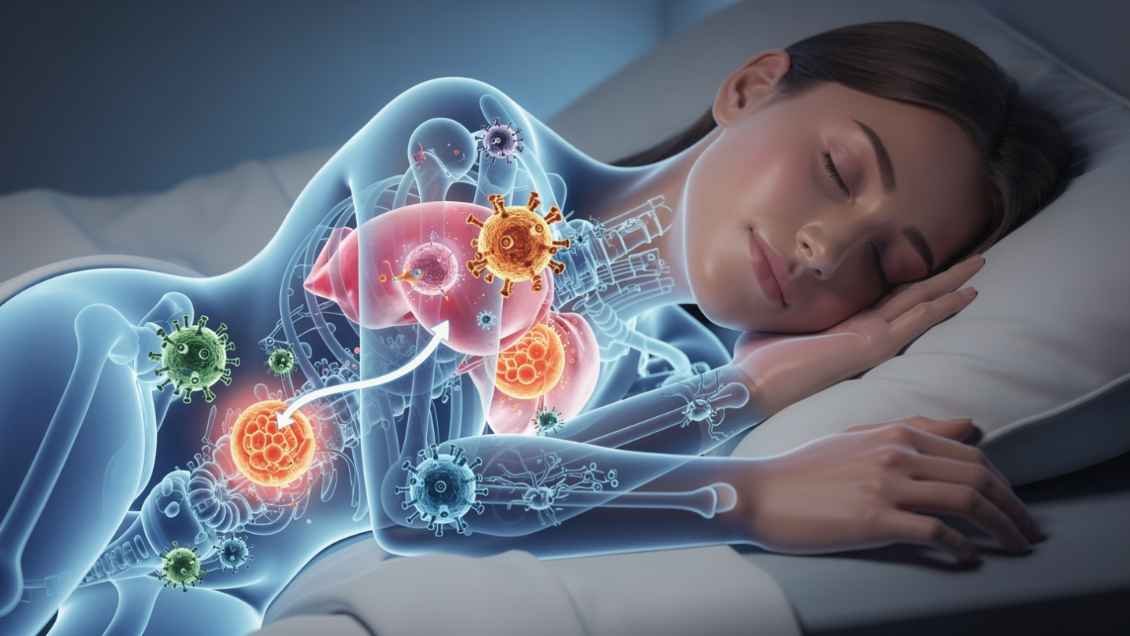
I used to think sleep was just about resting and feeling less tired the next day. But once I started learning what actually happens in the body during sleep, it completely changed how I approached it. Sleep isn’t just downtime—it’s when your body does some of its most important work.
These health facts about sleep and energy helped me understand why I felt exhausted some days even when I thought I was doing everything right. And more importantly, they showed me how small changes in sleep habits can completely improve energy, focus, and overall health.
Key Takeaways
- Sleep is when your body repairs and restores itself
- Energy levels depend heavily on sleep quality, not just hours
- Poor sleep affects metabolism, hunger, and focus
- Simple habits can dramatically improve sleep and daily energy
Why Sleep Is Essential for Energy
Sleep is not optional. It’s a biological necessity. During sleep, your body goes into a repair and reset mode that you simply can’t replace with anything else.
Most adults need around 7 to 9 hours of quality sleep to function at their best. But what I realized is that it’s not just about the number of hours—it’s about how well you sleep during that time.
When your sleep is consistent and deep, you wake up with natural energy. When it’s not, everything feels harder, from thinking clearly to staying active.
1. Your Body Repairs Itself During Deep Sleep
One of the most important stages of sleep is deep sleep. This is when your body focuses on physical recovery.
During this stage, your body produces more energy at a cellular level and releases growth hormones that help repair muscles and tissues. That’s why good sleep makes such a big difference in how your body feels the next day.
I started noticing that when I slept better, I felt stronger, less sore, and more capable of handling physical activity.
2. Sleep Resets Your Energy System
Your body relies on sleep to regulate how it uses energy. When you don’t get enough rest, your body struggles to process glucose properly.
This can lead to lower energy levels throughout the day and make you feel tired even if you’re not doing much physically.
Once I understood this, it made sense why poor sleep often leads to that constant low-energy feeling that doesn’t go away easily.
3. Your Brain Cleans Itself While You Sleep
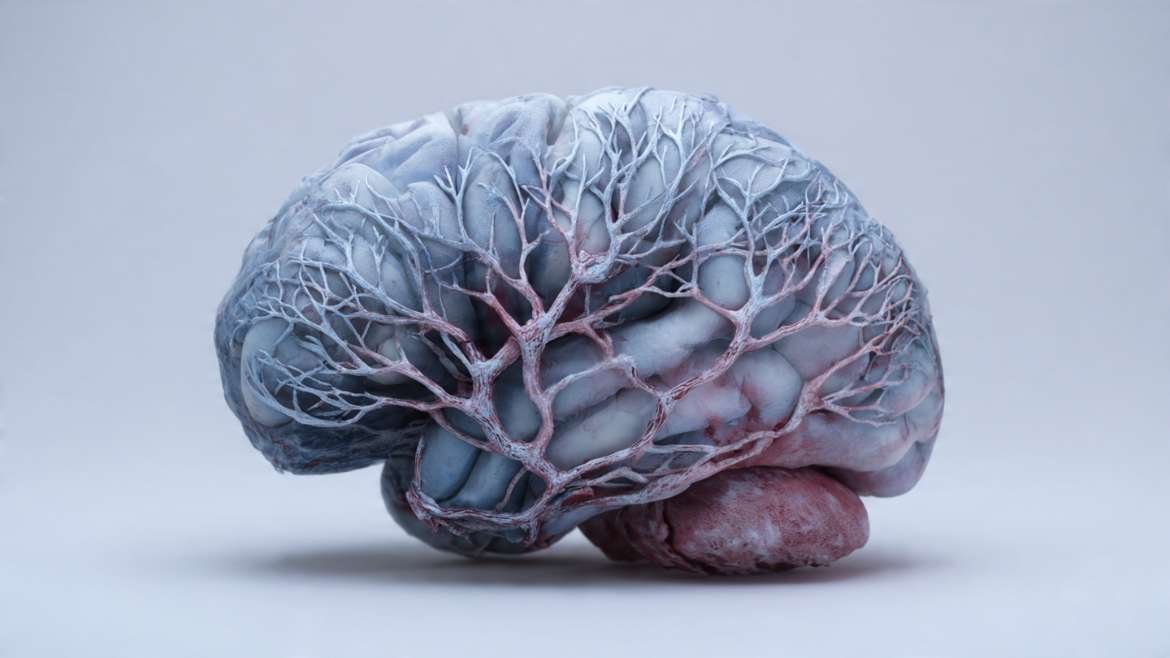
One of the most fascinating things I learned is that your brain actually clears out waste while you sleep.
During rest, your brain activates a system that removes toxins and buildup from daily activity. This process is essential for mental clarity, focus, and memory.
That’s why after a good night’s sleep, you feel sharper and more alert. And after a bad night, everything feels slower and harder.
4. Sleep Controls Your Hunger and Cravings
If you’ve ever noticed craving sugary or high-calorie foods after a poor night’s sleep, there’s a reason for that.
Sleep directly affects hormones that control hunger. When you don’t get enough rest, your body produces more of the hormone that makes you feel hungry and less of the one that makes you feel full.
This imbalance makes it harder to make healthy food choices and often leads to overeating.
5. Your Immune System Depends on Sleep
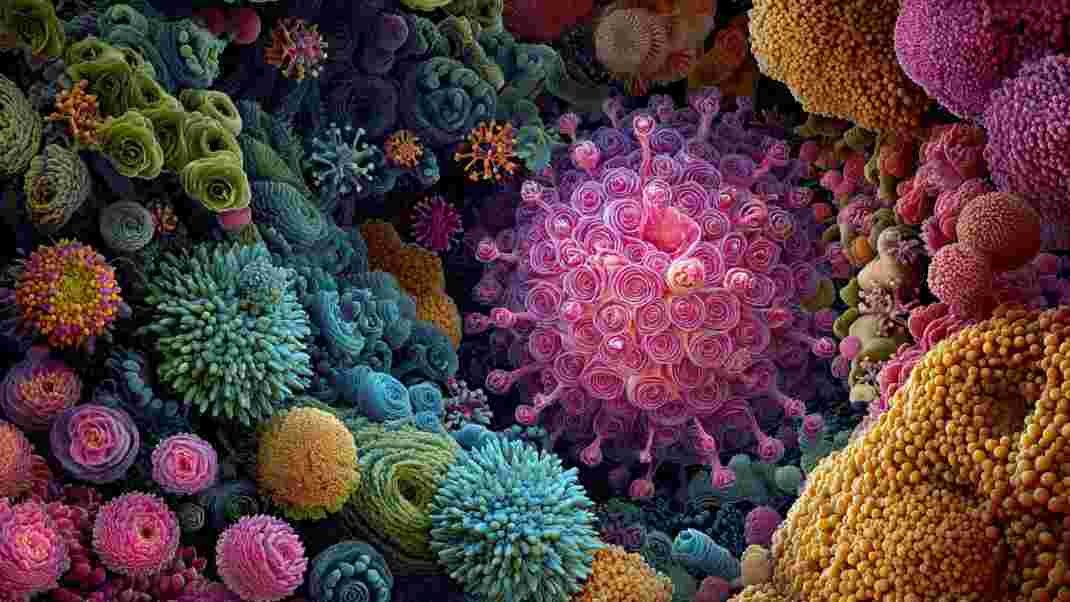
Your body uses sleep to strengthen your immune system. While you rest, it produces proteins that help fight infections and inflammation.
I didn’t realize how important this was until I started paying attention to how often I felt run down after poor sleep. Consistent rest helps your body defend itself more effectively.
Getting enough sleep is one of the simplest ways to support your overall health. One of the simplest ways I started was by following a few immune system boosting tips that fit easily into my daily routine.
6. Lack of Sleep Impacts Focus and Performance
Sleep deprivation doesn’t just make you tired—it affects how you think and react.
After being awake for long periods, your performance can slow down significantly. Reaction time, decision-making, and focus all take a hit.
There’s also something called microsleep, where your brain briefly shuts down for a few seconds without you realizing it. This can happen when you’re extremely tired and trying to stay awake.
7. Small Sleep Habits Can Improve Your Energy Fast
The good news is that improving sleep doesn’t require complicated changes. Small habits can make a big difference.
What worked for me was focusing on consistency and creating a simple routine that I could stick to every day.
Simple Habits That Improve Sleep and Energy
- Go to bed and wake up at the same time daily
- Get natural light early in the day
- Avoid screens before bedtime
- Keep your room cool, dark, and quiet
These changes might seem small, but they help your body follow a natural rhythm that improves both sleep and energy.
8. Your Environment Affects How Well You Sleep
I used to ignore my sleep environment, but it plays a bigger role than I expected.
Your body naturally lowers its temperature when it prepares for sleep. Keeping your room slightly cool supports this process.
Darkness also matters. Light exposure at night can interfere with your body’s ability to produce sleep hormones, making it harder to fall asleep.
Once I made these adjustments, I noticed a clear difference in how quickly I fell asleep and how rested I felt.
How to Build a Simple Sleep Routine That Works

The biggest shift for me was keeping things simple. Instead of trying to fix everything at once, I focused on a few habits I could repeat daily.
I started with a consistent sleep schedule, reduced screen time before bed, and made my environment more comfortable. Over time, these habits became automatic.
The goal is not perfection. It’s consistency. When you follow a routine regularly, your body adapts and sleep becomes easier.
Frequently Asked Questions
What are the most important health facts about sleep and energy?
Sleep helps your body repair itself, regulate energy, support brain function, and maintain overall health.
How many hours of sleep do you need for good energy?
Most adults need 7 to 9 hours of quality sleep to maintain consistent energy levels throughout the day.
Can better sleep really improve daily energy?
Yes, better sleep improves focus, mood, metabolism, and physical recovery, all of which contribute to higher energy.
Why Sleep Should Be Your Priority
The biggest lesson I’ve learned is that sleep is not something you can ignore or catch up on later. It directly affects how you feel, think, and function every day.
These health facts about sleep and energy made me realize that improving my life didn’t require extreme changes. It just required better sleep habits.
Once you start prioritizing sleep, everything else becomes easier. Your energy improves, your focus sharpens, and your body works the way it’s supposed to.
And honestly, One of the simplest ways I started was by following a few daily health habits that improve life.