

Most people don’t realize they are dehydrated until it starts affecting how they feel. If you’re looking for danger signs when you need hydration, your body actually sends clear warning signals before things get serious.
The problem is that these signs are often ignored or misunderstood. I’ve personally experienced days where I felt tired, unfocused, and slightly irritated, only to realize later that I simply hadn’t been drinking enough water.
Hydration is not just about thirst. It affects your energy, focus, digestion, and overall health. Recognizing the early danger signs can help you take action before dehydration becomes a bigger problem.
Why Hydration Is So Important
Your body depends on water to perform basic functions like regulating temperature, transporting nutrients, and removing waste.
Even mild dehydration can reduce your energy levels and affect your ability to think clearly. When your body lacks water, it starts prioritizing essential functions, which is why you begin to feel uncomfortable.
The good news is that your body gives warning signs early. You just need to pay attention.
1. Persistent Thirst and Dry Mouth
One of the first and most common danger signs is constant thirst. However, many people don’t realize that thirst is actually a late signal.
By the time you feel thirsty, your body has already started losing fluids. You may also notice a dry or sticky feeling in your mouth and throat.
This happens because your body is trying to conserve moisture. If you ignore this sign, dehydration can progress further.
Whenever I feel even slightly thirsty now, I treat it as a reminder to drink water immediately rather than waiting.
2. Dark Urine and Infrequent Urination
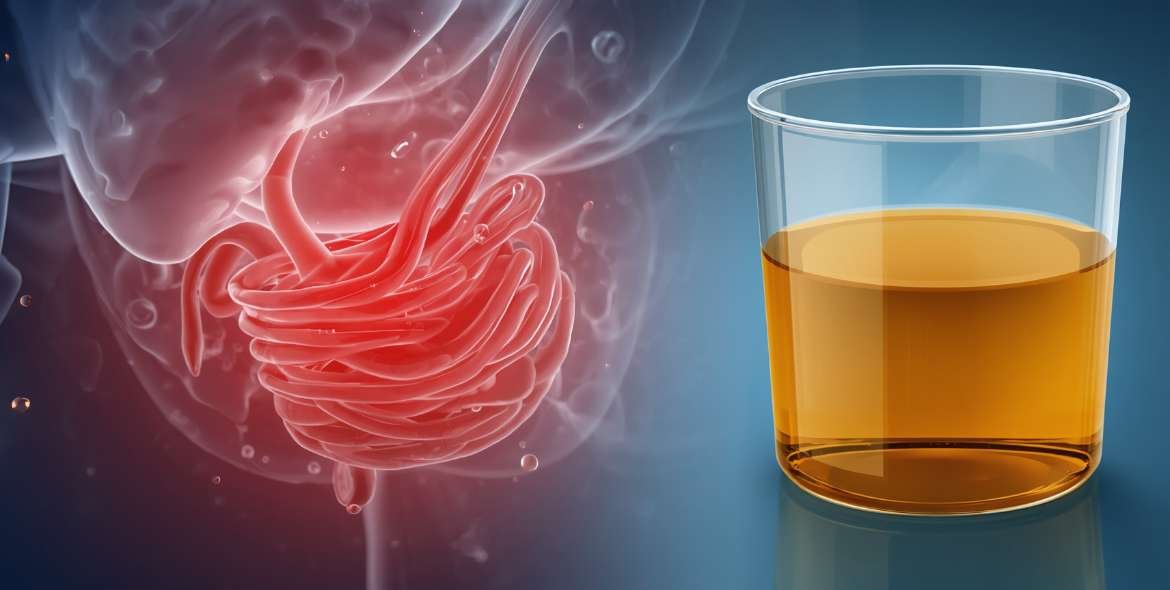
Your urine color is one of the easiest ways to check your hydration level.
Light, pale yellow urine usually means you are well hydrated. Dark yellow, amber, or orange urine is a clear sign that your body needs more water.
Another warning sign is infrequent urination. If you go several hours without needing to urinate, your body may be conserving water due to low fluid intake.
This is one of the most reliable indicators, and once I started paying attention to it, it became much easier to manage my hydration.
3. Fatigue, Dizziness, and Low Energy
Feeling unusually tired or low on energy can often be linked to dehydration.
When your body lacks fluids, your blood volume decreases slightly. This makes it harder for oxygen and nutrients to reach your muscles and brain.
As a result, you may feel sluggish, weak, or even lightheaded. This is especially noticeable when standing up quickly or during physical activity.
I’ve found that drinking water during these moments can quickly improve my energy levels and reduce that heavy, tired feeling.
4. Headaches and Brain Fog

Dehydration can directly affect your brain, leading to headaches and difficulty focusing.
You might experience a dull or throbbing headache, along with trouble concentrating or remembering things. This is often referred to as brain fog.
When your brain does not get enough hydration, it cannot function efficiently. This makes even simple tasks feel more difficult.
I’ve noticed that on days when I don’t drink enough water, my focus drops significantly. Staying hydrated helps me think more clearly and stay productive.
5. Dry Skin, Muscle Cramps, and Other Hidden Signs
Some danger signs of dehydration are less obvious but equally important.
Your skin may feel dry, tight, or less elastic. A simple test is to pinch your skin lightly. If it takes time to return to normal, it may be a sign of dehydration.
Muscle cramps and joint discomfort can also occur because water is essential for proper muscle and joint function.
Other hidden signs include bad breath, caused by reduced saliva, and sudden food cravings, as your body sometimes confuses thirst with hunger.
These signs may seem minor, but together they indicate that your body needs more fluids.
When Dehydration Becomes Serious
In some cases, dehydration can become severe and require immediate attention.
Warning signs include confusion, rapid heartbeat, difficulty breathing, or fainting. Not urinating for long periods, such as eight hours or more, is another serious indicator.
If you experience these symptoms, it is important to seek medical help right away.
While these cases are less common, they highlight the importance of staying hydrated before things reach this stage.
Simple Ways to Stay Hydrated
Preventing dehydration is much easier than dealing with its effects. Small habits can help you stay hydrated throughout the day.
- Keep a water bottle with you at all times
- Drink water regularly instead of waiting for thirst
- Include water-rich foods like fruits in your diet
- Drink water before and after physical activity
- Set reminders if you often forget
These simple steps can make hydration a natural part of your routine.
Common Mistakes to Avoid
Many people unintentionally stay dehydrated because of small mistakes.
One common mistake is relying only on thirst as a signal. Another is replacing water with sugary or caffeinated drinks, which may not hydrate effectively.
Ignoring hydration during busy schedules is also a major issue. Skipping water intake for long periods can affect your energy and focus.
Being aware of these mistakes can help you maintain better hydration habits. One of the simplest ways I started was by following a few immune system boosting tips that fit easily into my daily routine.
Frequently Asked Questions
1. What are the most common danger signs of dehydration?
The most common signs include thirst, dark urine, fatigue, headaches, and dry skin.
2. How can I quickly check if I am hydrated?
You can check your urine color and frequency. Pale yellow urine usually indicates proper hydration.
3. Can dehydration cause serious health problems?
Yes, severe dehydration can lead to confusion, rapid heartbeat, and fainting, which require medical attention.
4. How much water should I drink daily?
Water needs vary, but drinking regularly throughout the day and listening to your body’s signals is recommended.
5. Why do I feel tired when I don’t drink enough water?
Dehydration reduces blood flow and oxygen delivery, which can lower energy levels and cause fatigue.
Why You Should Never Ignore Hydration Signals
Understanding the danger signs when you need hydration can help you take action before dehydration affects your health.
Your body depends on water for nearly every function, from energy and focus to digestion and overall wellbeing. Ignoring these signals can lead to discomfort and reduced performance in daily life.
The good news is that staying hydrated is simple. By paying attention to your body and building small habits, you can maintain proper hydration and feel better every day.
If you are looking for one easy way to improve your daily health, staying hydrated is one of the most effective habits you can build. One of the simplest ways I started was by following a few daily health habits that improve life.