
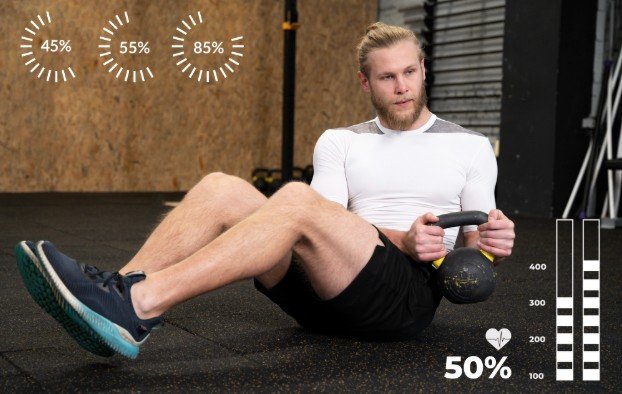
When I first tried to get consistent with exercise, I made the same mistake many people make. I built a plan that looked impressive on paper but did not fit my schedule, energy, or real life. I thought more days, harder workouts, and strict rules would keep me motivated.
Instead, I got tired, missed sessions, and felt like I had failed. That changed when I stopped chasing the perfect plan and started building one I could actually follow. The truth is, fitness works better when your routine feels doable on busy weeks, low-energy days, and weekends when life gets messy.
If you want to learn how to build a realistic fitness routine, start with a plan that matches your current lifestyle, not your fantasy version of it.
Start With Your Real Schedule, Not an Ideal One
A realistic routine begins with honesty. Before picking workouts, I always look at time first. Ask yourself how many days you can truly commit to each week without feeling stressed. For most people, three to four workout days is a strong place to start.
You also need to think about when you have the most energy. Some people feel strongest in the morning. Others do better after work. There is no perfect time to exercise. The best time is the one you can repeat consistently.
Choose a Weekly Goal You Can Maintain
Instead of saying you will work out every day, set a weekly target that feels sustainable. A good beginner goal might be three workouts per week, plus extra walking on off days. That gives you structure without making your routine feel overwhelming.
Leave Room for Life
Missed workouts happen. Travel, work deadlines, family plans, and low-energy days are normal. I always recommend building a routine with flexibility. That way, one missed day does not turn into a missed week.
Pick a Simple Mix of Training

You do not need a complicated split to get results. A balanced routine usually includes strength training, cardio, and recovery. That combination supports muscle, heart health, mobility, and long-term consistency.
Strength training helps you build muscle, improve posture, and support metabolism. Cardio improves endurance and energy. Recovery work helps your body feel better so you can keep going.
Keep Strength Training Basic
If you are a beginner, start with full-body workouts two or three times per week. Focus on simple movement patterns like squats, pushes, pulls, hinges, and core work. You do not need fancy equipment to begin. Bodyweight movements, dumbbells, and resistance bands can take you far.
Add Cardio Without Overdoing It
Cardio does not have to mean intense running sessions. Brisk walking, cycling, incline treadmill work, or short steady-state sessions are often easier to maintain. The key is choosing something you do not dread.
Do Not Skip Recovery
Recovery is part of progress. I learned that the hard way. If your body always feels sore, exhausted, or tight, your routine becomes harder to maintain. Rest days, stretching, sleep, and hydration make the rest of your training more effective.
How to Build a Realistic Fitness Routine for Beginners
The easiest way to stay consistent is to make your routine predictable. I like using a weekly structure that repeats, because it removes the daily stress of deciding what to do. Here is a simple example:
Day 1: Full-Body Strength
Day 2: Light Cardio or Walking
Take a brisk walk, ride a bike, or do a short low-impact cardio session. Keep it easy enough that you finish feeling better than when you started.
Day 3: Full-Body Strength
Repeat the same workout or change a few exercises. Focus on good form and steady effort, not extreme intensity.
Day 4: Recovery or Mobility
Stretch, walk, or do gentle movement. This is not a wasted day. It helps your body stay ready for the next session.
Day 5: Strength or Cardio
This can be a third full-body session or a longer cardio workout, depending on your goals and energy.
Weekend: Flexible Movement
Use one day for rest and one day for something active you enjoy. That could be a long walk, yoga, a hike, or a casual sport.
Focus on Progress You Can Actually Track

A realistic routine gets better over time, but only if you can measure your progress. I do not mean obsessing over the scale every day. I mean using a few simple markers that show your routine is working.
Track how often you finish your workouts each week. Notice whether exercises feel easier after a few weeks. Pay attention to energy, sleep, mood, and strength. These signs matter more than chasing instant visible changes.
Use the Minimum Effective Dose
You do not need marathon workouts to improve. In many cases, shorter and more consistent sessions work better than long workouts you cannot maintain. A 30-minute session you complete regularly will beat a 90-minute session you quit after two weeks.
Increase Slowly
Once your routine feels comfortable, add a small challenge. Increase weight, add a few reps, or extend your walk by ten minutes. Small progress is easier to sustain and less likely to lead to burnout.
Make It Easier to Stay Consistent
Motivation fades, but systems help. I like preparing workout clothes the night before, choosing a set workout time, and keeping a backup home session for busy days. These small habits remove excuses before they show up.
It also helps to choose workouts you enjoy. You are much more likely to stay active when your routine includes movements that feel satisfying instead of punishing.
Frequently Asked Questions
1. How to build a realistic fitness routine if I am very busy?
Start with three short workouts per week and add daily walking where you can. A simple plan you can repeat is better than an intense one you keep postponing.
2. How long should each workout be?
Most people can make solid progress with 30 to 45 minutes per session. The quality of your effort matters more than making every workout long.
3. Should I work out every day?
Not usually. Most beginners do better with a few focused sessions and recovery days in between. Rest helps your body adapt and keeps the routine manageable.
4. What if I miss a workout?
Do not restart from zero. Just continue with the next planned session. Consistency comes from returning quickly, not from being perfect.
What Actually Helps You Keep Going
The best routine is not the one that looks the most intense. It is the one you can follow when work gets busy, your energy drops, or your week does not go as planned. That mindset changed everything for me.
Once I stopped trying to do everything and started doing what I could repeat, fitness felt less like pressure and more like part of my life. Keep it simple, keep it flexible, and trust steady effort over all-or-nothing thinking.