

I didn’t switch to an eco conscious lifestyle because it sounded trendy—I switched because I was tired of wasting money on things that didn’t last and habits that didn’t make sense.
What I didn’t expect was how quickly things improved.
My bills dropped. My home felt less cluttered. And for the first time, my daily routine actually felt intentional instead of automatic.
If you’ve been thinking about starting an eco conscious lifestyle but feel overwhelmed by all the advice out there, I’m going to break it down into a simple, realistic system that actually works in everyday life—especially here in the US.
What Is an Eco Conscious Lifestyle and Why Should You Care?
An eco conscious lifestyle is a mindful approach to daily living where you make intentional choices to reduce environmental impact while improving your quality of life.
At its core, it shifts away from the traditional “take, make, dispose” model toward a circular mindset where resources are reused, conserved, and valued.
In the US, where consumption levels are among the highest globally, even small lifestyle changes can significantly reduce carbon emissions, waste, and energy usage.
The Core Pillars That Actually Make a Difference
When I simplified everything, I realized sustainable living comes down to a few core principles that are easy to follow.
Reduce, Reuse, Then Recycle (The Only Order That Works)
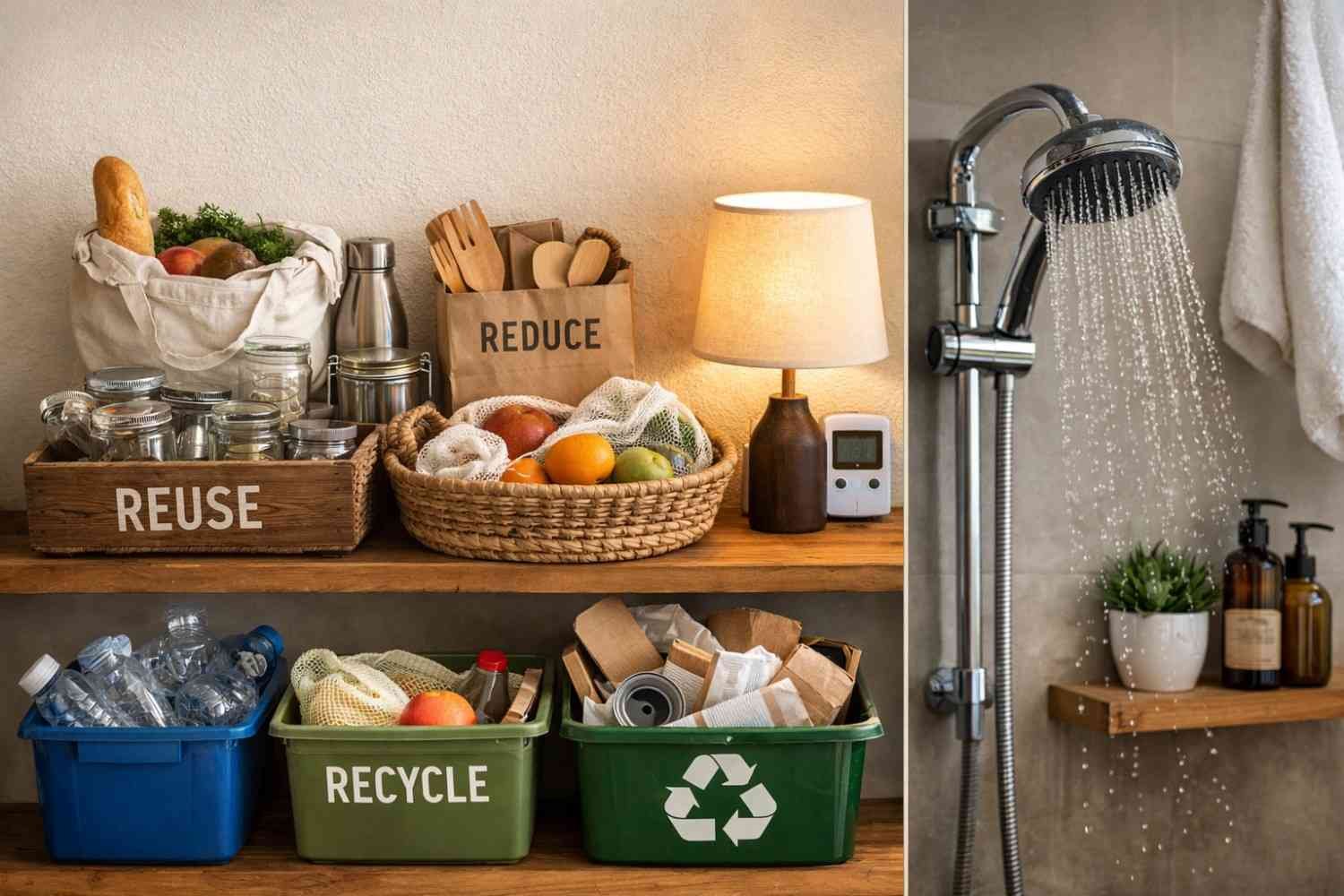
Most people focus on recycling first, but that’s the last step.
What worked better for me:
- I reduced unnecessary purchases
- I reused items already at home
- I recycled only what couldn’t be avoided
This approach alone dramatically cut my household waste.
Energy and Water Efficiency at Home
I didn’t expect this, but optimizing energy and water usage had an immediate impact on my bills.
Simple changes I made:
- Switched to LED lighting
- Unplugged devices causing phantom power usage
- Installed low-flow showerheads
These small upgrades helped reduce both energy costs and environmental impact by noticeable margins.
Mindful Consumption Over Impulse Buying
I stopped buying cheap, short-term products and focused on long-lasting items.
Instead of fast fashion or disposable goods, I now choose:
- Durable everyday essentials
- Multi-purpose products
- Quality items that last for years
This shift not only reduced waste but also saved money over time.
Sustainable Diet Choices That Fit Real Life
I didn’t go fully plant-based, but I made smarter food choices.
What worked for me:
- Adding more plant-based meals during the week
- Buying local and seasonal produce
- Reducing food waste at home
These changes helped lower my environmental footprint without making my diet complicated.
Smarter Transportation Habits
Transportation is a major contributor to emissions in the US.
I started with small adjustments:
- Walking for short errands
- Combining trips to reduce fuel usage
- Using public transportation when possible
Even small changes here make a big difference over time.
How to Start an Eco Conscious Lifestyle Without Overthinking It

The biggest mistake I made early on was trying to do everything at once.
What worked better was building a simple system.
I started with small, consistent changes:
- Replacing single-use plastics with reusable alternatives
- Carrying a reusable water bottle and shopping bag
- Avoiding unnecessary purchases
This step-by-step approach made the transition realistic and sustainable.
Real Benefits I Experienced (Beyond Helping the Planet)
What surprised me most was how this lifestyle improved my daily life.
Financial Savings That Add Up Fast
I spent less money by:
- Buying fewer disposable items
- Lowering electricity and water bills
- Avoiding impulse purchases
Over time, these savings became significant.
Better Health and Safer Living
Switching to natural products reduced my exposure to harmful chemicals found in:
- Non-stick cookware
- Synthetic cleaners
- Artificial air fresheners
My home environment feels cleaner and healthier now.
Reduced Stress and More Purpose
Living intentionally gave me a sense of control and purpose.
Instead of feeling overwhelmed by environmental issues, I focused on what I could actually change—and that made a real difference mentally.
Global Frameworks That Support Sustainable Living
While my journey started personally, I realized these habits align with larger global movements.
The Sustainable Development Goals connect everyday lifestyle changes to global targets like responsible consumption, clean energy, and climate action.
Similarly, initiatives like Mission LiFE promote mindful resource use, encouraging individuals to adopt eco-friendly habits at scale.
In the US, incentives like energy-efficient tax credits and local sustainability programs further support eco-conscious decisions at the household level.
Common Mistakes That Can Slow You Down

I made these mistakes early on, and avoiding them can save you time and money.
Trying to Be Perfect
You don’t need to eliminate all waste immediately. Progress matters more than perfection.
Buying Too Many “Eco-Friendly” Products
Overconsumption—even of sustainable products—defeats the purpose. Use what you already have first.
Ignoring Your Daily Routine
If your habits don’t fit your lifestyle, they won’t last. Build a system that works for you.
Frequently Asked Question (FAQs)
1. What is the easiest way to start an eco conscious lifestyle in the US?
Start with simple swaps like reusable bags, reducing plastic use, and cutting unnecessary purchases. Focus on habits you can maintain daily.
2. Is sustainable living expensive in the US?
No. Buying less, choosing durable products, and saving energy often reduces long-term expenses significantly.
3. Can I live sustainably without going zero waste?
Yes. Reducing waste and making mindful choices is more realistic and still highly effective.
4. What are the most impactful eco-friendly habits?
Reducing consumption, saving energy, minimizing plastic use, and building a consistent daily routine have the biggest impact.
Final Thoughts That Actually Matter
Building an eco conscious lifestyle didn’t require extreme changes—it required consistent, intentional decisions.
I didn’t aim for perfection. I focused on reducing waste, applying practical energy saving tips, and making smarter choices that fit my routine.
If you start small and stay consistent, you’ll not only reduce your environmental impact—you’ll also save money, simplify your life, and create a system that actually works long term.