

There was a time when screens felt like tools, something you used and then stepped away from. Now, they quietly shape how your entire day unfolds. From the moment you reach for your phone in the morning to the late-night scroll you didn’t plan, screen time slips into your routine without asking for permission. It doesn’t feel dramatic. It feels normal. That’s exactly why most of its effects go unnoticed.
Over time, though, those small habits begin to stack. You start feeling tired even after sleeping, distracted during simple tasks, or oddly disconnected in conversations. It’s not one big change; it’s dozens of subtle shifts happening daily. And when you really look at it, these patterns are closely tied to how software is changing the way we interact, think, and even rest.
The Subtle Biological Shifts You Don’t Feel Immediately
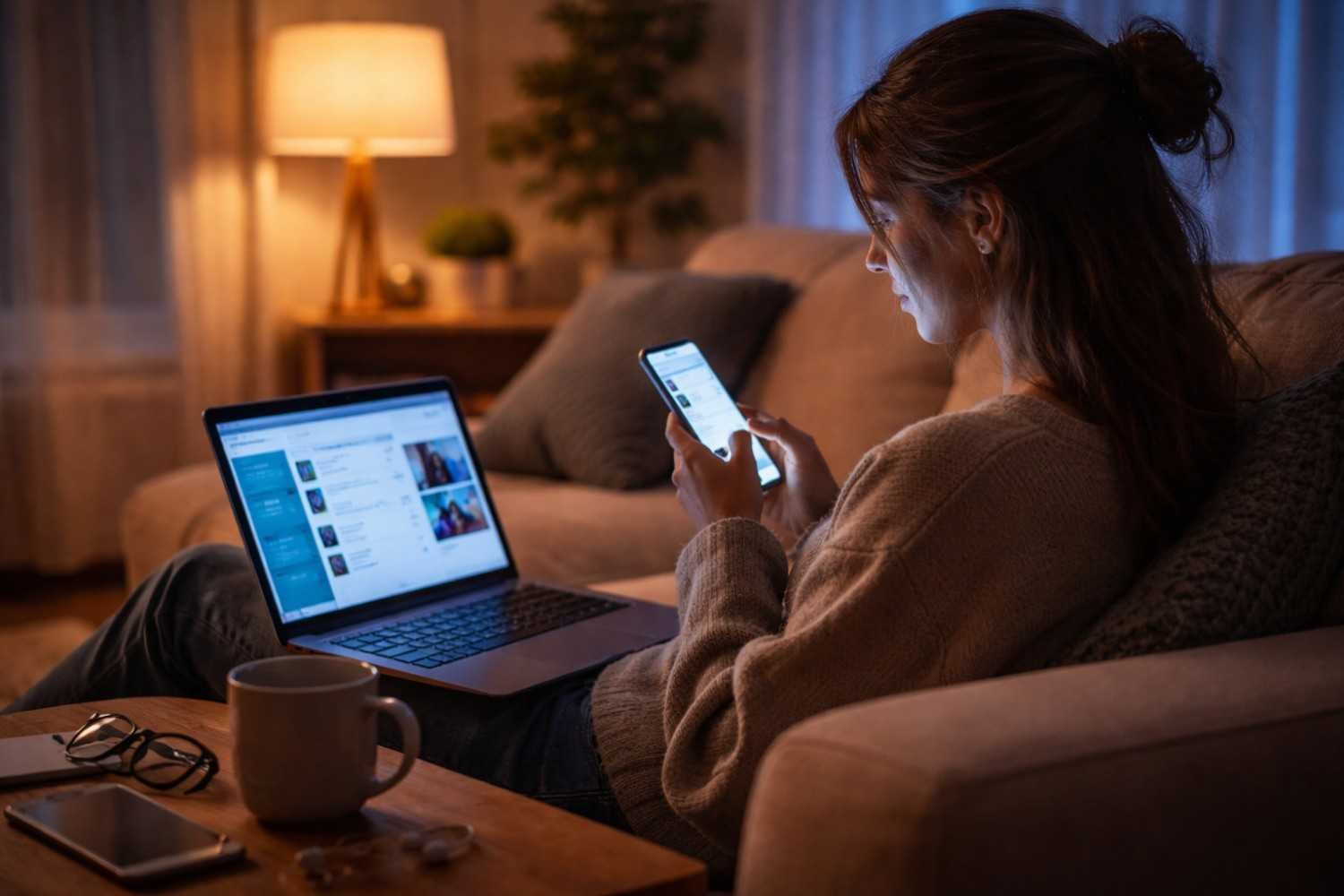
One of the most overlooked effects of screen time is how it quietly disrupts your internal body clock. Screens emit blue light that signals your brain to stay alert, even when your body is ready to wind down. This delays melatonin production, making it harder to fall asleep naturally.
The result isn’t just poor sleep. It’s what many people experience as a kind of low-level exhaustion throughout the day, often called digital fatigue. You might not feel physically tired, but mentally, things feel slower. Focus slips. Energy dips.
Another subtle shift happens with your eyes. When you stare at a screen, your blink rate drops significantly. That’s why your eyes start feeling dry, irritated, or strained without you realizing it immediately. Over time, this becomes a daily discomfort you just start accepting.
When Your Morning Routine Sets the Wrong Tone

Grabbing your phone right after waking up seems harmless. But it can actually trigger a stress response in your body. Notifications, emails, updates, they all push your brain into a reactive state before you’ve even had a moment to settle.
Instead of easing into your day, your nervous system shifts into a mild “fight-or-flight” mode. That feeling of urgency or anxiety you carry through the morning often starts right there.
It’s a small habit, but repeated daily, it sets a pattern. Your brain begins to associate your device with constant stimulation and alertness, making it harder to feel calm or focused later.
The Quiet Impact On Your Relationships

Not all screen time effects are physical. Some show up in how you connect with people.
“Phubbing,” checking your phone during conversations, has become incredibly common. It doesn’t always feel rude. Sometimes, it’s just a quick glance. But over time, it creates emotional distance.
When someone feels like they’re competing with your screen for attention, it subtly affects how valued they feel. These micro-moments add up. Conversations become less present. Connections feel slightly weaker, even if everything looks fine on the surface.
How Your Brain Is Rewiring Itself

Constant notifications and quick content are training your brain in ways you might not notice.
You start expecting information in short bursts. Long-form thinking becomes harder. Even when you try to focus, your mind drifts. This is where that “brain fog” feeling comes from: your attention span isn’t gone; it’s just been reshaped.
Over time, this can affect:
- Memory retention
- Deep focus ability
- Task completion speed
- Overall mental clarity
There’s also the issue of dopamine loops. Every scroll, like, or notification gives a small reward signal. It feels good in the moment, but it makes real-world tasks feel less engaging by comparison. That’s why simple things, like reading, working, and even conversations, can start to feel boring.
Physical Signs You Might Be Ignoring

Screen time doesn’t just stay in your head. Your body reflects it too, often in ways you overlook.
Here are a few common signs:
- Neck and shoulder pain from looking down at devices (often called tech neck)
- Frequent headaches linked to eye strain and prolonged focus
- Reduced movement leading to a more sedentary routine
- Unexplained fatigue despite minimal physical activity
These symptoms often feel disconnected. But when you trace them back, screen habits are usually at the center.
Over time, this sedentary shift can influence larger health risks like weight gain, reduced stamina, and even metabolic issues.
Small Adjustments That Actually Make A Difference

You don’t need to completely disconnect to see change. What matters is how you manage your interaction with screens.
A few simple shifts can help:
- Follow the 20-20-20 rule: every 20 minutes, look at something 20 feet away for 20 seconds
- Avoid screens for the first 20–30 minutes after waking up
- Set specific “no-screen” windows during your day
- Turn off non-essential notifications
- Keep devices away during meals or conversations
These aren’t drastic changes. But they help reset your relationship with screens in a realistic way.
FAQs: Screen Time Effects On Lifestyle In Modern Life: What You Don’t Notice Daily
1. How does screen time affect daily lifestyle?
Screen time affects sleep, focus, physical activity, and social interaction. Over time, it can reshape daily habits and reduce overall well-being without obvious immediate signs.
2. Can screen time impact mental health?
Yes, excessive screen time is linked to increased stress, anxiety, and reduced attention span. It can also contribute to feelings of burnout and mental fatigue.
3. What are the signs of too much screen time?
Common signs include eye strain, headaches, poor sleep, reduced focus, irritability, and neck or shoulder pain. Behavioral signs include constant phone checking and reduced attention span.
4. How can I reduce screen time without drastic changes?
Start with small habits like limiting screen use in the morning, taking regular breaks, turning off notifications, and setting device-free times during meals or before bed.
Final Thoughts
Screen time isn’t inherently bad; it’s deeply woven into how modern life works. But the issue lies in how quietly it expands into every corner of your routine. The effects don’t arrive all at once. They build slowly, through habits that feel harmless in the moment. And before you realize it, your energy, focus, and even relationships begin to shift in subtle ways.
Awareness is the real turning point. Once you start noticing these patterns, you can reshape them. Not perfectly, but intentionally, and that’s enough to bring balance back.