
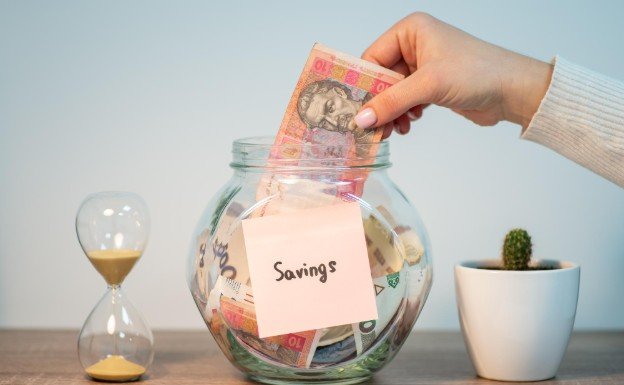
Saving money worked best when I felt extra motivated. It did not. The months when I saved the most were the months when I made fewer decisions and followed the same simple rhythm. That is why I believe how to build a saving routine that sticks starts with a system, not willpower.
The strongest personal finance advice today keeps coming back to the same ideas: automate your savings, choose a clear goal, start with an amount you can actually maintain, and build your routine around payday instead of waiting to see what is left at the end of the month.
Recurring transfers and split direct deposit are often recommended because they make saving more consistent, while many finance guides also suggest building an emergency fund that can cover several months of expenses.
Why Most Saving Plans Fail
Most saving plans fail because they ask too much, too soon. People often pick a number that looks impressive, try to save whatever is left after spending, and then quit the moment a real-life expense shows up. A saving routine lasts longer when it feels boring, repeatable, and flexible enough for an ordinary month.
I have found that a strong routine usually has four parts: one clear goal, one automatic transfer, one spending limit to protect that transfer, and one weekly check-in. That structure works better than relying on guilt or random bursts of discipline because it removes friction and keeps you engaged without making money management your full-time job.
Start With One Savings Goal

The first thing I would do is name the reason you are saving. Not “save more.” Not “be better with money.” Pick one target that feels real. That might be a starter emergency fund, a rent cushion, back-to-school costs, holiday shopping spending, car repairs, or a travel fund.
Top-ranking finance advice consistently performs well because it pushes readers toward specific goals instead of vague intentions. Having a named goal makes it easier to decide how much to save and why the routine matters when motivation dips. Savers with a plan are also more likely to stay consistent than people who save without a target.
Make The Goal Small Enough To Win Early
I always recommend starting with a number that feels reachable in the next 30 to 90 days. Quick progress changes your mindset. A first goal of $250, $500, or one paycheck buffer often feels more real than chasing a huge number that takes forever to notice.
That early win matters because consistency grows when you can see proof that the routine is working. Even small automatic contributions can build momentum over time, especially when they happen on a schedule that matches your income.
Build The Routine Around Payday
This is the part most people skip. If saving happens after shopping, subscriptions, delivery apps, and impulse spending, your plan will always feel fragile. I prefer to attach savings to payday so the money moves before I get used to seeing it in checking.
Set up an automatic transfer for the same day your paycheck hits or the morning after. If your employer allows it, split direct deposit can work even better because part of your pay goes straight to savings without any extra step.
Choose A Number You Can Keep
A saving routine should survive a normal month, not just an ideal one. I would rather save $25 every week for a year than promise myself $400 a month and quit by month two. Pick a number that leaves room for groceries, gas, bills, and the occasional surprise.
Many strong finance resources repeat this same principle: start small, think bigger later, and increase the amount once the habit feels stable. That approach works because a sustainable number protects the routine from burnout.
Create A Budget That Protects Savings

Your budget does not need to be perfect. It just needs to make your savings transfer easier to keep. I like to treat savings like a fixed bill. Once I do that, the rest of my spending has to fit around it instead of competing with it. The best beginner budgeting guides still emphasize the same basics: know what comes in, know what goes out, and give your savings a job.
Some recommend a percentage-based framework like 50/30/20, while others focus more on simply tracking spending and adjusting. What matters most is that your budget creates enough space for regular saving without becoming so strict that you abandon it.
Cut The Leaks First
Before making huge sacrifices, I would look for the quiet leaks. Unused subscriptions, inflated food delivery spending, convenience purchases, and recurring charges usually hurt more than one-time splurges because they repeat. Trimming just a few of those can fund your automatic transfer without changing your whole lifestyle.
Use A Weekly Money Reset
A saving habit sticks better when you pay attention just enough. I like a 10-minute weekly money reset: check account balances, review spending, confirm the next transfer, and adjust for anything unusual coming up this week. That short routine keeps small problems from turning into a broken month.
This is also where you protect yourself from the all-or-nothing mindset. If one week goes off track, do not cancel the system. Lower the transfer for a week or two, then bring it back. A routine becomes durable when it has a reset plan.
Give Your Savings A Real Home

If possible, keep your savings in a separate high-yield savings account so it is not mixed into your daily spending. That separation makes the money feel less available and helps you see progress faster.
For short-term goals and emergency funds, many finance guides continue to point readers toward savings vehicles that keep money accessible while earning more than a basic checking account.
What To Do When Motivation Drops
This is where how to build a saving routine that sticks becomes real life. Motivation will drop. Bills will hit. One month will feel messy. The goal is not perfection. The goal is returning to the routine quickly.
When I feel off track, I go back to four questions: Is my goal still clear? Is my transfer too high? Did spending creep up somewhere obvious? Do I need to restart with a smaller number? That simple review helps me fix the system instead of blaming myself.
Frequently Asked Questions
1. How to build a saving routine that sticks when money is tight?
Start with a very small automatic amount and tie it to payday. A routine built on $10 or $20 consistently is stronger than a larger plan you cannot maintain.
2. How much should I save first?
I would begin with a small emergency cushion or one short-term goal you can reach in the next few months. Early wins make the habit easier to keep.
3. Should I save before paying off debt?
Usually, building a small emergency buffer first helps prevent new debt when surprise expenses show up. After that, you can balance saving with debt payoff.
4. Is weekly or monthly saving better?
Whichever matches your income best. Weekly works well for many people because the amount feels smaller, while monthly works if your bills and paycheck follow that rhythm.
A Routine Worth Keeping
From my experience, the best saving plan is the one that still works when life feels normal, busy, and slightly unpredictable. That is why I keep coming back to simple systems, smaller targets, payday automation, and quick weekly check-ins.
If you want to build a saving routine that sticks to actually working, make it easy to repeat. Start smaller than you think you need to. Protect the habit with a realistic budget. Then let time do the heavy lifting.