
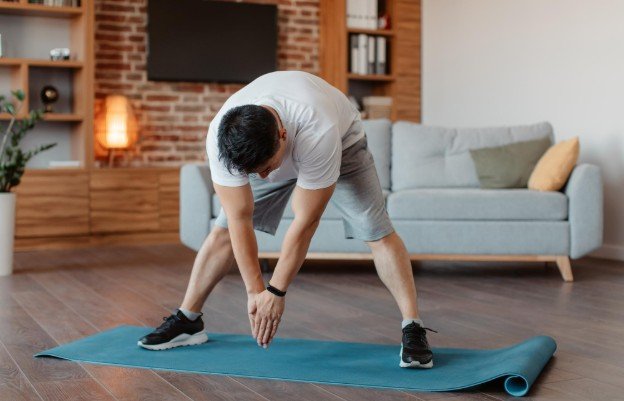
I think stretching had to be long, intense, or tied to a full workout to matter. Once I stopped treating it like a big fitness task, I finally stayed consistent. A few minutes in the morning, after a walk, or before bed felt doable, and that is what made the difference for me.
If you are just getting started, the smartest approach is to keep things simple. Focus on a few major muscle groups, move gently, breathe normally, and aim for a routine you can repeat without overthinking it.
Most beginners do better with a short plan they will actually follow than a perfect one they quit after three days. It also helps to start when your body is already a little warm, keep each stretch controlled, and stop before anything feels sharp or painful.
Why A Short Routine Works Better Than An Ambitious One
When people first start, they often try to stretch everything at once. That sounds productive, but it usually becomes too much to maintain. I have found that a realistic daily plan works better because it fits into real life.
You do not need a full studio setup or a long session. You just need a sequence you can remember. A beginner routine also works best when it covers the areas that usually feel tight first. For most people, that means the neck, shoulders, chest, spine, hips, hamstrings, and calves.
Building around those areas makes the habit feel useful right away, especially if you spend a lot of time sitting, driving, or working at a desk. Full-body beginner guides from leading fitness and health publishers follow that same logic by targeting major muscle groups instead of chasing advanced flexibility goals.
Daily stretching routines for beginners That Feel Easy To Stick To
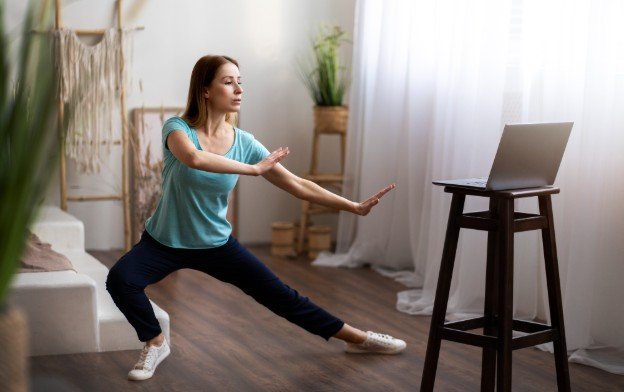
This is the kind of sequence I would recommend to anyone who feels stiff, busy, or overwhelmed. Move through it slowly and hold each stretch for about 20 to 30 seconds per side unless it feels better to start shorter. Gentle tension is fine, pain is not. Most beginner guidance also recommends warming up lightly first and keeping movements slow and controlled.
Neck Stretch
Sit or stand tall. Gently lower one ear toward one shoulder. Keep the opposite shoulder relaxed. This is a great place to start because neck tension can make your whole body feel tight before the day even begins.
Chest Opener
Stand in a doorway and place your forearm against the frame. Step forward slightly until you feel a stretch across the chest and front of the shoulder. I like this one because it quickly balances out the rounded posture that comes from screens and long hours sitting.
Cat-Cow
Come onto your hands and knees. Round your back slowly, then lift your chest and tailbone. Move with your breath. This stretch is less about forcing flexibility and more about waking up your spine in a gentle way.
Hip Flexor Stretch
Step one foot forward into a split stance and lower the back knee if needed. Shift forward slightly until you feel the front of the back hip open up. Tight hips are one of the first things I notice when I skip stretching for a few days.
Hamstring Stretch
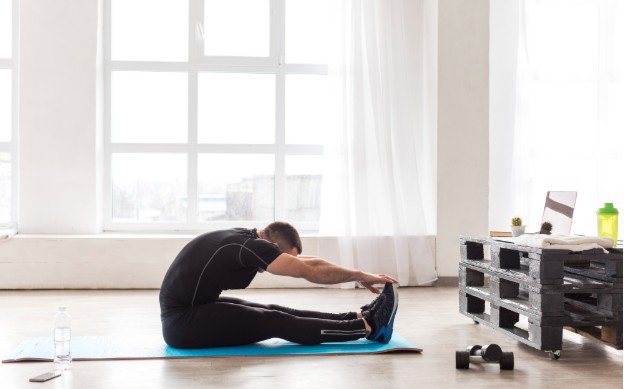
Sit with one leg extended and the other bent in. Hinge forward gently from your hips instead of collapsing your back. You do not need to reach your toes for this to work. A mild stretch behind the thigh is enough.
Calf Stretch
Place your hands on a wall, step one foot back, and press the back heel down. This stretch is simple, but it helps more than people expect, especially if walking shoes, standing time, or workouts leave the lower legs feeling tight.
Child’s Pose
Kneel, sit your hips back, and stretch your arms forward. This is the reset move I come back to when I want something calming at the end of the sequence. It helps the whole routine feel less like a chore and more like a break.
How Long Should You Stretch Each Day
If you have more time, you can do two short sessions instead of one longer one. I often think that is more realistic than waiting for the perfect uninterrupted block. A brief morning reset plus a short evening wind-down is easier for many people to maintain.
The Best Time To Do It
The best time is the one you will repeat. Some people like stretching after a walk, some after strength training, and some before bed. I like attaching it to a routine that already exists. That could be after brushing your teeth, after your morning coffee, or right before you shower.
The only timing rule that matters is this: do not jump into deep static stretching on a cold body. A little movement first helps. Even five to ten minutes of easy activity is enough to prepare your muscles before you hold stretches.
Beginner Mistakes That Make Stretching Harder
Trying To Stretch Too Deep
This is the fastest way to make stretching feel uncomfortable. You do not need maximum range to get results. Stay in the zone where the stretch feels clear but manageable.
Being Inconsistent
One long session once a week usually does less than a short routine repeated often. Progress comes from frequency, not from turning one stretch session into a major event.
Ignoring Tight Areas That Need Extra Attention
A full-body plan is useful, but it is also okay to spend a little extra time on the areas that feel especially stiff. Many people need more work on the hips, upper back, chest, and hamstrings because of daily habits and long sitting periods.
Frequently Asked Questions
1. How long does it take to see results from daily stretching routines for beginners?
Most people notice they feel less stiff within a couple of weeks. Bigger flexibility changes usually take longer, especially if you are starting from very tight muscles.
2. Should beginners stretch every day?
Yes, a short gentle session can work well every day. If daily feels like too much, start with three or four days a week and build from there.
3. Is stretching supposed to hurt?
No. You should feel light tension, not pain. If a stretch feels sharp, pinchy, or unstable, ease up or stop.
What Actually Makes This Habit Last
For me, the turning point was stopping the all-or-nothing mindset. I did not need a perfect plan. I needed one I could repeat on busy mornings, low-energy evenings, and normal in-between days. That is why a short routine wins.
If you keep stretching simple, gentle, and consistent, it becomes part of your day instead of another task on your list. Start small, stay patient, and let the routine earn its place in your life.