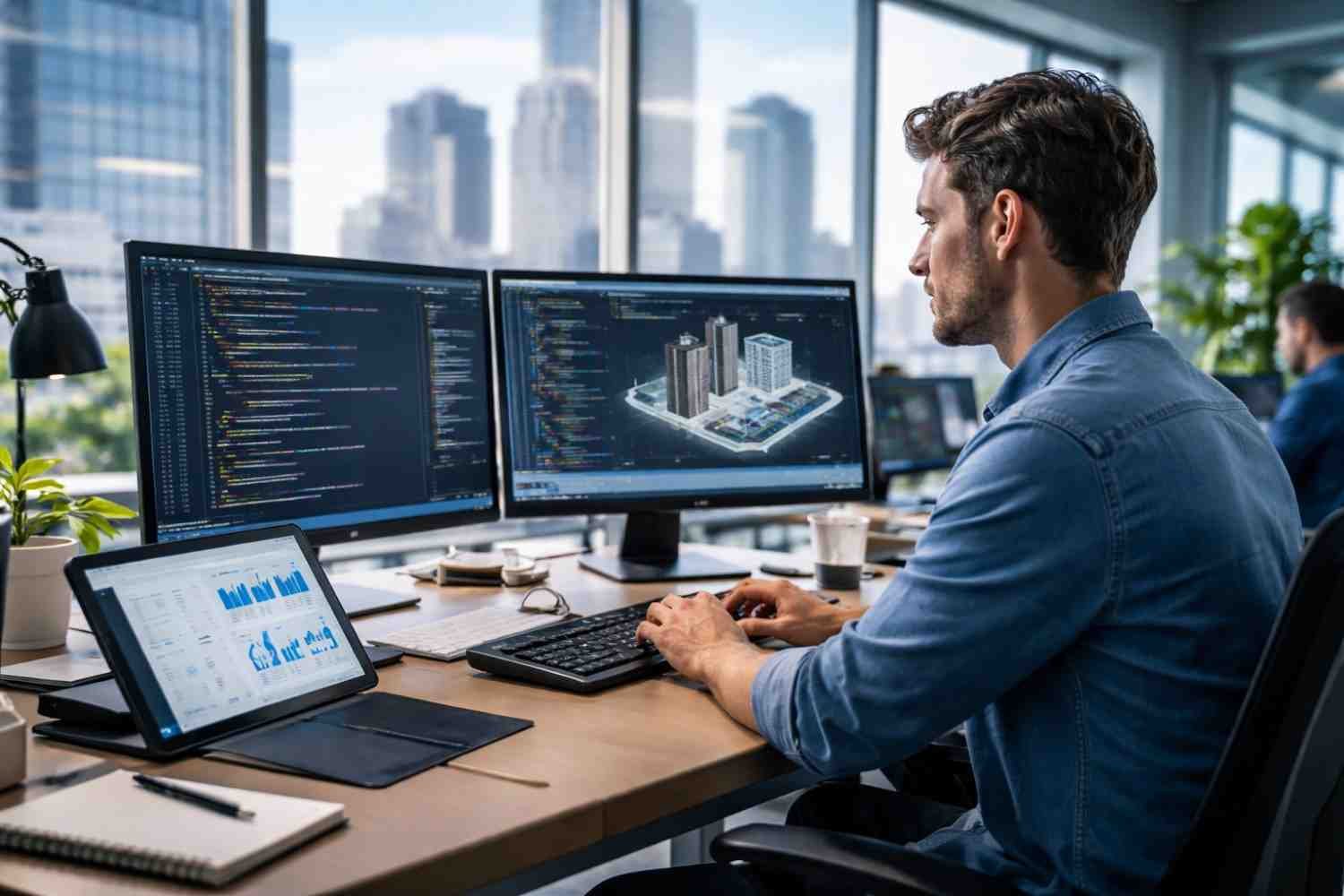
A few years ago, software felt like something you used. You opened an app, completed a task, and moved on. It stayed in the background, almost invisible unless something broke.
That’s not how it feels anymore. Now, software sits right in the middle of your workflow, your decisions, and even your thinking process. It doesn’t just assistit shapes what you do next. And once you notice that shift, it’s hard to unsee it.
The Shift From Doing Work to Orchestrating It
Work doesn’t look the same anymore. Not because jobs disappeared, but because the nature of effort changed.
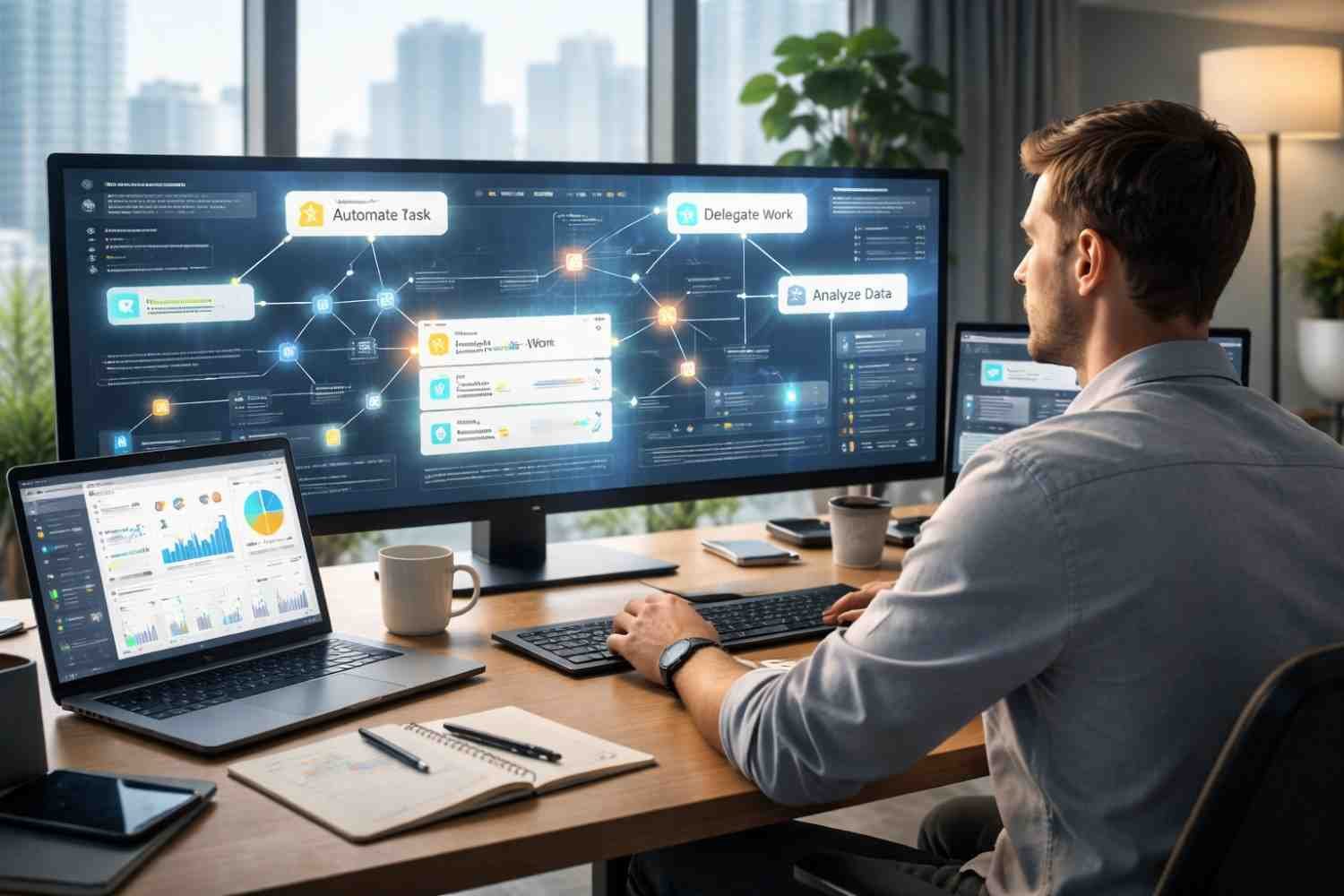
You’re no longer expected to do everything manually. Instead, your role is slowly turning into someone who directs systems.
Developers, for example, aren’t just writing code line by line. They’re defining outcomes, reviewing outputs, and guiding intelligent tools. The same thing is happening across marketing, operations, and even finance. The real skill now isn’t execution, it’s clarity.
What’s Actually Changing at Work
- Tasks are being automated, but decisions aren’t
- People are managing tools instead of doing repetitive work
- Small teams are producing results that once needed entire departments
There’s also a noticeable rise in agentic workflows, where software doesn’t just assist but acts independently. Systems can now handle multi-step processes like onboarding or operations without constant supervision.
And when you start layering these systems together, especially with multi agent systems, the structure of work becomes less about individual effort and more about coordinated intelligence.
That’s where things get interesting.
Productivity Isn’t Just Faster, It’s Different
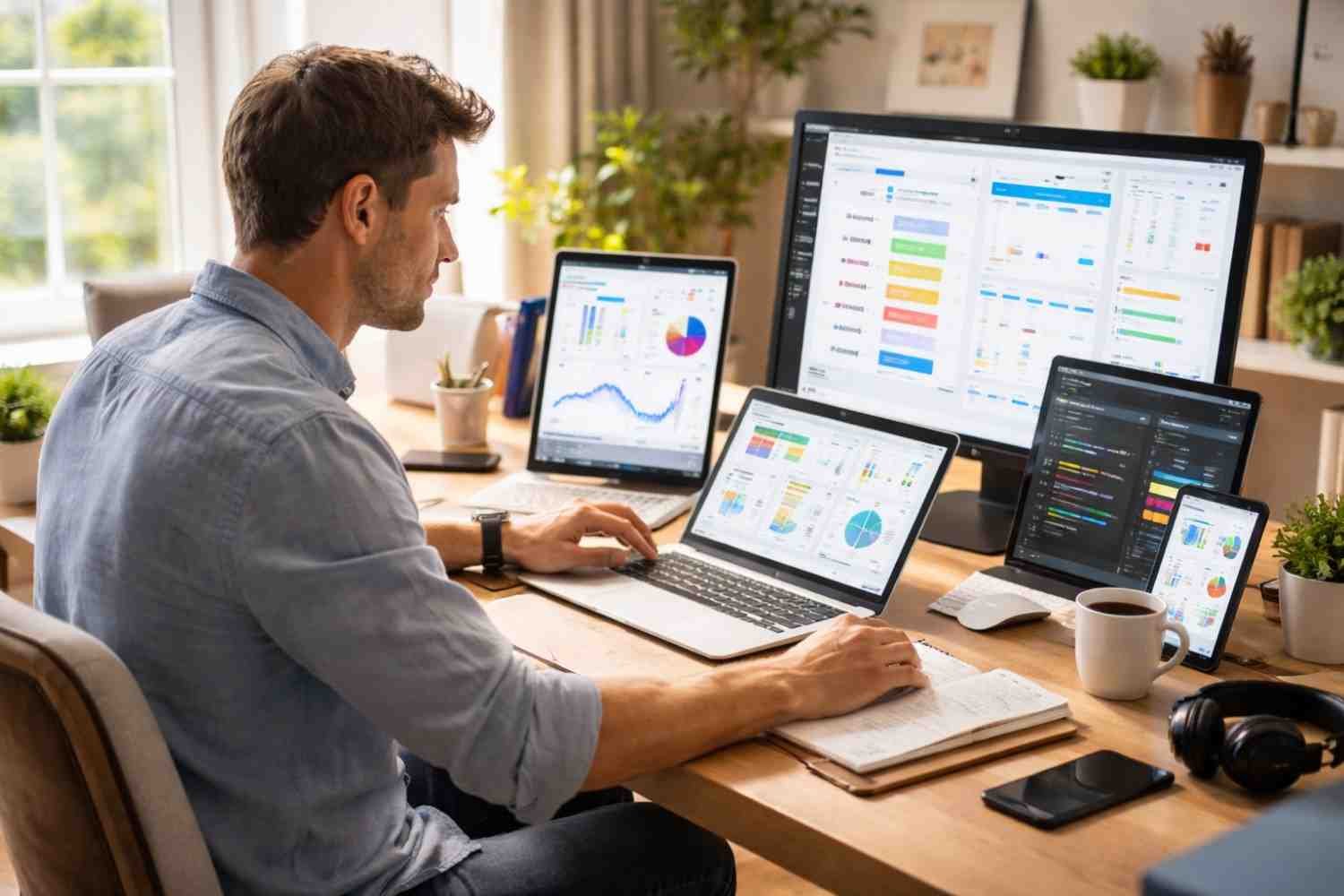
There’s a lot of talk about productivity gains, and yes, software has made things faster. But speed isn’t the biggest change.
The real shift is in leverage.
One person can now do what used to take ten. Not because they’re working harder, but because they’re working differently. Tools can generate drafts, analyze data, and even suggest decisions. That frees up time, but it also raises a new question:
What do you do with that extra capacity?
For some, it means deeper thinking. For others, it turns into more tasks, more inputs, more noise.
And that leads directly into the next shift.
How Software Is Reshaping the Way We Think
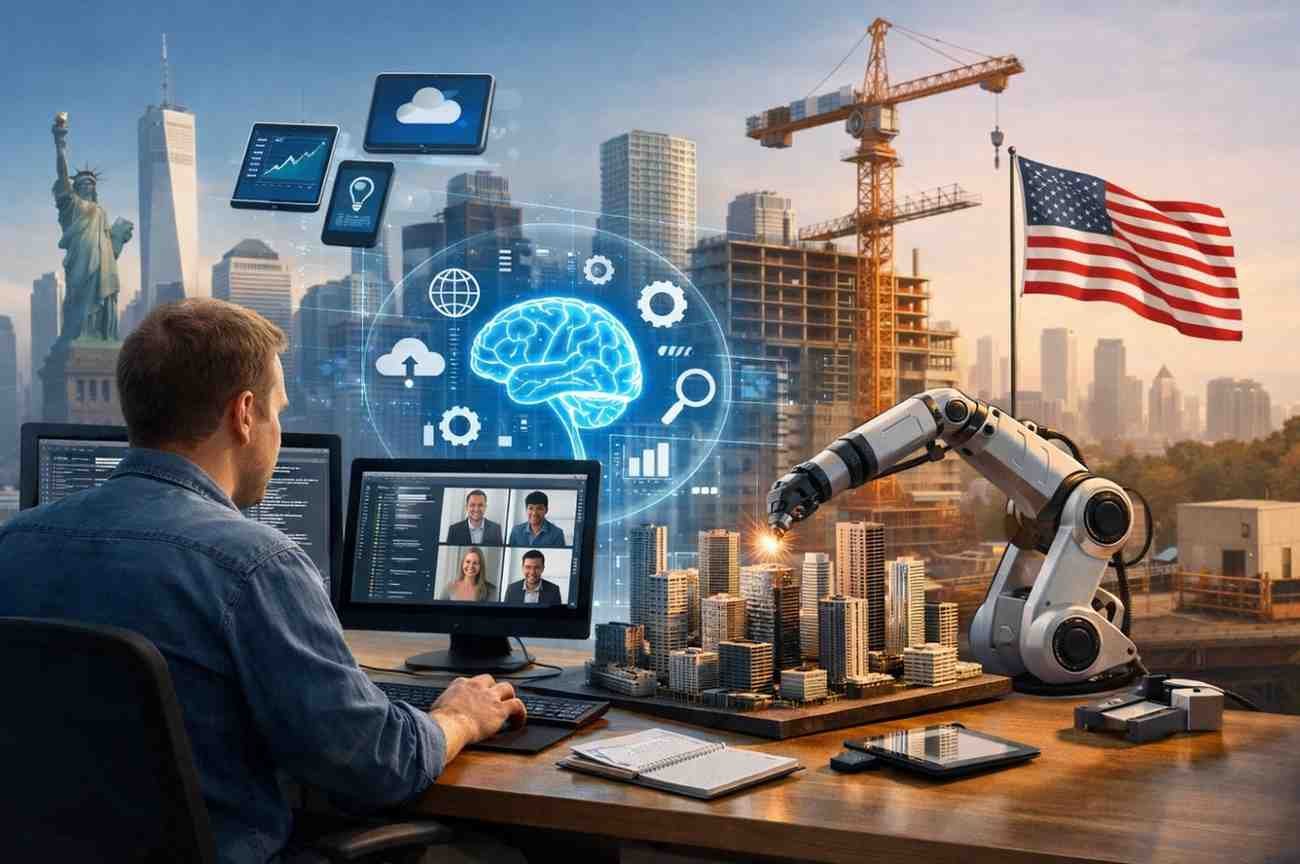
It’s subtle, but it’s happening.
You don’t memorize things the same way anymore. You don’t solve problems from scratch every time. Instead, you reach for tools.
That’s called cognitive offloading, and it’s becoming the default.
Software now handles:
- Memory (notes, reminders, search)
- Initial problem-solving (AI suggestions, automation)
- Pattern recognition (data insights, analytics tools)
This isn’t necessarily bad. In fact, it creates space for higher-level thinking. But there’s a trade-off.
The Hidden Trade-Offs
When software takes over routine thinking:
- You rely less on long-term memory
- You switch context more frequently
- Your attention becomes fragmented
You’ve probably felt it jumping between tabs, tools, and notifications. It feels productive, but it often isn’t deep.
At the same time, there’s a positive side.
Tools today can act like a second brain. They challenge your thinking, suggest alternatives, and help you see blind spots. When used well, they don’t replace thinking; they expand it.
Judgment Is Becoming the Most Valuable Skill
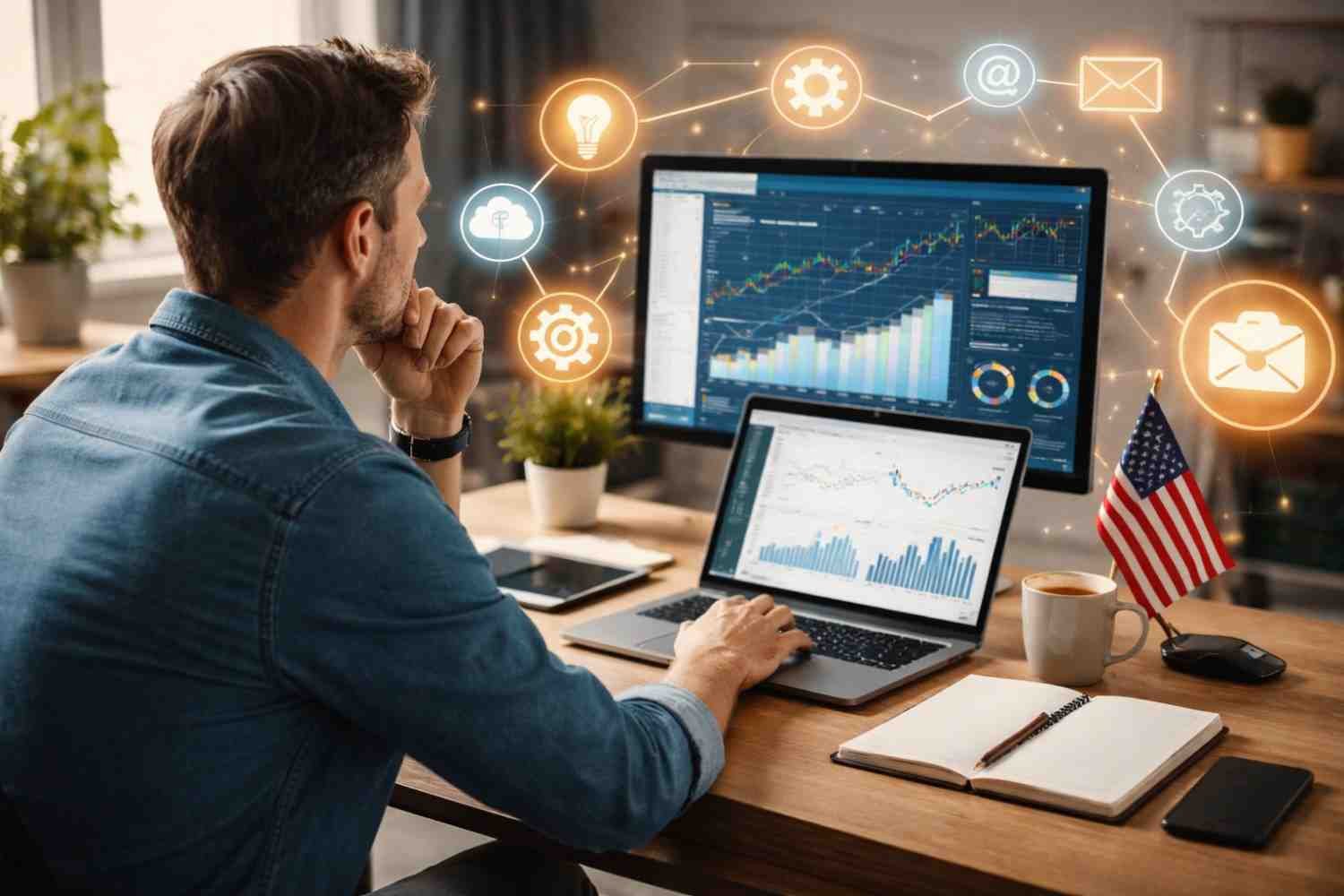
As software handles the “how,” your role shifts toward the “why.”
You’re no longer just solving problems; you’re deciding which problems matter.
That requires:
- Context
- Ethics
- Strategic thinking
Because software can generate answers, but it doesn’t always understand consequences.
And that’s where human input becomes more critical, not less.
How Software Is Changing the Way We Build
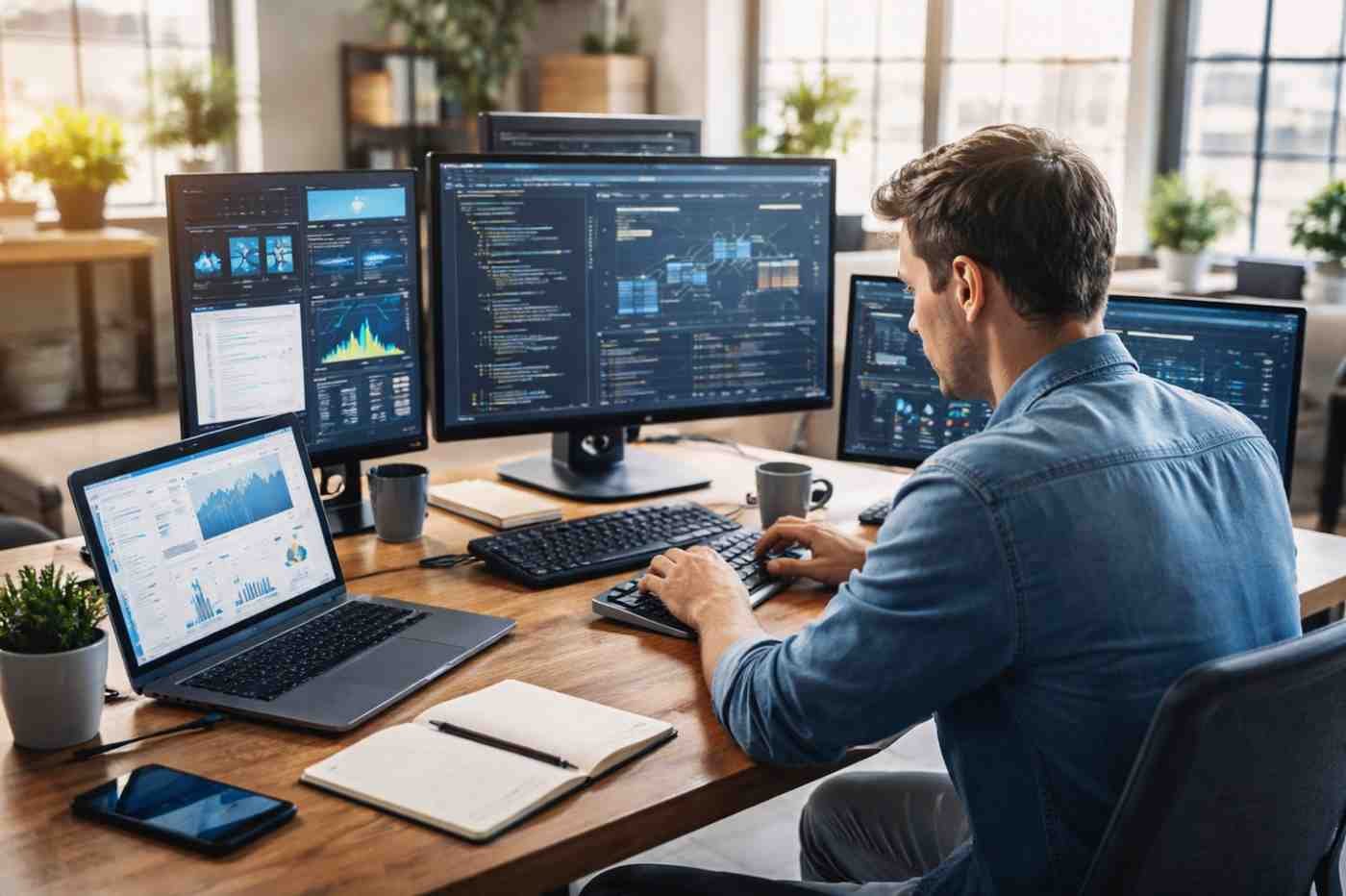
This shift isn’t limited to digital work. It’s now deeply connected to the physical world.
In industries like manufacturing, architecture, and product design, software is no longer just a planning tool; it’s part of the creation process itself.
From Idea to Reality: Faster Than Ever
Instead of building first and testing later, teams now simulate everything digitally.
Digital twins, virtual replicas of products or systems, allow teams to test thousands of scenarios before anything is physically created. That reduces risk, cost, and time.
Then comes generative design.
Instead of manually exploring options, software can generate millions of design possibilities in seconds, optimizing for performance, cost, and sustainability.
The result?
Better decisions made earlier in the process.
Sustainability Is Now Built Into the Process
One of the most underrated shifts is how early sustainability is now considered.
Software can calculate:
- Material impact
- Energy usage
- Carbon footprint
…before anything is built.
That means decisions around sustainability are no longer reactive. They’re embedded into the design phase itself.
And that’s a major change from how things used to work.
Frequently Asked Questions: How Software Is Changing the Way We Work, Think, and Build
1. What does it mean that software is becoming a “partner”?
It means software is no longer just executing commands. It can now suggest, generate, and even act independently, making it part of the decision-making process.
2. How is software changing jobs today?
Jobs are shifting from execution-heavy roles to decision-making and system management roles. People now guide tools rather than do everything manually.
3. Is relying on software affecting our thinking ability?
It can. While it improves efficiency, over-reliance may reduce memory retention and deep focus if not balanced properly.
4. What industries are most affected by software changes?
Technology, manufacturing, architecture, healthcare, and finance are seeing the biggest shifts, especially with automation and AI integration.
A Final Reflection
The biggest misconception is that software is just making things easier. It’s not that simple. It’s changing the structure of effort itself.
Work is becoming less about doing and more about directing. Thinking is shifting from solving to evaluating. Building is moving from trial-and-error to simulation-first.
And somewhere in between all of that, there’s a new skill emerging, knowing when to rely on software and when to step in yourself.
That balance is what will define how effectively you adapt.
Wrapping Note
Software isn’t replacing human capability; it’s reshaping it. The real advantage now lies in how you choose to work with it.